
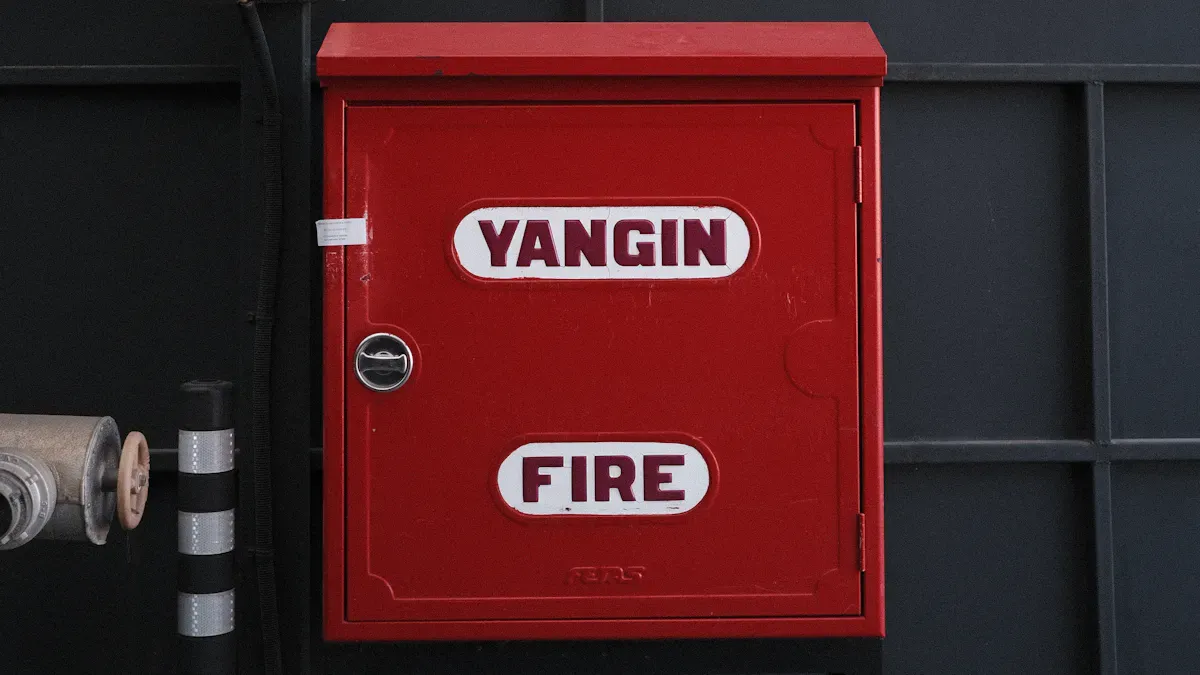
You face real risks when you store flammable materials without proper protection. Fires in facilities like CubeSmart and Safeguard Self Storage have destroyed property and endangered lives. Flame resistant cabinets create a strong barrier that stops fire from spreading. You reduce hazards and improve safety for everyone in your facility. This safety guide gives you the facts you need to follow The Complete Guide to Flame Resistant Cabinets: Safety Standards and keep flammable materials secure.
The Complete Guide to Flame Resistant Cabinets: Safety Standards and Compliance
OSHA Regulations for Flammable Cabinet Safety
You must follow strict rules from the Occupational Safety and Health Administration to keep your facility safe. OSHA sets clear flammable storage cabinet requirements for storing flammable liquids. You need to use cabinets that meet these standards to protect your staff and property. The complete guide to flame resistant cabinets: safety standards helps you understand these rules.
| Requirement | Description |
|---|---|
| Maximum Storage Capacity | Not more than 120 gallons of Class I, II, and IIIA liquids in a cabinet (NFPA 30 Code 9.5.3). |
| Clear Labeling | Cabinets must display a warning: ‘FLAMMABLE – KEEP FIRE AWAY’. |
| Door Styles | Cabinets can have manual-close or self-closing doors; local codes may require self-closing. |
| Double-Walled Steel | Minimum 18-gauge steel with a 1.5-inch air space for insulation. |
| Leak-Proof Sump | A 2-inch deep sump to contain leaks from containers. |
| Self-Latching Doors | Doors must have a three-point latching system for sealing during a fire. |
You must use lab flammable cabinet designs that follow these requirements. You protect your team from fire hazards and ensure compliance with safety regulations. If you ignore these rules, you risk fines and shutdowns.
Tip: Always check your local fire codes. Some areas require self-closing doors for extra fire protection.
OSHA penalties for non-compliance can hurt your business. You face regulatory fines and enforcement actions. If violations cause injuries or hazardous releases, penalties increase. You may need to shut down operations for cleanup, which leads to costly downtime.
- Regulatory fines and enforcement actions are imposed for violations.
- Penalties increase if violations result in injuries or hazardous releases.
- Operational disruptions occur due to necessary shutdowns and cleanup efforts, leading to costly downtime.
Serious violations can bring fines over $16,000 per instance. Willful or repeated violations can lead to fines exceeding $165,000 per instance. These financial penalties compound the challenges of downtime and lost revenue.
| Impact Type | Description |
|---|---|
| Operational Shutdown | Necessary to resolve safety concerns and conduct investigations, leading to idle production lines or entire facilities for days or weeks. |
| Production Delays | Extended downtime disrupts production schedules and delays customer commitments, negatively affecting revenue. |
| Financial Strain | Hefty fines and hidden costs from safety incidents add to the financial burden on businesses already facing operational challenges. |
You must follow OSHA compliance rules to avoid these risks. The complete guide to flame resistant cabinets: safety standards gives you the tools to maintain flammable cabinet safety.
NFPA Standards for Fire and Flammable Cabinet Safety
The National Fire Protection Association sets important standards for fire-resistant safety cabinets. You must use lab flammable cabinet models that meet these requirements. The complete guide to flame resistant cabinets: safety standards explains how to choose cabinets that protect against fire and ensure chemical storage safety.
| Requirement | Description |
|---|---|
| Maximum total storage capacity | 120 gallons (455 L) |
| Minimum steel thickness | 18 gauge (0.048″) |
| Construction | Double wall with 1 1/2″ (38 mm) airspace |
| Joints | All joints welded, riveted, brazed, or equal |
| Locking mechanism | 3-point, non-sparking locking mechanism |
| Spill sump | 2″ leak-tight spill sump of at least 2″ deep (51 mm) |
| Vents | 2 – 2″ vents with flame arrester baffle and plugs |
| Grounding | Grounding wire connection on the lower outside |
| Self-closing doors | Require a fusible link (212 degrees F) |
| Markings | MFG name, address, model #, maximum capacity |
| Labeling | “Flammables-Keep Fire Away” label with 2″ letters |
| Load testing | 72 hours at maximum capacity |
| Fire exposure test | 10 minutes at 1300 degrees F |
| Shelf capacity | Rating of at least 350 lbs. |
You must use cabinets that pass fire exposure tests and load testing. These standards help you achieve effective fire protection and containment. You keep flammable liquids secure and prevent fire from spreading. The complete guide to flame resistant cabinets: safety standards helps you select cabinets that meet all flammable storage cabinet requirements.
Note: Always check for proper labeling and grounding. These features improve fire safety measures and chemical storage safety.
Uniform Fire Code (UFC) and Facility Compliance
You must follow the Uniform Fire Code to keep your facility safe. The UFC sets flammable storage cabinet requirements for commercial and industrial settings. The complete guide to flame resistant cabinets: safety standards shows you how to meet these rules.
- Cabinets must be labeled in red letters on a contrasting background stating ‘FLAMMABLE – KEEP FIRE AWAY‘.
- The maximum quantity of Class I or Class II flammable liquids in a cabinet is 60 gallons, with a total limit of 120 gallons for all liquids.
- Cabinets can be made of wood or metal, with specific construction requirements:
- Metal cabinets must be at least 0.043 inches thick and double-walled with a 1½ inch air space.
- Joints must be riveted or welded and tight-fitting.
- Doors should be self-closing and equipped with a latching device.
- The cabinet base must be liquid-tight to a height of at least two inches.
You must use lab flammable cabinet designs that follow these rules. You protect your facility from fire hazards and ensure compliance. The complete guide to flame resistant cabinets: safety standards helps you understand fire containment and chemical storage requirements.
Alert: Always check the UFC for updates. New rules may change how you store flammable liquids and maintain flammable cabinet safety.
You must use cabinets that meet all flammable storage cabinet requirements. You improve protection for your staff and property. You reduce risks from flammable liquids and ensure your facility follows fire codes.
Key Compliance Requirements for Flammable Cabinet Safety
You need to follow strict requirements to keep your facility safe from fire and protect everyone inside. Industry experts agree that you must meet several pillars of compliance to reduce risks from flammable materials. These pillars help you prevent accidents and ensure your facility meets all safety standards.
| Compliance Pillar | Key Requirement | Governing Standard (Example) |
|---|---|---|
| Cabinet Construction | Must be double-walled steel with a leak-proof sump | NFPA 30 / EN 14470-1 |
| Placement & Siting | Should be at least 1 meter away from ignition sources | Local fire codes |
| Storage Capacity | Must adhere to Maximum Allowable Quantities (MAQs) | NFPA 30 / Local Decrees |
| Labelling & Signage | Clearly marked with hazard warnings | GHS / CLP Regulations |
You must use cabinets made from steel or other fire-resistant materials. These cabinets stop fire from spreading and give you extra protection. You also need to label each flammable cabinet with clear warnings like “Flammable – Keep Fire Away.” This helps everyone recognize the danger and stay safe.
You cannot store more than 120 gallons of flammable liquids in one cabinet. If you exceed this limit, you risk breaking safety rules and losing protection. You must place cabinets at least one meter away from anything that could start a fire. This includes heaters, electrical outlets, and open flames. You improve safety by keeping flammable materials away from ignition sources.
Tip: Always check your local fire codes. Some areas have stricter rules for cabinet placement and storage limits.
You must follow these requirements to keep your facility safe. If you ignore them, you face serious consequences. In 2019, an explosion at a Texas plant caused massive fires and health risks. The company paid over $500,000 in fines because they failed to inspect critical components and did not follow emergency shutdown procedures. You can avoid these problems by following all compliance rules.
If you do not meet key requirements, you risk catastrophic explosions, injuries, or even wrongful death lawsuits. You may lose equipment and face long-term business disruption. Insurance costs can soar, and you might lose coverage. Legal penalties and damage to public trust can hurt your business for years.
You must inspect cabinets regularly and keep records of all safety checks. You need to train your staff to handle flammable materials safely. You also must update your procedures when new standards appear. You protect your facility, your staff, and your reputation by following these compliance requirements.
- Key steps for compliance:
- Use double-walled steel cabinets with leak-proof sumps.
- Place cabinets away from ignition sources.
- Do not exceed storage limits for flammable liquids.
- Label cabinets with clear hazard warnings.
- Inspect and maintain cabinets often.
- Train staff in fire safety and emergency procedures.
You improve fire protection and reduce risks when you follow these steps. You keep your facility safe and meet all standards for flammable cabinet safety.
Construction Features and Fire Resistance Ratings for Flammable Cabinets
Materials and Double-Wall Construction for Fire Safety
You need to choose the right materials to maximize safety and fire protection in your facility. Many flammable cabinets use materials that slow or stop fire. Common options include:
- Plywood with fire-retardant treatment slows down combustion.
- Class A rated MDF or particleboard offers a cost-effective and safe choice.
- Metal cabinetry, such as stainless steel or aluminum, resists fire and works well in industrial settings.
- Fire-rated laminate finishes add extra resistance and keep cabinets looking good.
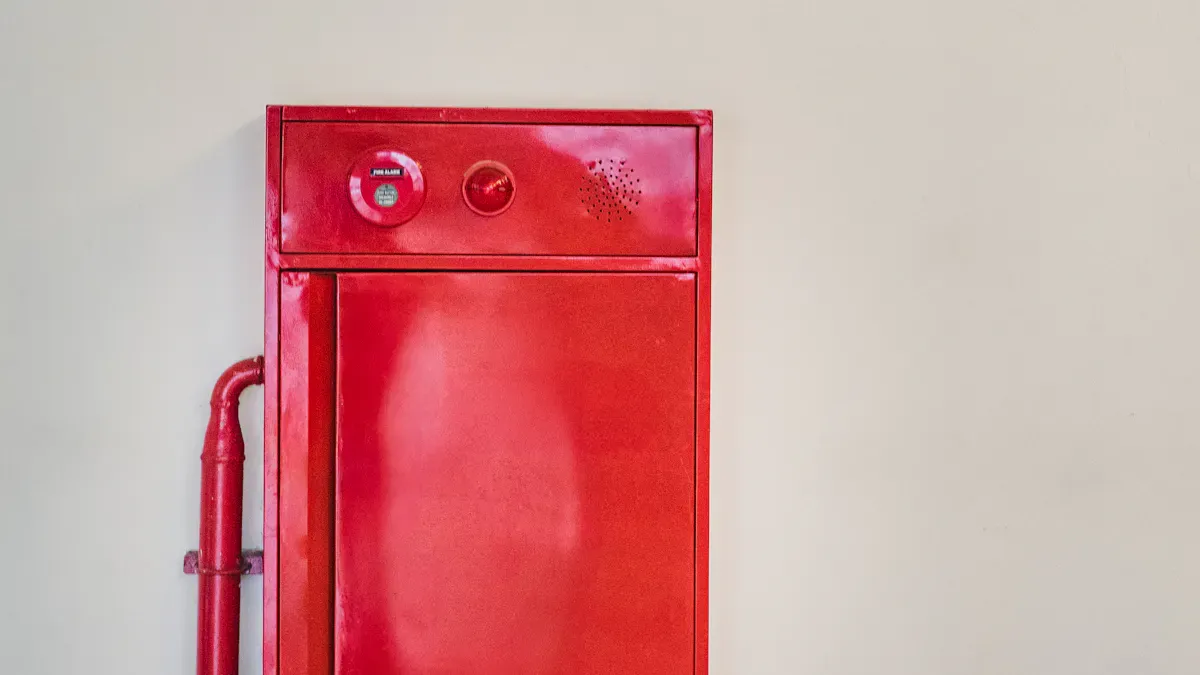
Double-wall construction is a key feature for safety. The double-walled steel design insulates the contents. The air gap between the walls acts as a thermal barrier. This slows heat transfer and keeps the inside temperature below the autoignition point of flammable chemicals for at least ten minutes. You get more time for emergency response and better protection for your staff.
Tip: Always check that your flammable cabinet has a double-wall design and uses fire-resistant materials for the best protection.
Fire Resistance Ratings and Testing Standards
You must understand fire resistance ratings to ensure compliance and safety. These ratings show how long a cabinet can protect its contents during a fire. The most common ratings are:
| Rating Type | Fire Resistance Time |
|---|---|
| Type 30 | 30 minutes |
| Type 60 | 60 minutes |
| Type 90 | 90 minutes |
Manufacturers test cabinets by exposing them to high temperatures, often up to 1300 degrees Fahrenheit for ten minutes. Cabinets must also pass load tests and have features like double-wall construction, 18-gauge steel, and leak-proof sumps. These standards help you choose cabinets that offer strong fire protection and meet all safety requirements.
Design Features That Enhance Flammable Cabinet Safety
You improve safety by selecting cabinets with advanced design features. Look for:
- Clear labeling with warnings like “FLAMMABLE – KEEP FIRE AWAY” to alert everyone.
- Self-closing doors that seal the cabinet if fire breaks out.
- Leak-proof sumps that capture spills and prevent floor contamination.
- Self-latching doors with a three-point system to keep the cabinet sealed.
- Grounding wires to prevent static buildup.
- Organized storage and separate compartments to avoid mixing dangerous chemicals.
These features help contain fire, reduce the risk of accidents, and make emergency response easier. You protect your facility, your staff, and your property by choosing cabinets that meet these safety standards.
Selecting the Right Flammable Cabinet for Facility Safety
Assessing Facility Hazards and Storage Needs
You need to start by looking at the types of flammable materials in your facility. Check how much you store and where you keep them. Think about the risks from spills, leaks, or fire. You should also look at your work area for possible ignition sources. To make sure you meet safety and compliance standards, follow these steps:
- Review the design and build quality of each flammable cabinet. Make sure it meets NFPA 30 standards with double-walled steel and strong latches.
- Check if your local rules require venting. Some cabinets need special vents for extra fire protection.
- Secure cabinets with seismic brackets if your area has earthquakes or strong storms.
- Ground your cabinets to lower the risk of static electricity, especially when you pour or transfer flammable liquids.
Tip: Always match your cabinet choice to the hazards and storage needs in your facility for the best fire protection.
Choosing Cabinet Size, Capacity, and Door Style
You must pick the right size and door style for your flammable cabinet. The size depends on the types and amounts of flammable liquids you store. Cabinets come in many sizes, from small units for a few cans to large ones for drums. Door styles also matter for safety and access.
| Cabinet Size (gallons) | Container Type | Door Style Options |
|---|---|---|
| 2 to 120 | Aerosol cans, paint cans, gas cans, drums | Floor, countertop, under-counter, wall-mount, manual, self-closing, sliding |
| 45 | 5-gallon containers (9 total) | Adjustable shelves available |
Some cabinets have one or two doors. You can choose manual, self-closing, or sliding doors. Many states require self-closing doors for extra fire safety. Pick a cabinet that fits your space and makes it easy to use while keeping flammable materials secure.
Material, Finish, and Corrosion Resistance for Fire Safety
The material and finish of your cabinet affect both fire safety and how well it stands up to chemicals. Most cabinets use 18-gauge steel for strong fire resistance. Some use galvanized steel for even better corrosion protection. You may also find high-strength polypropylene or wood cabinets for special needs.
| Material Type | Corrosion Resistance | Fire Safety Performance |
|---|---|---|
| 1.2mm Steel | High | Good |
| Galvanized Steel | Very High | Good |
| High-strength Polypropylene | High | Moderate |
| Wooden Cabinets | Moderate | Excellent |
Choose a cabinet with a tough finish, like yellow paint, for visibility and extra protection. Secure locking mechanisms help prevent unauthorized access and keep your facility safe. Always select materials that match your chemicals and fire risks for the best long-term safety.
Placement, Installation, and Grounding for Flammable Cabinet Safety
Proper Placement to Maximize Fire Safety
You must place flammable cabinets in the right spots to protect your facility. Good placement helps you meet safety requirements and lowers the risk of fire. Follow these tips to maximize fire safety:
- Keep cabinets at least 3 meters from ignition sources like welding areas, electrical panels, and open flames.
- Do not block escape routes. Never put cabinets in hallways or near doors.
- Avoid placing cabinets under stairways or close to electrical outlets.
- Make sure cabinets do not block emergency exits.
- Use grounding connections to prevent static electricity from causing a fire.
- Keep vents sealed unless you have a proper ventilation system.
A fire in Belgium’s chemical industry caused over €12.5 million in losses because of poor cabinet placement. This event led to stricter safety standards and more inspections. You can avoid these problems by following the right requirements.
Installation Best Practices for Flammable Cabinets
You need to follow the best installation practices to meet compliance and safety standards. The table below shows key steps:
| Installation Procedure | Description |
|---|---|
| Proper Placement | Place cabinets away from heat sources and in well-ventilated areas. |
| Grounding | Ground cabinets to prevent static electricity buildup. |
| Ventilation | Ensure good airflow to stop flammable vapors from building up. |
| Regular Inspections | Check cabinets often for damage or leaks to keep fire safety high. |
You should always follow OSHA and NFPA 30 requirements for flammable liquids storage. These rules help you keep your facility safe and meet all compliance needs.
Grounding Requirements to Prevent Fire Hazards
Grounding is a key step for flammable cabinet safety. It gives static charges a safe path to the ground. This lowers the risk of fire from static sparks. Most cabinets have a grounding screw or lug. You must connect this to a verified building earth, especially when you handle or pour flammable liquids.
You should also ground the containers inside the cabinet. This practice reduces the chance of static electricity starting a fire. Always ground cabinets that store flammable liquids with a flashpoint below 100 degrees Fahrenheit. Use the exterior grounding lugs to meet safety requirements and protect your facility.
Routine Inspection, Maintenance, and Labeling for Ongoing Safety

Inspection Schedules and Safety Checklists
You need to set up a routine inspection schedule for your flammable cabinets. Inspections help you catch problems early and keep your facility safe. You may inspect cabinets monthly, quarterly, or annually. The right schedule depends on your workplace needs and local rules. Regular flammable cabinet inspection keeps your fire protection strong and helps you meet compliance.
A flammable cabinet inspection checklist guides you through each step. You can use a table to organize your safety checks:
| Inspection Category | Checklist Items |
|---|---|
| Retention Requirements | Retention requirements met? Training documentation current? Certifications/licenses valid? |
| Physical Inspection | Equipment in good condition? Safety devices functional? Labeling and signage correct? Housekeeping adequate? Access and egress clear? Required PPE available? |
| Compliance Verification | Regulatory requirements met? Permits and approvals current? Procedures being followed? Monitoring systems adequate? Corrective action process effective? |
| Hazard Assessment | Hazards identified and documented? Control measures effective? Any new hazards identified? Recent incidents reviewed? |
| Findings and Corrective Actions | All findings documented? Priority levels assigned? Root cause analysis needed? Corrective actions assigned? Follow-up verification scheduled? Overall Status Summary Notes |
You improve safety by following this checklist. You make sure your cabinets meet fire rating standards and keep flammable materials secure.
Maintenance Procedures to Ensure Fire Protection
You must keep your cabinets in top condition to protect against fire. Maintenance includes checking for rust, dents, or leaks. You clean spills right away and replace damaged parts. You test safety devices like self-closing doors and latches. You check the fire rating labels and make sure vents and grounding wires work. You keep flammable cabinets organized and free from clutter.
You also review your maintenance records. You update them after each inspection. This helps you track safety issues and plan repairs. You keep your facility ready for emergencies and improve fire protection.
Tip: Schedule maintenance after every flammable cabinet inspection. This keeps your fire safety strong and prevents accidents.
Labeling and Documentation for Flammable Cabinet Compliance
You must label each flammable cabinet clearly. The word “FLAMMABLE” needs to be at least two inches high. The phrase “KEEP FIRE AWAY” should be one inch high. Proper chemical labeling prevents mistakes and keeps your storage safe. You check labels during every inspection.
You also keep records for compliance. You verify that all procedures are current and approved. You make sure your records are complete. You check retention requirements and update training documentation. Regular inspections help you meet OSHA and NFPA rules. You show that your cabinets meet fire rating standards and follow safety laws.
Note: Good labeling and documentation make your facility safer and help you pass audits.
You can improve safety and fire protection in your facility by following these steps for fire cabinets. First, learn all regulations for flammable cabinets. Next, set up regular inspections and check door seals, latches, and ventilation. Always inspect the inside of cabinets and confirm grounding connections. Keep inspection records and train your team on fire safety. Schedule fire system checks and review escape routes. You should always update your fire cabinets management plan. Continuous improvement keeps your cabinets, staff, and property safe and ensures compliance.
FAQ
What is the main purpose of a flame resistant cabinet?
You use a flame resistant cabinet to store flammable liquids safely. It keeps fire from spreading and protects people and property. You meet safety codes and reduce risks in your facility.
How often should you inspect your flammable cabinets?
You should inspect your cabinets at least once a month. Regular checks help you find damage, leaks, or missing labels.
Tip: Use a checklist to make inspections easier and more effective.
Do you need to ground every flammable cabinet?
You must ground cabinets if you store or transfer flammable liquids with a flashpoint below 100°F. Grounding prevents static sparks.
| Cabinet Use | Grounding Needed? |
|---|---|
| Storage only | Recommended |
| Pouring/Transferring | Required |
Can you store acids or corrosives in a flame resistant cabinet?
You should not store acids or corrosives in standard flammable cabinets. These chemicals can damage the cabinet and cause leaks.
- Use a cabinet made for corrosives.
- Check the manufacturer’s guidelines.


