

You need to protect your lab and everyone inside by making smart choices for fire containment. Start by identifying the chemical you want to store. Review the MSDS for each item and separate incompatible chemicals. Selecting the Ideal Fire Cabinet for Chemicals: Classification Guide by Chemical Type helps you match the right cabinet to each hazard. Pay attention to safety rules:
- OSHA 1910.106 covers flammable chemicals.
- NFPA 30 sets cabinet design and capacity limits.
- Uniform Fire Code requires self-closing doors.
- NFPA 30 limits flammable liquids to 120 gallons per cabinet.
Choosing the correct cabinet supports safety and meets regulations.
Why Proper Fire Cabinet Selection Matters for Chemicals and Safety
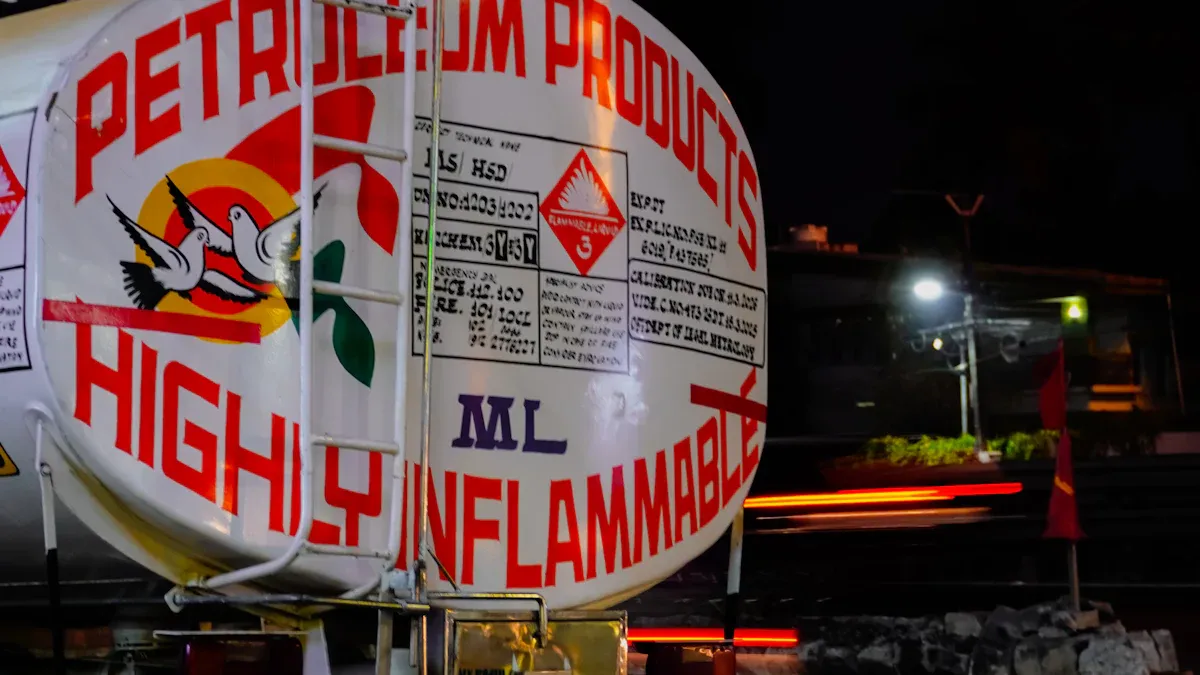
Risks of Improper Chemical Storage
You face serious risks when you do not use the right safety cabinet for chemical storage. Commercial fires cause billions in damage every year. When flammable liquids ignite, the results can be catastrophic. The National Fire Protection Association reports that industrial fires spread quickly, sometimes destroying entire facilities within minutes. If you store hazardous materials incorrectly, you increase the chance of fire and toxic vapor release. This puts everyone in your facility at risk.
Improper chemical storage can also lead to many other problems:
| Consequence | Description |
|---|---|
| Fines | Non-compliance with OSHA or NFPA standards may result in hefty fines that strain your budget. |
| Increased fire risk | Improper storage of flammable liquids increases the likelihood of fires, endangering employees. |
| Operational disruptions | Regulatory violations could force businesses to halt operations until safety issues are resolved. |
| Legal liabilities | Non-compliant storage practices may lead to lawsuits, compounding financial and reputational damage. |
| Insurance issues | Insurance providers may deny claims if cabinets fail to meet safety standards, leaving businesses liable for damages. |
You may also face worker compensation claims, insurance premium increases, lost business during rebuilding, and even criminal liability for safety violations. These risks show why chemical storage safety must be your top priority.
Importance of Matching Cabinet to Chemical Hazard
You need to match each safety cabinet to the specific hazard of the chemical you store. Every chemical has unique hazards. Some chemicals are flammable, while others are corrosive or toxic. If you use the wrong cabinet, you may create new hazards or make existing ones worse.
Proper safety cabinet selection helps you control hazards and meet all regulations. For example, you must use red explosion-proof cabinets for chemicals with a flash point below 45 °C, such as gasoline. These cabinets have special features like explosion-proof lighting and electrical components. For chemicals with a flash point above 45 °C, such as diesel, you should use yellow flammable liquid safety cabinets with optimized ventilation. A petrochemical company reduced cross-reaction incidents by storing over 200 chemicals in different cabinets based on compatibility.
Tip: Always check local, state, and federal regulations before choosing a cabinet. This ensures compliance and keeps your facility safe.
When you follow proper chemical storage practices, you protect people, property, and the environment. You also avoid fines, legal trouble, and business interruptions. Matching the right cabinet to each hazard is the foundation of chemical storage safety and compliance.
Step 1: Identify Your Chemical Types for Lab Safety Cabinets
Common Chemical Categories
You need to know what types of chemicals you have before you choose lab safety cabinets. Each chemical belongs to a specific category. These categories help you decide which lab safety cabinets fit your needs. Take a look at the most common chemical types found in laboratory environments:
| Chemical Type | Examples |
|---|---|
| Flammables | Ethanol, Acetone |
| Acids | Sulfuric Acid, Nitric Acid |
| Bases | Sodium Hydroxide |
| Oxidizers | Various oxidizing agents |
You can use this table to match your chemicals to the right lab safety cabinets. Flammables need special protection. Acids and bases require separate storage. Oxidizers must stay away from organic materials. You keep your lab safe when you understand these categories.
How to Categorize Your Inventory
You must organize your inventory to select the correct lab safety cabinets. Start by grouping chemicals based on their hazard type. Follow these steps to categorize your inventory:
- Store flammable liquids exceeding 10 gallons in designated flammable storage lab safety cabinets.
- Keep acids and bases in separate lab safety cabinets to prevent dangerous reactions.
- Place oxidizers in lab safety cabinets away from organic materials.
You can also use helpful tools and habits to manage your inventory:
- Use a barcode system to track chemicals in lab safety cabinets.
- Return all chemical containers to their original lab safety cabinets after use.
- Remove damaged, unlabeled, or expired containers from lab safety cabinets.
Tip: You improve safety and reduce risk when you keep your inventory organized and up-to-date.
You make smart choices for lab safety cabinets when you know your chemical types and follow these steps. This process protects your lab and helps you meet safety standards.
Step 2: Selecting the Ideal Fire Cabinet for Chemicals: Classification Guide by Chemical Type

Choosing the right cabinet protects you from hazards and keeps your lab safe. Selecting the ideal fire cabinet for chemicals: classification guide by chemical type helps you follow rules and avoid accidents. You must know the differences between each cabinet type to meet safety standards and flammable storage cabinet requirements.
Flammable Liquid Cabinets
You need to use special cabinets for flammable liquids. These cabinets protect you from fire and help you follow flammable storage cabinet requirements. Flammable liquids can catch fire easily, so you must store them in cabinets that meet strict rules.
Here are the main standards for flammable liquid cabinets:
| Regulation | Description |
|---|---|
| OSHA 1910.106 | Applies to flammable or combustible chemicals. |
| NFPA 30 | Covers design, construction, and capacity of storage cabinets for flammable liquids. |
| UFC 7902.5.9.3.2 | Requires all flammable and combustible liquid storage cabinets to be self-closing. |
You must check these rules before you buy a cabinet. Flammable storage cabinet requirements include:
- Store no more than 60 gallons of Category 1, 2, or 3 flammable liquids in one cabinet.
- Store no more than 120 gallons of Category 4 flammable liquids in one cabinet.
- Make sure the cabinet limits the inside temperature to 325 °F during a 10-minute fire test.
- Use cabinets made from at least No. 18 gage sheet iron with double walls and a 1½-inch air space.
- Choose wooden cabinets made from approved plywood at least 1 inch thick.
You must keep flammable liquids away from heat and sparks. Place cabinets away from smoking areas and electrical panels. Always close the doors after use. These steps help you meet flammable storage cabinet requirements and keep your lab safe.
Tip: Organize drums of flammable liquids with tightly closed lids. Clean up spills right away and keep a spill sump under the drums.
Selecting the ideal fire cabinet for chemicals: classification guide by chemical type means you protect your team and your property from fire.
Acid and Corrosive Cabinets
You must use acid and corrosive cabinets for acids and other corrosive chemicals. These cabinets keep you safe by stopping leaks and spills from damaging your lab. Acid and corrosive cabinets have special features to handle strong chemicals.
Here is what you should look for in acid and corrosive cabinets:
| Material/Feature | Description |
|---|---|
| Corrosion-resistant polyethylene | Lining that stands up to strong acids and stops rust or damage. |
| Non-metal shelves | Shelves coated or made from materials that do not break down if you spill something. |
| Color coding | Blue or white color to show the cabinet is for corrosives. |
Acid and corrosive cabinets must:
- Contain spills and stop contamination in your work area.
- Have chemical-resistant coatings to protect the inside and outside.
- Store acids and corrosive substances safely.
- Provide protection by keeping spills inside the cabinet.
You should always separate acids from bases and keep them in different acid and corrosive cabinets. This prevents dangerous reactions. You must also check that the cabinet has a leak-proof bottom. This keeps spills from spreading.
Note: Acid and corrosive cabinets often have warning labels. These labels help you and your coworkers know what is inside.
Selecting the ideal fire cabinet for chemicals: classification guide by chemical type helps you choose the right acid and corrosive cabinets for your needs. You lower the risk of injury and damage when you use the correct cabinet.
Pesticide Cabinets
You must use special cabinets for pesticides. These cabinets protect you, your coworkers, and the environment. Pesticides can be harmful, so you need cabinets that meet flammable storage cabinet requirements and safety rules.
Here are the main guidelines for pesticide cabinets:
| Requirement | Description |
|---|---|
| Storage Conditions | Store pesticides in well-ventilated buildings, away from flammable substances like bromine and ammonia. |
| Labeling Requirements | Labels must show the chemical name, active ingredients, and safety hazards in clear, large print. |
| Security Measures | Keep pesticides in locked cabinets to stop children or unauthorized people from getting in. |
| Compliance | Follow local, state, and federal rules, including the Pesticide Container and Containment Act. |
You must also:
- Use containers that resist extreme temperature changes.
- Make sure labels show the product name, EPA registration number, and hazard warnings.
- Lock cabinets and keep a log of who enters.
- Store pesticides away from food, feed, and water supplies.
Selecting the ideal fire cabinet for chemicals: classification guide by chemical type helps you pick the right cabinet for pesticides. You keep your workplace safe and follow all rules when you use the correct cabinet.
Callout: Always check with local agencies for extra rules about pesticide storage. Rules can change based on where you live.
You must understand the differences between flammable liquid cabinets, acid and corrosive cabinets, and pesticide cabinets. This knowledge helps you meet flammable storage cabinet requirements and keeps your lab safe. Selecting the ideal fire cabinet for chemicals: classification guide by chemical type gives you the tools to make smart choices for safety.
Toxic Substance Cabinets
You need to protect yourself and others from toxic chemicals. Toxic substance cabinets help you store dangerous items safely. These cabinets stop harmful vapors from escaping. You reduce the risk of exposure when you use the right cabinet.
Toxic substance cabinets have special features. You find tight seals on doors. You see strong locks that keep unauthorized people out. You notice warning labels that alert everyone to the danger inside. You must check that the cabinet resists corrosion and does not react with the chemicals you store.
You should follow these steps for safe storage:
- Place toxic chemicals in cabinets with secure locking systems.
- Keep cabinets away from food, water, and common work areas.
- Use clear labels to show the hazard level.
- Check the cabinet for leaks or damage every month.
Tip: Always wear gloves and eye protection when you handle toxic chemicals. You protect yourself from accidental contact.
You must never mix toxic chemicals with flammable liquids. You prevent dangerous reactions and keep your lab safe. You also meet safety rules and avoid fines.
Gas Cylinder Cabinets
You handle gas cylinders with care. Gas cylinder cabinets keep cylinders upright and secure. You prevent leaks and accidents when you use the right cabinet.
Gas cylinder cabinets have strong frames. You find chains or straps that hold cylinders in place. You see ventilation openings that let gases escape safely. You must choose cabinets made from fire-resistant materials.
Here is a table that shows what you should look for:
| Feature | Benefit |
|---|---|
| Fire-resistant | Protects against fire hazards |
| Ventilation | Reduces gas buildup |
| Secure restraints | Stops cylinders from falling |
| Locking doors | Limits access to authorized users |
You must store flammable gas cylinders away from heat sources. You keep cylinders in cabinets that meet fire safety standards. You check for leaks before placing cylinders in storage. You also label each cylinder with its contents.
Note: You must never store oxygen cylinders with flammable gases. You prevent explosions and keep your lab safe.
You protect your team and your facility when you use gas cylinder cabinets correctly.
General Purpose Cabinets
You use general purpose cabinets for chemicals that do not fit other categories. These cabinets help you organize your lab and keep items safe. You must check that the cabinet meets basic fire safety standards.
General purpose cabinets work well for non-flammable chemicals, cleaning supplies, and lab tools. You find adjustable shelves and sturdy doors. You see clear labels that show what is inside.
You should follow these guidelines:
- Store chemicals that do not react with each other.
- Keep cabinets clean and dry.
- Use labels to identify each item.
- Check the cabinet for damage every week.
Callout: You must never store flammable liquids in general purpose cabinets. You use special cabinets for flammable storage.
You improve lab safety and efficiency when you use general purpose cabinets for the right items. You keep your workspace organized and reduce the risk of accidents.
Step 3: Match Chemical Type to Cabinet Classification for Fire and Safety
Chemical Type and Cabinet Type Table
You need to match each chemical to the correct cabinet for fire safety. Start by grouping your chemicals by hazard class. Use Safety Data Sheets to help you identify each hazard. Estimate the storage volume for each group. Decide where to place cabinets so they do not block emergency exits. Choose cabinet size and features based on the volume and type of chemicals. Plan for proper use and labelling, inventory checks, and routine inspections.
Here is a table that helps you match chemical types to cabinet classifications:
| Chemical Type | Cabinet Classification | Storage Feature |
|---|---|---|
| Flammable liquids | Yellow flammable cabinet | Fire-resistant, self-closing |
| Combustible liquids | Red cabinet | Secure locking, spill control |
| Corrosive chemicals | Light blue cabinet | Polyethylene lining, leak-proof |
| Hazardous materials | Royal blue cabinet | Tight seals, strong locks |
| Pesticides | Green cabinet | Ventilated, locked |
| Waste materials | Gray/White cabinet | Outdoor, labeled for waste |
You improve safety when you use the right cabinet for each chemical. You reduce the risk of fire and accidents in your facility.
Color Codes and Labeling Standards
Color coding helps you identify cabinet contents quickly. Each color stands for a specific chemical type. You must follow labelling standards to prevent improper storage and reactions.
- Yellow: Flammable liquids
- Red: Combustible liquids
- Blue: Corrosives
- Green: Pesticides
- Gray/White: Waste materials
You see yellow cabinets for flammable storage. Red cabinets hold combustible liquids. Blue cabinets store corrosives. Green cabinets protect pesticides. Gray or white cabinets handle waste materials.
Tip: Always check that labels are clear and easy to read. Proper use and labelling keeps your facility safe.
You must inspect labels often. You keep your cabinets organized and prevent mistakes. You protect your team and your property when you follow color codes and labelling standards.
Step 4: Consider Additional Safety and Compliance Factors for Lab Safety Cabinets
Ventilation Requirements
You must understand ventilation requirements to ensure safety and compliance. Most chemical storage cabinets have capped bung openings for ventilation. Federal agencies do not require venting for these cabinets, and NFPA Code 30 advises against it unless local authorities demand it. Some workplaces or local codes may require ventilation, so always check with your fire marshal. If you need to vent a cabinet, use rigid metal piping and avoid plastic materials. The ventilation system should not create a vacuum inside the cabinet. FM-approved vent dampers help seal the cabinet during a fire, adding another layer of safety. Remember, proper ventilation protects you from harmful vapors and supports compliance with safety standards.
Capacity and Storage Limits
You must follow strict capacity and storage limits for each cabinet type. Flammable liquid storage cabinets can hold up to 120 gallons. In labs without fire suppression systems, you should not store more than 60 gallons of flammable or combustible chemicals in one cabinet. Gas cabinets usually hold up to three cylinders, but some exceptions exist for small toxic gas cylinders. Always estimate your storage needs before choosing a cabinet. Overloading cabinets can break safety standards and put your facility at risk. Keeping within these limits helps you maintain compliance and ensures safe storage for everyone.
Regulatory Standards (OSHA, NFPA, Local Codes)
You must meet several regulatory standards to achieve full compliance. OSHA standards guide the storage and classification of flammable materials. NFPA standards set construction and performance rules for safety cabinets. The International Fire Code requires self-closing doors for added protection. Here is a quick reference table:
| Standard | Description |
|---|---|
| OSHA 29 CFR 1910.106 | Flammable & Combustible Liquids Codes, requiring approved flammable cabinets |
| NFPA 30 | Construction, performance, and safety standards for flammable cabinets |
| International Fire Code | Requires self-closing doors in safety cabinets |
You must also consider NFPA 400 and NFPA 1 for hazardous materials. Following these standards ensures osha compliance and keeps your workplace safe. Always review local codes, as they may have extra requirements for safety and storage.
Chemical Compatibility Concerns
You must always think about chemical compatibility when you store chemicals in your lab. Some chemicals react with others and can cause fires, explosions, or toxic gases. You protect yourself and your coworkers when you separate chemicals that do not mix well.
Start by checking the Safety Data Sheet (SDS) for each chemical. The SDS tells you about possible reactions and gives you advice on safe storage. You should never store acids with bases. You also keep oxidizers away from flammable liquids. These simple rules help you avoid dangerous accidents.
Here is a table to help you remember some common incompatibilities:
| Chemical Group | Keep Away From |
|---|---|
| Acids | Bases, cyanides, sulfides |
| Flammable liquids | Oxidizers, acids |
| Oxidizers | Flammables, organics |
| Water-reactives | Water, moist air |
You can use color-coded cabinets to help with compatibility. For example, you store acids in blue cabinets and flammable liquids in yellow cabinets. This makes it easy to keep incompatible chemicals apart.
Tip: Always label your cabinets and shelves. Clear labels help everyone in your lab follow compatibility rules.
You should review your storage plan every few months. Remove old or expired chemicals. Check that you have not mixed incompatible items by mistake. Good compatibility practices keep your lab safe and help you follow the rules.
Step 5: Evaluate Quality and Certification for Fire Cabinets
Certification Marks (UL, FM)
You need to check for certification marks before you buy any fire-resistant safety cabinets. These marks show that the cabinet meets strict safety standards. UL (Underwriters Laboratories) and FM (Factory Mutual) are two trusted organizations. They test cabinets for fire resistance ratings and flammable storage safety. When you see a UL or FM mark, you know the cabinet can protect your chemicals during a fire. These certifications also help you meet compliance rules for your workplace.
Tip: Always look for a label or stamp from UL or FM on the cabinet. This small detail can make a big difference in safety.
Construction Materials and Durability
You want your cabinet to last and protect your chemical inventory. The right materials make a cabinet strong and safe. Cabinets made from steel and metal alloys do not burn or give off toxic fumes. Fire-resistant gypsum board slows down heat and helps keep the inside cool. Concrete can handle high temperatures and adds strength. You can use the table below to compare materials:
| Material | Fire-Resistant Properties |
|---|---|
| Fire-Resistant Gypsum Board | Releases water vapor when heated, slowing fire spread; commonly used in various buildings. |
| Concrete | Naturally fire-resistant; withstands high temperatures; used in structural elements. |
| Steel and Metal Alloys | Withstands high temperatures without losing integrity; does not burn or emit toxic fumes. |
Choose cabinets with these materials for the best flammable storage protection. You keep your chemicals safe and your cabinet strong for many years.
Locking and Security Features
You must keep flammable chemicals away from people who should not use them. Good locking and security features help you do this. Cabinets often have key locks, combination locks, or electronic locks. Some cabinets show a fire rating indication, so you know how long they can protect your storage during a fire. Water resistance features, like gaskets and seals, keep chemicals safe from water after a fire. The table below shows common features:
| Feature | Description |
|---|---|
| Fire Rating Indication | Indicates the duration the cabinet can withstand high temperatures, ensuring document safety. |
| UL or ETL Certification | Certifications that validate the cabinet’s fire resistance and protection capabilities. |
| Locking Mechanism | Various locking options (key, combination, electronic) enhance security against unauthorized access. |
| Water Resistance | Features like gaskets and seals protect documents from water damage after a fire. |
You should check these features before you buy. You improve safety, protect your flammable storage, and help your lab meet compliance rules.
Step 6: Make Your Selection for Chemicals and Safety
Decision Checklist
You need a clear checklist before you choose a fire cabinet for your lab. This helps you make the best choice for safety and flammable storage. Use the table below to compare cabinet types and important features:
| Cabinet Type | Description | Best For |
|---|---|---|
| Recessed | Installed fully within a wall cavity, flush with the wall surface. | New construction, modern buildings, high-traffic areas |
| Semi-Recessed | Partially installed in the wall, some depth protrudes from the surface. | Retrofitting in walls with limited depth |
| Surface-Mounted | Mounted directly onto the wall surface. | Solid concrete or block walls, where recessing is hard |
When you review your options, check these key factors for safety:
- Location and accessibility: Place cabinets where you can reach them quickly.
- Hose rack compatibility: Make sure the cabinet fits the hose assembly without crimping.
- Door style and glazing: Choose solid doors or doors with glazing for visibility.
- Locking mechanisms: Pick a lock that keeps chemicals secure but allows fast access in emergencies.
Tip: Always check that your cabinet matches the flammable storage needs of your chemicals.
Final Review Before Purchase
You should follow these steps before you buy a fire cabinet for chemical storage:
- List all chemicals to confirm the cabinet meets their flammable and safety requirements.
- Research local and international safety standards to ensure full compliance.
- Measure your lab space and pick a cabinet that fits without blocking walkways or exits.
- Check if the cabinet needs ventilation for safe flammable storage and air quality.
- Review maintenance costs to make sure you can keep the cabinet clean and safe for years.
You protect your team and your facility when you follow this checklist. Careful planning helps you avoid mistakes and keeps your flammable storage safe.
You protect your lab when you match each chemical to the right cabinet. The table below shows how cabinet types fit different chemicals and help you maintain safety:
| Cabinet Type | Suitable For | Key Features |
|---|---|---|
| Type A2 | Microbiological work with low volatiles | Recirculates 70% HEPA-filtered air |
| Type B1 | Volatile toxic chemicals | Partial recirculation, maintains negative pressure |
| Type B2 | Volatile toxic chemicals and radionuclides | 100% total exhaust, prevents vapor escape |
You improve safety by following a step-by-step process. This approach helps you avoid mistakes like overloading cabinets or storing ignition sources near flammable liquids. When you prioritize safety and compliance, you reduce risks and support better lab outcomes. Always choose the right cabinet for your chemicals and review your storage plan often.
FAQ
What is the main purpose of a fire cabinet?
You use a fire cabinet to store hazardous materials safely. It protects your lab from fire and keeps dangerous items away from people who should not access them.
How do you know which cabinet to use for different chemicals?
You check the label and safety data sheet for each chemical. You match the hazard type to the correct cabinet color and classification.
Do all fire cabinets need ventilation?
Most fire cabinets do not need ventilation. You should only vent a cabinet if your local fire code or safety officer requires it.
Can you store food or drinks in a chemical safety cabinet?
You should never store food or drinks in a chemical safety cabinet. This helps prevent contamination and keeps everyone safe.
How often should you inspect your fire cabinets?
You should inspect your fire cabinets every month. Look for damage, leaks, or missing labels to keep your storage safe.


