

Improper storage of flammable liquids is a major fire risk. Over 40% of workplace fire incidents in the United States are linked to the improper handling of such liquids. Consider these facts:
- US fire departments respond to over 36,000 industrial fires annually.
- Nonresidential building fires incurred costs exceeding $3.6 billion in 2021.
You can improve workplace safety with the right flammable storage cabinets. Selecting the ideal flammable liquid storage cabinet means meeting compliance requirements. You must also consider the flammable liquids you store and the flammable cabinet features. This guide, “Selecting the Ideal Cabinet for Flammable Liquids: A Decision Guide by Industry and Application,” helps you choose the right flammable liquid safety cabinets and other storage safety cabinets. These storage safety cabinets are vital. The right cabinet and cabinets protect your workplace. This storage is key for any facility with a flammable hazard. The right cabinets and storage safety cabinets are essential.
Step 1: Identify Your Flammable Liquid Storage Needs

Your first step is to understand what you need to store. Proper flammable liquid storage begins with a clear inventory of your chemicals. This process involves two key actions. You must identify the type of liquids you have. You also need to calculate the total volume requiring safe storage. This assessment guides your selection of the right storage safety cabinets.
Differentiate Flammable vs. Combustible Liquids
You must know the difference between flammable and combustible liquids. The main difference is the flash point. A flash point is the lowest temperature at which a liquid gives off enough vapor to ignite. Flammable liquids have lower flash points than combustible liquids, making them a more immediate fire risk. The National Fire Protection Association (NFPA) classifies these liquids to help you choose the correct storage safety cabinets.
| Liquid Class | Flash Point Criteria | Boiling Point Criteria |
|---|---|---|
| Flammable Liquids | Below 100°F (37.8°C) | N/A |
| Class IA | Below 73°F (22.8°C) | Below 100°F (37.8°C) |
| Class IB | Below 73°F (22.8°C) | At or above 100°F (37.8°C) |
| Class IC | At or above 73°F (22.8°C) and below 100°F (37.8°C) | N/A |
| Combustible Liquids | At or above 100°F (37.8°C) | N/A |
| Class II | At or above 100°F (37.8°C) and below 140°F (60°C) | N/A |
| Class IIIA | At or above 140°F (60°C) and below 200°F (93.4°C) | N/A |
| Class IIIB | At or above 200°F (93.4°C) | N/A |
Understanding these classes is essential for compliant hazardous material storage.
Calculate Your Required Storage Volume
Next, you need to calculate the total volume of flammable liquids you will store. Make a list of all your flammable chemicals and their quantities. This inventory helps you determine the size and number of storage safety cabinets you need. OSHA sets clear limits on how much you can store in safety cabinets.
OSHA regulations state you can store no more than 60 gallons of the most flammable liquids (Category 1, 2, or 3) in a single flammable cabinet.
The total volume for all flammable liquid categories (1, 2, 3, and 4) cannot exceed 120 gallons in one cabinet. These rules determine the capacity of the storage safety cabinets you must purchase. You must choose cabinets that meet these limits to ensure workplace safety. Your storage plan must account for these maximums when selecting your cabinets. The right cabinets provide compliant storage.
Step 2: Understand Key Regulatory Requirements
Navigating safety regulations is a critical step. You must understand the rules that govern flammable liquid storage. This knowledge ensures your facility meets legal requirements and protects your team. Your compliance with safety regulations starts with understanding national standards and local codes.
OSHA and NFPA 30 Standards Explained
You need to follow two main sets of safety standards. The Occupational Safety and Health Administration (OSHA) sets the legal requirements for workplace safety. The National Fire Protection Association (NFPA) provides detailed technical standards, which OSHA often references. Both are essential for proper hazardous material storage.
OSHA and NFPA 30 outline specific rules for flammable storage cabinets. These cabinets must pass a 10-minute fire test. During this test, the internal temperature of the cabinets cannot go above 325°F. This performance standard ensures the cabinets protect their contents during a fire.
Key requirements for your storage safety cabinets include:
- Construction: Metal cabinets must use at least 18-gauge steel. They need double walls with a 1.5-inch air space.
- Spill Containment: The bottom sill of the cabinet must be at least 2 inches high to contain leaks.
- Security: All cabinets require a three-point locking latch to keep doors securely closed.
- Labeling: You must place a clear label on the cabinet that reads “FLAMMABLE – KEEP FIRE AWAY.”
OSHA also sets strict volume limits for storage. You can store no more than 60 gallons of Category 1, 2, or 3 flammable liquids in a single flammable cabinet. The limit for Category 4 liquids is 120 gallons. You can have a maximum of three storage safety cabinets in one storage area. Following these standards is key to your compliance.
The Role of Local Fire Codes
National standards provide a baseline for safety. However, your local fire marshal has the final say. Local jurisdictions can have stricter requirements than OSHA or NFPA. For example, some areas may have different rules about cabinet placement or may not permit self-closing doors.
Important Tip: Always consult your local fire authority before purchasing new storage safety cabinets. This step confirms your choices meet all local compliance requirements.
Industry-Specific Mandates
Certain industries have unique storage needs. Laboratories, for instance, handle a wide variety of flammable chemicals. The OSHA Laboratory Standard has specific rules for this environment.
If you work in a lab, you must store flammable chemicals in a spark-free environment. This often requires using special laboratory-grade refrigerators and freezers. You must use approved safety storage cabinets for all flammable liquid storage. These industry-specific rules provide an extra layer of protection for specialized work. Your choice of storage safety cabinets must align with your industry’s unique demands.
Step 3: Evaluate Essential Flammable Cabinet Features
You must look beyond the basic size and color of storage safety cabinets. The construction and features of a flammable cabinet determine its ability to protect your assets and personnel. Understanding these details helps you select high-quality cabinets that meet strict safety standards. Your evaluation should focus on three core areas: construction, door mechanisms, and spill containment.
Steel Construction and Fire Resistance
The material and build of flammable storage cabinets are their first line of defense. Compliant cabinets provide proven fire resistance. This resistance gives your team valuable time to evacuate during a fire. The design of these cabinets follows strict requirements to ensure they perform under extreme heat.
A key feature is the double-walled construction. NFPA 30 specifies that the “bottom, top, door, and sides of the (storage) cabinet shall be at least No. 18 gauge sheet steel and shall be double-walled.” This design creates a 1.5-inch air space between the inner and outer walls. This space acts as an insulator, slowing the transfer of heat to the flammable chemicals inside. All joints in the cabinets must be riveted or welded to keep them tight during a fire.
To earn a certification, flammable fire-rated storage cabinets must pass a rigorous 10-minute fire test. This test ensures the cabinets offer reliable protection.
- The test exposes the cabinet to external temperatures that reach 1300°F (704°C).
- During this test, the internal temperature of the cabinets must not rise above 325°F (162°C).
- The cabinet doors must remain securely latched throughout the test.
This 325°F limit is critical. It keeps the internal temperature below the autoignition point for most flammable liquids. This prevents the contents from spontaneously igniting, which would escalate the fire. Your choice of flammable fire-rated storage cabinets must meet these construction and performance requirements.
Door Mechanisms: Manual vs. Self-Closing
You have two primary choices for door mechanisms on your storage safety cabinets: manual-closing and self-closing. Your location and specific safety protocols will guide this decision.
- Manual-Closing Doors: These doors open a full 180 degrees. You must physically close and latch them. They offer convenience when you need to access the cabinet frequently. However, they rely on human action to secure the flammable contents.
- Self-Closing Doors: These doors automatically shut and latch when released. They use a fusible link mechanism that melts at approximately 165°F (74°C), causing the doors to close if left open during a fire. This feature provides an extra layer of safety, ensuring the cabinet is secure even if an employee forgets to close it.
Many states and local jurisdictions have adopted fire codes that mandate self-closing doors on flammable fire-rated storage cabinets. States like California, New York, and Texas require them. Other states may allow manual-close doors.
Actionable Tip: ⚠️ Always confirm your local requirements with the fire marshal before purchasing new storage safety cabinets. This step ensures your cabinets are compliant and avoids costly mistakes. Choosing the right door is a key part of your storage plan.
Spill Containment Sump Requirements
Accidents happen. Spills and leaks from containers of flammable liquids are a common risk. For this reason, all compliant storage safety cabinets must include built-in secondary containment. This feature is a leak-proof sump at the bottom of the cabinet.
The primary purpose of the sump is to catch any drips or spills from the containers inside. This containment prevents flammable liquids from spreading onto the floor, where they could create a dangerous vapor trail and fire risk.
OSHA and NFPA have specific requirements for this containment feature.
- The bottom sill of the cabinet door must be raised at least 2 inches above the cabinet floor. This creates a liquid-tight sump to retain spills.
- For facilities with fire sprinklers, OSHA may require a deeper 4-inch sump in certain storage buildings.
- EPA regulations also state that a containment system must hold 10% of the total volume of the containers or 100% of the volume of the largest container, whichever is greater.
When you select your storage safety cabinets, you must verify that the sump meets these minimum requirements. Proper containment is essential for managing your flammable storage safely.
Security and Locking Mechanisms
You must secure your flammable storage cabinets to prevent unauthorized access. This control is vital for overall workplace safety. Proper security stops untrained personnel from handling dangerous chemicals. It also prevents theft and misuse. The primary security feature on compliant storage safety cabinets is the three-point latching system.
This system is a non-negotiable feature for any quality flammable cabinet. It secures the door at the top, bottom, and center. This multi-point connection ensures the doors remain sealed, even under the stress of a fire. High-quality cabinets improve on this basic design for better performance.
Key features of a modern three-point latching system include:
- A self-latching mechanism that secures the doors automatically when you push them closed. You do not need to turn a handle to engage the latches.
- Three stainless steel bullet latches that provide a positive closure. This material choice increases durability and offers superior heat resistance.
- A design that meets or exceeds OSHA and NFPA standards for keeping the cabinet secure during a fire event.
These locks add another layer of control to your flammable storage. Most storage safety cabinets come with a built-in keyed lock. This feature allows you to restrict access to authorized employees only. Many cabinets include a double key set for convenience. The locking mechanism works with the latching system to create a fully secure storage unit. Your choice of storage safety cabinets must include these robust security features. These features are essential for your flammable storage plan. The right cabinets protect your flammable materials. Good storage starts with secure cabinets.
Pro Tip: 📝 Implement a key control policy for your storage safety cabinets. Document who has keys and train them on proper storage procedures. This simple step greatly enhances the security of your flammable storage.
Your flammable storage cabinets are the last line of defense for your flammable liquids. The combination of a three-point latch and a keyed lock ensures your cabinet performs its safety function correctly. These features on your cabinets keep contents secure. The design of these cabinets is for secure storage.
Step 4: Selecting the Ideal Cabinet for Flammable Liquids: A Decision Guide by Industry and Application
You have identified your liquids and understand the regulations. Now you can focus on the specifics of the cabinets themselves. Making the right choice involves matching the cabinet’s size, color, and certifications to your operational needs. This process is the core of selecting the ideal cabinet for flammable liquids: a decision guide by industry and application. Your goal is to find storage safety cabinets that provide compliant, organized, and safe storage.
Choosing the Right Size and Capacity
You must choose a cabinet size that matches your inventory. Your calculation from Step 1 tells you the total volume of flammable liquids you need to store. Manufacturers offer a range of standard sizes to meet different storage requirements.
Common flammable cabinet capacities include:
- 4 gallons
- 12 gallons
- 30 gallons
- 45 gallons
- 60 gallons
- 90 gallons
Note: 📝 Remember OSHA’s limits. You cannot store more than 60 gallons of the most flammable liquids (Category 1, 2, or 3) in a single flammable cabinet. The total for all liquids in one cabinet cannot exceed 120 gallons.
These rules guide your decision. For example, if you have 80 gallons of flammable chemicals, you cannot use one 90-gallon cabinet. You would need at least two smaller storage safety cabinets. Choosing the right capacity is a fundamental step in selecting the ideal cabinet for flammable liquids: a decision guide by industry and application. Proper sizing ensures your storage plan meets all safety requirements. These cabinets offer flexible storage solutions.
Understanding Cabinet Color-Coding
You will notice that safety storage cabinets come in different colors. This color-coding system is a widely used industry practice. It helps you quickly identify the types of liquids stored inside. This visual organization improves safety and helps emergency responders. Following this system is part of selecting the ideal cabinet for flammable liquids: a decision guide by industry and application.
Here is a common color guide for different cabinets:
| Cabinet Color | Liquid Types |
|---|---|
| Yellow | Flammable liquids (e.g., gasoline, acetone) |
| Red | Combustible liquids (e.g., paints, diesel fuel) |
| Blue | Corrosives (e.g., acids, bases), various hazardous materials |
| Green | Pesticides, insecticides |
It is important to know that regulatory bodies like OSHA and NFPA do not mandate these specific colors. You can legally store any type of flammable chemical in any color cabinet. However, many companies follow this color system as a best practice. Using different colored cabinets is a sound safety approach. It helps you segregate incompatible liquids to reduce risks. This organization makes your storage areas safer and more efficient. Your choice of cabinets should support this goal.
Verifying UL and FM Certifications
How do you know a flammable cabinet will actually perform in a fire? You should look for third-party certifications. These marks from independent testing labs confirm that the cabinets meet strict safety standards. The two most recognized certifications come from Underwriters Laboratories (UL) and FM Global (FM).
A UL certification on a flammable fire-rated storage cabinet means it meets the requirements of UL 1275. This standard confirms the cabinet is acceptable for storing flammable liquids. It also verifies that the cabinet passed the 10-minute fire test. FM Approvals provide a similar certification, testing cabinets to their own rigorous standards.
Pro Tip: ✅ Always look for the UL or FM certification mark directly on the cabinets you plan to purchase. This mark is your proof of performance and compliance.
These certifications are not just suggestions; they are your assurance of quality and safety. Choosing certified flammable storage cabinets is a non-negotiable part of selecting the ideal cabinet for flammable liquids: a decision guide by industry and application. These flammable fire-rated storage cabinets provide proven protection. Your adherence to these safety standards protects your facility and your team. Fulfilling these requirements is the final check in selecting the ideal cabinet for flammable liquids: a decision guide by industry and application. The right storage safety cabinets have these credentials.
Step 5: Proper Placement and Use of Flammable Storage Cabinets
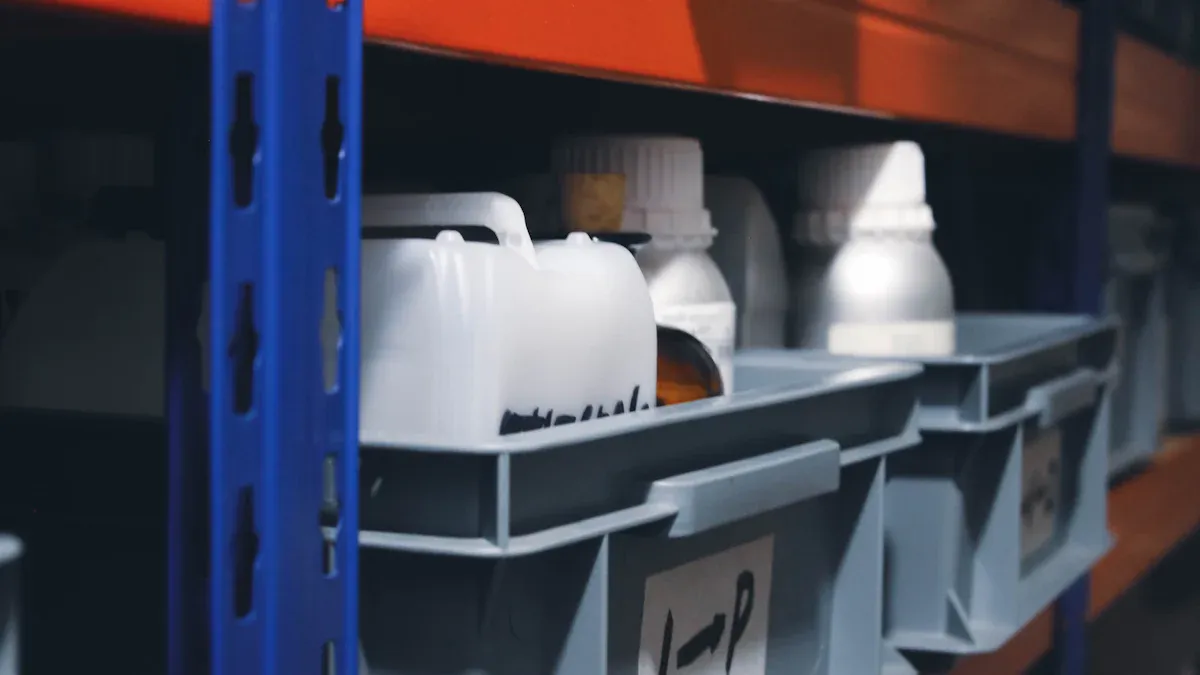
Purchasing compliant flammable storage cabinets is only half the battle. You must place and use these cabinets correctly to ensure maximum safety. Proper placement is a key part of your flammable liquid storage plan and involves following clear rules for location, ventilation, and grounding. These requirements protect your facility and personnel.
Location and Placement Rules
Where you put your storage safety cabinets is critical. A poorly placed cabinet can create a serious hazard during an emergency. Your goal is to position cabinets where they will not block escape routes or be near ignition sources. The proper storage of flammables depends on smart placement of your cabinets.
You must follow these placement requirements:
- Never place storage safety cabinets in exit paths or under stairways. A fire involving the cabinet could block your team’s only way out.
- Keep cabinets a safe distance from ignition sources. OSHA suggests a minimum of 20 feet between flammable chemicals and activities like welding or grinding.
- Avoid placing cabinets near electrical panels or outlets. A spark could ignite flammable vapors.
Following these rules for your storage safety cabinets is essential.
To Vent or Not to Vent?
You may see vent plugs on your cabinets and wonder if you should use them. The answer is usually no. NFPA 30 does not require venting for fire protection. In fact, venting can compromise the cabinet’s ability to protect its contents during a fire. The fire test for cabinets is done with the vents sealed.
Important Note: 📝 You should only vent your storage safety cabinets if your local fire code or a company policy requires it. This is sometimes done to reduce exposure to flammable vapors for health reasons.
If you must vent, you must do it correctly. The system needs rigid metal piping that exhausts directly outdoors, following standards like NFPA 91. Improper venting creates more risk.
How and When to Ground Your Cabinet
You must ground your flammable cabinet if you dispense flammable liquids from it. Transferring flammable liquids can create static electricity. A static spark is all it takes to ignite flammable vapors, causing a dangerous fire. Grounding provides a safe path for static charges to dissipate. This is a vital step for your hazardous material storage.
The process is straightforward. You must create a metal-to-metal connection from the cabinet to a verified earth ground, like a ground rod. You also need to bond the dispensing container to the receiving container to prevent sparks during transfer. This containment of static electricity is a best practice. A regular flammable cabinet inspection should confirm your grounding connections are secure.
Choosing the right flammable liquid storage cabinet requires a final check. You must assess your flammable liquids and understand all compliance requirements. Evaluate the features of various storage safety cabinets for your specific flammable storage needs. Your plan for the storage safety cabinets must include correct placement to prevent a fire. Before purchasing your flammable cabinet, confirm these points for all cabinets:
- The cabinet meets all your storage requirements.
- It has the correct capacity for your flammable materials.
- The cabinets carry UL or FM certifications.
This final review ensures your flammable liquid safety cabinets and safety storage cabinets provide total compliance. Proper flammable storage with the right storage safety cabinets is vital for workplace safety. These storage safety cabinets are your best defense. The right cabinets meet all standards and requirements for flammable storage. These are the best cabinets for compliance. All your cabinets must meet these rules.
FAQ
Can I store different types of chemicals in the same flammable cabinet?
You should not store incompatible chemicals together. For example, acids and bases can react dangerously. Use separate cabinets for different chemical types to prevent hazardous reactions. These separate cabinets improve your overall hazardous material storage plan and prevent a potential fire.
How many flammable cabinets can I have in one area?
OSHA limits you to a maximum of three flammable storage cabinets in any single fire control area. Placing too many cabinets together increases the fire load. Following this rule for your cabinets is essential for workplace safety.
Do my flammable cabinets need to be inspected?
Yes, you should inspect your cabinets regularly. Check for damage, ensure latches work correctly, and verify grounding connections are secure. Regular inspections of your cabinets ensure they will perform correctly during a fire and protect the liquids inside.
What happens if the internal temperature of the cabinets exceeds 325°F in a fire?
If the temperature inside the cabinets rises above 325°F, the stored liquids can auto-ignite. This means they can burst into flames without a spark. Certified cabinets are designed to keep the internal temperature below this point during a fire.


