

You need strong spill containment solutions to keep your workplace safe. Oil Drum Spill Containment Systems: Preventing Workplace Hazards and Environmental Damage makes your job easier. These systems stop leaks before they cause harm. You lower risks and protect the environment with simple steps. You also follow safety rules and help everyone in your workplace stay healthy.
Oil Drum Spill Containment Systems: Preventing Workplace Hazards and Environmental Damage

Common Risks of Oil Drum Spills
You face many risks when you store or handle oil drums in your workplace. Oil drum spill containment systems: preventing workplace hazards and environmental damage help you manage these dangers. The table below shows the most common hazards and the risks they bring:
| Hazard | Risk |
|---|---|
| Fire and Explosions | Catastrophic fires and explosions can cause severe injuries, property damage, and stop work. |
| Exposure to Hazardous Chemicals | Workers may suffer from breathing problems, skin issues, or long-term illnesses. |
| Equipment Failure | Old or broken pipes, tanks, or valves can leak or burst, causing spills. |
| Human Error | Mistakes like overfilling or mixing the wrong chemicals can lead to spills. |
Oil drum spills can also create slippery floors. You or your coworkers might slip and fall, leading to injuries. Contact with hazardous materials can make you sick or cause burns. These risks show why you need strong hazardous material management and containment.
How Containment Systems Protect Workers and the Environment
Oil drum spill containment systems: preventing workplace hazards and environmental damage give you a first line of defense. They use barriers, drip pads, and special pallets to stop leaks from spreading. This keeps hazardous materials in one place and away from people and the environment.
Here are some ways these systems protect you and your surroundings:
- Immediate barriers stop hazardous materials from spreading, lowering your risk of exposure.
- Quick response helps you avoid slips, falls, and contact with dangerous chemicals.
- Containment keeps spills from reaching soil, water, or air, which protects plants, animals, and water quality.
| Environmental Impact | Description |
|---|---|
| Effects on Wildlife | Spilled oil can coat animals, leading to toxic exposure and death. |
| Soil Contamination | Oil blocks plant growth and stops water, air, and nutrients from moving through soil. |
| Water Quality Degradation | Oil can pollute water sources, harming fish and making water unsafe to drink. |
| Air Quality Issues | Some oils release fumes that lower air quality and increase fire risk. |
| Vegetation Damage | Oil and salty water can kill plants and stop new ones from growing. |
Spill containment systems also help you keep your workplace safe and running. They reduce downtime by stopping spills before they become big problems. You save money on cleanup and avoid fines for breaking rules about hazardous material management.
Tip: Use physical barriers like raised berms and booms to keep oil in one spot. Drip pads catch small leaks before they reach the ground.
Regulatory Compliance and Legal Requirements
You must follow strict rules when you store hazardous materials. Oil drum spill containment systems: preventing workplace hazards and environmental damage help you meet these legal standards. Agencies like OSHA and the EPA set clear requirements for hazardous material management and containment.
| Regulation | Requirement |
|---|---|
| EPA SPCC Rule | You must use spill containment to stop leaks from reaching waterways. |
| OSHA HAZWOPER Standards | You need training, response plans, and the right equipment to protect workers. |
| Common Requirements | Secondary containment for drums and tanks, spill kits nearby, regular checks, and staff training. |
You need secondary containment that can hold at least 10% of the total volume of all containers or 100% of the largest one. Many places require spill pallets made from strong materials like HDPE. These pallets must meet EPA and ISO standards.
“Pursuant to 40 CFR §112.7(c), facilities subject to the Spill Prevention, Control, and Countermeasure (SPCC) must provide containment or diversionary structures or equipment to prevent discharges as described in §112.1(b).”
You show compliance with regulations by using proper containment and keeping records of inspections and training. This protects your workplace, the environment, and your business from legal trouble.
Step-by-Step Spill Response for Workplace Safety
Assessing Hazards and Securing the Area
When you notice an oil drum spill, you must act fast to keep everyone safe. First, check the area for hazards like slippery floors, fire risks, or chemical fumes. You need to secure the spill zone so no one enters by mistake. Use the right tools and equipment to block off the area and start containment. The table below shows what you can use:
| Tool/Equipment | Description |
|---|---|
| Oil Spill Boom | Barriers that float on water to contain the spread of oil, making removal easier. |
| Specialized Sorbents | Materials that absorb oil from surfaces, helping with cleanup. |
| High-Capacity Skimmers | Machines that remove oil from water surfaces, improving spill response. |
| Containment Berms | Structures that stop inland spills from spreading, adding extra security during a spill. |
Tip: Always wear protective gear before entering the spill area. This keeps you safe from harmful chemicals.
Containing the Spill Quickly
You must contain the spill right away to prevent it from spreading. Use spill containment booms as floating barriers. These come in two types: absorbent booms soak up oil, while non-absorbent booms control and direct the flow. Oil spill containment berms also help by holding hazardous liquids in place under storage tanks or pallets. This makes cleanup easier and helps you follow safety rules.
- Spill containment booms control the spread of oil.
- Oil spill containment berms keep hazardous liquids from moving beyond the spill site.
To respond quickly, follow these steps:
- Rapid assessment: Check how much oil spilled and what type it is.
- Deployment of containment measures: Set up booms and skimmers to start removing oil.
- Coordination with authorities: Work with local experts for a strong response.
Stopping Leaks at the Source
Stopping leaks at the source is key to preventing future spills. You should inspect your containers often to find leaks early. Use secondary containment systems to keep spills from spreading. Choose spill-preventing equipment that meets safety standards. Train your team so everyone knows how to handle oil drums safely.
- Inspect your containers regularly.
- Use secondary containment systems.
- Choose spill-preventing equipment.
- Train employees for proper procedures.
Note: Good training and regular checks help you avoid accidents and keep your workplace safe.
Cleaning and Neutralizing the Spill
After you contain an oil drum spill, you need to clean and neutralize the area. This step keeps your workplace safe and prevents harm to people and the environment. Start by removing any remaining liquid with absorbent pads or socks. Make sure you wear gloves and protective gear during this process.
You can use special chemical agents to neutralize the spill. These products help break down dangerous substances and make cleanup easier. Here are some common agents you might use:
- Spill-X® Portable Chemical-Neutralizing Kit: Works well for emergency spill response.
- Acid Neutralizer Powders: These powders are safe for the environment and change color when the spill is neutralized.
- Acid Spill Neutralizer Socks and Pillows: Good for larger spills, they soak up and neutralize acids.
- Battery Acid Neutralizer Liquid: This liquid shows a color change and works on many surfaces.
- Battery Acid Spill Kits: These kits have everything you need for battery-related spills.
Always follow the instructions on the label. Some spills need more than one type of neutralizer. Check the area after cleaning to make sure no residue remains. Good containment practices help you keep spills from spreading during this step.
Tip: Use containment barriers around the spill area while you clean. This keeps the spill from reaching drains or other sensitive spots.
Compliant Disposal of Contaminated Materials
Once you finish cleaning, you must dispose of all contaminated materials the right way. This includes used absorbents, gloves, and any tools that touched the oil. You cannot throw these items in regular trash bins. You must follow strict rules for disposal to protect the environment and avoid fines.
Many agencies set guidelines for how you handle and transport contaminated waste. The table below shows some of the main regulations and who enforces them:
| Regulation/Guideline | Governing Body |
|---|---|
| Resource Conservation and Recovery Act (RCRA) | U.S. EPA |
| Clean Water Act | U.S. EPA |
| Occupational Health and Safety Association (OSHA) | OSHA |
| State Environmental Protection Agencies | State Agencies |
| Local ordinances | Local Authorities |
| Department of Transportation (DOT) | DOT |
You should store contaminated materials in sealed, labeled containers. Keep these containers in a secure containment area until a licensed disposal company collects them. Always keep records of your disposal process. This shows you follow the law and use proper containment for hazardous waste.
Note: Good containment and proper disposal protect your workers, your business, and the environment.
Drum Spill Containment Pallets and Spill Containment Pallets in Action
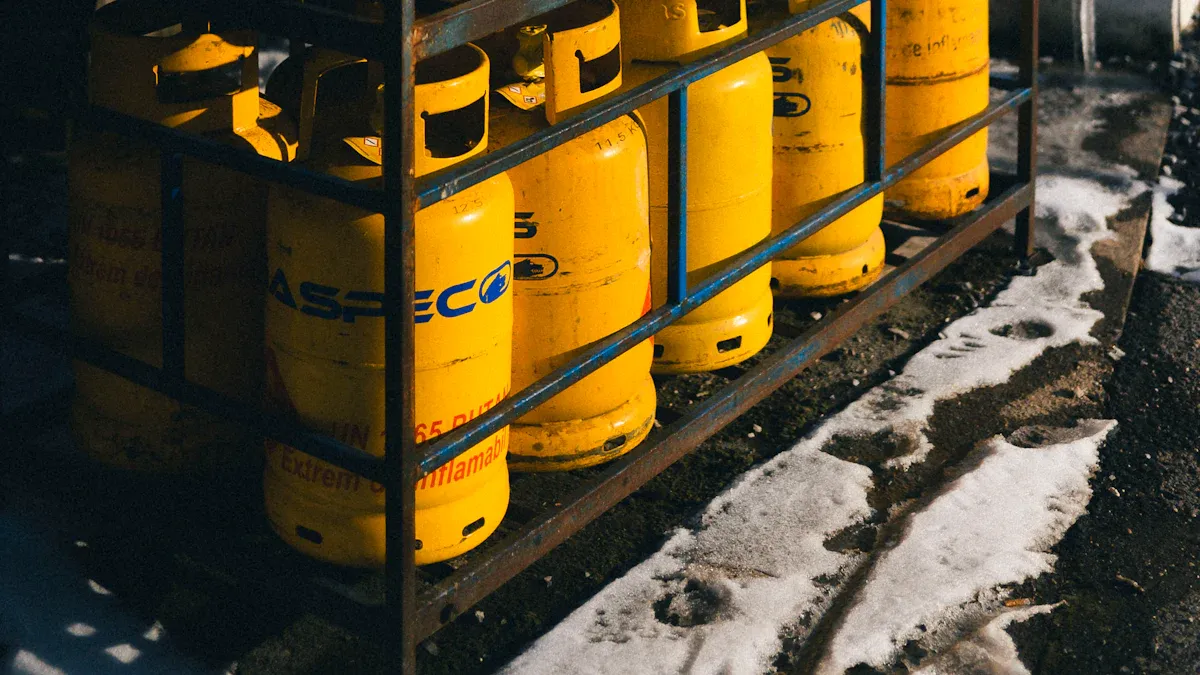
Key Features of Drum Spill Containment Pallets
You need to know the key features of drum spill containment pallets to keep your workplace safe. Drum spill containment pallets use strong materials like polyethylene or steel. These materials resist chemicals and do not rust. Each drum spill containment pallet has a built-in sump. This sump catches leaks, spills, or drips from oil drums. You can find removable grates on many drum spill containment pallets. These grates make cleaning easy and help you avoid slips. Drum spill containment pallets also have a non-slip surface for safety. Fork-lifting pockets let you move drum spill containment pallets safely. Most drum spill containment pallets meet EPA and OSHA rules for containment and safety.
| Feature | Description |
|---|---|
| Design and Construction | Made from durable, chemical-resistant materials |
| Containment Sump | Built-in sump captures leaks and spills |
| Load Capacity | Supports heavy drums and containers |
| Removable Grates | Easy cleaning and non-slip surface |
| Regulatory Compliance | Meets EPA and OSHA standards |
Drum spill containment pallets help you store hazardous materials safely. They prevent spills from spreading and protect your team.
Choosing the Right Spill Containment Pallets for Your Facility
You must know how to choose the right drum spill containment pallet for your needs. Start by checking the size and number of oil drums you store. Drum spill containment pallets must hold the full volume of the largest drum or 10% of the total volume. Pick drum spill containment pallets made from materials that match the chemicals you use. For acids, choose LLDPE. For flammable liquids, use steel. If you store drums outside, look for UV-resistant and weatherproof drum spill containment pallets. You should also think about where you place your drum spill containment pallets. If you are near drains, make sure your drum spill containment pallets can hold all the liquid in case of a spill.
| Criteria | Description |
|---|---|
| Compliance with containment volume | Holds largest drum or 10% of total volume |
| Material compatibility | Matches chemicals stored (LLDPE, steel, etc.) |
| Capacity requirements | Meets safety standards |
| Environmental considerations | Weatherproof and UV-resistant for outdoor use |
| Proximity to drains | 100% containment near water sources |
| Ease of cleaning | Removable grates and easy-to-clean surfaces |
| Mobility | Forklift pockets for easy movement |
You can use this table to help you decide how to choose the right drum spill containment pallet for your workplace.
Best Practices for Using Spill Containment Pallets
You should follow best practices when using spill containment pallets. Place each spill containment pallet on flat, stable ground. Store only chemicals that are safe together on the same spill containment pallet. Check your spill containment pallets often for cracks or damage. Never overload a spill containment pallet. Keep spill kits close to your spill containment pallets for quick response. If you use spill containment pallets outside, pick weatherproof models to stop rainwater from filling the sump. Always make sure your secondary containment holds at least 10% of the total volume or 100% of the largest drum. This keeps you in line with federal law.
Tip: Regular inspection and good housekeeping help your spill containment pallets last longer and work better.
Drum spill containment pallets and spill containment pallets give you strong protection. You lower risks, meet rules, and keep your workplace safe.
Practical Tips for Effective Workplace Safety
Employee Training for Spill Response
You need strong training to handle oil drum spills safely. Training helps you know what to do in an emergency. Many workplaces offer special courses for spill response. These programs teach you how to plan, respond, and stay safe during a spill. You can see some common training options in the table below:
| Course Name | Duration | Target Audience | Key Topics |
|---|---|---|---|
| OPRC IMO 1 Operations Staff | 3 days (24 hours) | Supervisors of response teams | Contingency Planning, Spill Oil Behaviour, Health and Safety, Response Planning, Shoreline Clean up, Environmental Considerations |
| Oil Spill Response Strategies & Tactics | 3 days | All staff | Fates & effects of spilled oil, Booming & recovery strategies, Site safety planning, Incident Command System (ICS) |
| SPCC and HAZWOPER Training | Varies | All staff | Initial and annual refresher training, site-specific spill scenarios |
You should complete spill response training every year. This keeps your skills sharp and helps you learn about new safety rules.
| Training Frequency | Description |
|---|---|
| Annual Training | Mandatory at least once every calendar year. Additional sessions may be required for significant changes. |
Tip: Practice spill drills with your team. This builds confidence and helps you respond faster.
Regular Inspection and Maintenance
You must check your spill containment systems often. Inspections help you find problems before they cause spills. Use the checklist below to guide your inspections:
| Inspection Requirement | Description |
|---|---|
| Structural integrity | Check berms, dikes, and walls for cracks or erosion. |
| Adequate capacity | Make sure containment holds enough liquid for the largest drum plus extra. |
| Drainage valve position | Keep valves closed unless draining stormwater under supervision. |
| Liner condition | Look for tears or UV damage on liners. |
| Accumulated water | Remove rainwater quickly to keep capacity. |
| Documentation requirements | Keep inspection logs and maintenance records for at least three years. |
You should monitor double-walled equipment every 30 days. Test all equipment at least once every three years to make sure it stays leak-proof.
Note: Good records help you show compliance during audits.
Proper Storage and Handling of Oil Drums
You can prevent spills by storing and handling oil drums the right way. Follow these simple steps:
- Use drip pans to catch extra fuel from nozzles.
- Keep absorbent materials like towels, socks, booms, and berms nearby.
- Train all employees to use spill containment tools correctly.
Store oil drums on flat, stable surfaces. Keep them away from drains and direct sunlight. Always label drums clearly. Move drums with proper equipment to avoid drops or punctures.
Remember: Careful storage and handling protect your team and the environment.
Developing a Spill Response Plan
You need a clear spill response plan to keep your workplace safe. A strong plan helps you act quickly when an oil drum spill happens. You protect your team and the environment by following simple steps.
Start by focusing on prevention. Store oil drums in a safe warehouse. Keep materials separate to avoid dangerous reactions. You lower the risk of spills when you organize your storage area.
Containment comes next. When a spill occurs, use absorbent pads or socks right away. Notify your supervisor so everyone knows about the hazard. Quick action stops the spill from spreading.
Cleanup is an important step. Choose the right absorbents for the type of oil or chemical. Use neutralizing agents if you deal with acids or other hazardous materials. Make sure you clean the area thoroughly. You prevent slips and health risks by removing all traces of the spill.
Protection matters for both people and the environment. Limit exposure by keeping the spill contained. Dispose of contaminated materials in sealed containers. Follow local rules for hazardous waste disposal. You keep your workplace safe and avoid fines.
Here is a simple checklist for your spill response plan:
- Store oil drums safely and keep materials separated.
- Use absorbent materials to contain spills quickly.
- Notify supervisors and secure the area.
- Clean up with the right absorbents and neutralizers.
- Dispose of contaminated materials properly.
Tip: Practice your spill response plan with your team. Regular drills help everyone remember what to do.
You build confidence and safety when you prepare for spills. A good plan protects your workers, your business, and the environment.
Key Benefits of Drum Spill Containment Pallets and Systems
Enhanced Workplace Safety
You improve workplace safety when you use drum spill containment pallets. These systems prevent hazardous liquids from spilling or contaminating your work area. You reduce cleanup time and keep your operations running smoothly. You also make it easier to handle dangerous materials. Many workplaces see less downtime because spills do not stop production. You can keep working without emergency cleanup. You also organize your hazardous materials better, which helps everyone stay safe.
- Prevents hazardous liquids from spreading
- Reduces cleanup time and operational disruptions
- Streamlines handling of dangerous materials
- Minimizes downtime and keeps work moving
- Improves organization and accessibility
Tip: Regular use of spill containment pallets helps you meet safety standards set by OSHA and EPA.
Environmental Protection
You protect the environment when you use drum spill containment systems. These systems stop oil and chemicals from reaching soil, water, or air. You help plants, animals, and people stay healthy. The table below shows how these systems support your facility and the environment:
| Benefit Type | Description |
|---|---|
| Cost Avoidance | No fines or high cleanup costs |
| Operational Excellence | Cleaner, safer facility |
| Market Advantage | Better reputation and customer trust |
You also help your equipment last longer and keep your workplace clean. You show your community that you care about the environment.
Cost Savings and Compliance
You save money and avoid legal trouble with drum spill containment systems. These solutions cut cleanup time and lower labor costs. You protect your building and equipment from damage. You also meet EPA and OSHA rules, which helps you avoid fines. Many companies use spill berm rentals to meet compliance without spending too much. You lower your risk and keep your business running for years.
- Minimizes cleanup and labor costs
- Prevents damage to infrastructure
- Meets EPA and OSHA standards
- Avoids fines and legal issues
- Reduces liability and environmental risks
Note: Good spill containment means long-term savings and peace of mind for you and your team.
Peace of Mind for Management and Staff
You want to feel safe at work. You also want to know that your team and your workplace stay protected every day. Drum spill containment systems give you that peace of mind. These solutions help you control risks before they become problems. You do not have to worry about sudden spills or accidents. You know you have the right tools in place.
When you use spill containment pallets and systems, you make your job easier. You do not need to stress about breaking safety rules. You can focus on your work because you know you follow EPA and OSHA guidelines. Your team feels confident because they have clear steps to follow if a spill happens.
Here are some ways spill containment systems give you peace of mind:
- You reduce the chance of injuries and accidents.
- You avoid costly fines and legal trouble.
- You protect the environment and your company’s reputation.
- You keep your workplace clean and organized.
- You show your team that you care about their safety.
Tip: Hold regular safety meetings. Ask your team how they feel about spill response. Listen to their ideas and concerns.
You also help new employees feel welcome. When you train everyone on spill response, you build trust. Your team knows what to do in an emergency. You create a culture of safety and responsibility.
| Benefit for Management | Benefit for Staff |
|---|---|
| Less stress about audits | Safer work environment |
| Fewer interruptions | Clear emergency steps |
| Better company image | More confidence at work |
😊 When you invest in spill containment, you invest in your people. You give everyone the confidence to do their best work every day.
You can make your workplace safer and more sustainable by adopting oil drum spill containment systems. Many companies have reduced environmental risks and avoided regulatory issues by installing EPA-compliant pallets and secondary containment. Over time, you lower cleanup costs, protect workers, and boost morale. To get started, follow these steps:
- Review regulations.
- Analyze hazards.
- Choose the right containment system.
- Monitor with technology.
- Add automated shut-off valves.
- Create an emergency plan.
Take action now to protect your team and the environment.
FAQ
What is a drum spill containment pallet?
A drum spill containment pallet is a platform that holds oil drums. It has a built-in sump to catch leaks or spills. You use it to keep your workplace safe and clean.
How often should you inspect spill containment systems?
You should inspect your spill containment systems at least once a month. Check for cracks, leaks, or damage. Keep a record of each inspection to show you follow safety rules.
Do spill containment pallets meet legal requirements?
Yes, most spill containment pallets meet EPA and OSHA standards. You must choose pallets that match your local and federal regulations. Always check the product label or ask the supplier for proof.
Can you use spill containment pallets outdoors?
You can use spill containment pallets outdoors if they are weatherproof and UV-resistant. Place them on flat ground. Make sure rainwater does not fill the sump and reduce its capacity.


