

You protect yourself and your team when you take care of your flammable cabinet. Regular maintenance helps you avoid steep fines and failed inspections. You lower the risk of OSHA penalties, like fines up to $285,300, by keeping your safety cabinet in top condition. Proper care of your flammable liquids cabinet also prevents fires and supports health and safety. The Maintenance and Inspection of Flammable Liquid Storage Cabinets: A Step-by-Step Guide gives you the tools to meet safety and compliance rules while managing flammable liquids.
| Evidence Source | Type of Penalty |
|---|---|
| Strong-Hold Blog | Steep fines, failed inspections, facility shutdowns |
| Absorbents Online | OSHA fines due to improper storage leading to industrial fires |
| Justrite | Fines totaling $285,300 from OSHA for violations in flammable chemical management |
Maintenance and Inspection of Flammable Liquid Storage Cabinets: A Step-by-Step Guide
Gather Tools and Personal Protective Equipment
You need the right tools and personal protective equipment before you start the maintenance and inspection of flammable liquid storage cabinets: a step-by-step guide. This helps you stay safe and work efficiently. Always wear gloves, safety goggles, and a lab coat or flame-resistant clothing. These items protect you from spills and splashes during flammable liquids storage checks.
You should also have a flashlight, a checklist, and a notepad. The flashlight helps you see inside the flammable cabinet, especially in corners where leaks or corrosion can hide. The checklist keeps you organized and ensures you do not miss any steps in the maintenance and inspection of flammable liquid storage cabinets: a step-by-step guide. Use the notepad to record any problems or repairs needed.
Tip: Always check your personal protective equipment for damage before you begin. Replace any worn or broken items right away.
Review Flammable Storage Cabinet Requirements and Safety Standards
You must understand the flammable storage cabinet requirements before you inspect or maintain your flammable cabinet. These requirements protect you and your workplace from accidents. Start by reading the latest OSHA and NFPA standards. These rules tell you how to store flammable liquids safely and what your flammable liquids cabinet must have.
According to current regulations, you can store up to 60 gallons of Category 1, 2, or 3 flammable liquids in a flammable cabinet. For Category 4, the limit is 120 gallons. You must never overload your flammable liquids storage. Always keep the cabinet doors closed and labeled. Store only flammable liquids inside. Do not mix in non-flammable items. Place incompatible chemicals in separate cabinets to prevent dangerous reactions. Keep your flammable liquids cabinet at least three feet away from heat or ignition sources.
Here is a simple checklist to help you follow the maintenance and inspection of flammable liquid storage cabinets: a step-by-step guide:
- Familiarize yourself with regulations and standards.
- Set up a regular flammable cabinet inspection schedule.
- Inspect the outside of the flammable cabinet.
- Check door seals and latches.
- Examine ventilation openings.
- Inspect the inside of the flammable liquids storage cabinet.
- Confirm the grounding connection.
- Document your inspection findings.
- Train staff on inspection and maintenance procedures.
| Cause of Failure | Description |
|---|---|
| Improperly stored chemicals | Can lead to spills, leaks, and reactions that pose safety hazards. |
| Lack of proper storage procedures | Indicates non-compliance with safety regulations, increasing the risk of accidents. |
| Inadequate training | Results in improper handling and storage of flammable liquids, contributing to potential failures. |
| Failure to document inspection findings | Hinders accountability and the ability to address safety issues effectively. |
You should train everyone who works with flammable liquids storage. Training should cover emergency evacuation, fire extinguisher use, spill response, and proper handling. Make sure everyone knows the flammable storage cabinet requirements and follows the maintenance and inspection of flammable liquid storage cabinets: a step-by-step guide. Good training and clear procedures help you avoid common causes of failure, such as improper storage and poor documentation.
Note: Regular maintenance and inspection of flammable liquid storage cabinets: a step-by-step guide keeps your safety cabinet in top shape and helps you meet all requirements.
Visual Inspection of Flammable Cabinet
Inspect Cabinet Exterior and Interior for Damage or Corrosion
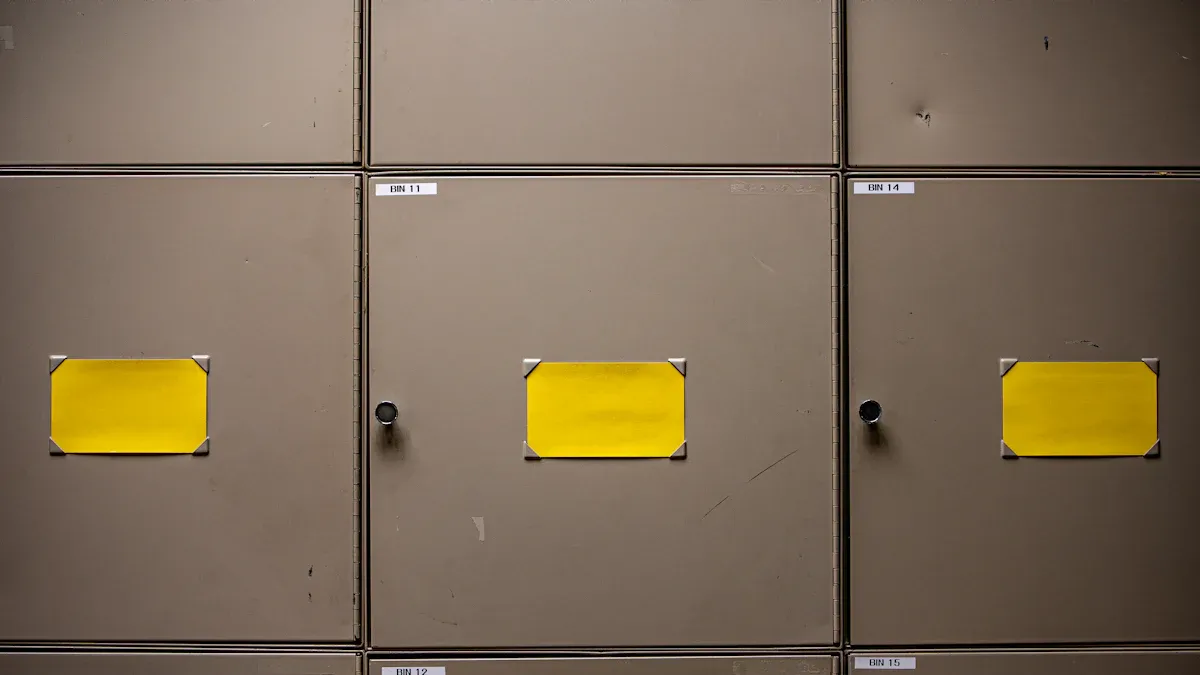
Start your inspection checklist by looking at the outside of your flammable cabinet. Check for dents, scratches, or rust. These problems can weaken the cabinet and make it unsafe. Open the doors and look inside. Use a flashlight to see every corner. Search for signs of leaks or spills. If you find any damage, write it down on your inspection checklist. You should also check the shelves. Make sure they are not bent or broken. A strong flammable cabinet keeps flammable liquids safe.
Check Labels, Signage, and Warning Placards for Compliance
Your inspection checklist must include a review of all labels and signs. Every flammable cabinet needs clear warning signs. According to OSHA and other safety rules, you must display a label that says, “Flammable – Keep Fire Away.” The word “FLAMMABLE” should be 2 inches tall. The words “KEEP FIRE AWAY” should be 1 inch tall. Place these signs where everyone can see them, both at the entrance and on the cabinet itself.
| Requirement Type | Details |
|---|---|
| Storage Signage | Cabinets must display a label reading, ‘Flammable – Keep Fire Away.’ |
| Letter Height | ‘FLAMMABLE’ should be 2 inches; ‘KEEP FIRE AWAY’ should be 1 inch. |
| Placement | Signs should be visible at the entrance and on the cabinets themselves. |
You should also check for other important signs. These include:
- OSHA regulations
- ANSI/GHS guidelines
- NFPA 704 fire diamond
Add each item to your inspection checklist. If you see a missing or damaged sign, fix it right away.
Ensure Safety Information is Visible and Legible
Your inspection checklist should always include a step to check safety information. Make sure all labels and signs on your flammable cabinet are easy to read. If a label is faded or covered by dirt, clean it or replace it. Everyone must see and understand the warnings before handling flammable liquids. Good signs help prevent accidents and keep your workplace safe. You should never skip this step during your inspection. A clear flammable liquids cabinet protects you and your team.
Tip: Keep extra labels and signs on hand. Replace damaged ones as soon as you spot them during your inspection checklist.
Functional Checks for Flammable Liquids Cabinet
Test Doors, Hinges, and Locks for Proper Operation
You should open and close the doors of your flammable cabinet several times during each inspection. Make sure the doors swing smoothly and close tightly. Check the hinges for rust or loose screws. If you find a problem, fix it right away. Test the locks to see if they latch securely. A strong lock helps with fire protection and keeps unauthorized people out. You protect your flammable liquids and your team by making sure the cabinet stays closed and locked.
Tip: Lubricate hinges if you hear squeaking or feel resistance. This simple maintenance step extends the life of your flammable cabinet.
Confirm Grounding and Bonding Connections
Grounding and bonding are important for fire protection. You should look for a grounding wire on your flammable cabinet. Make sure it connects to a proper ground point. Check that the wire is not frayed or loose. Bonding prevents sparks when you transfer flammable liquids. If your cabinet has a bonding strap, inspect it for damage. Good connections lower the risk of static electricity and help with fire containment.
- Always use a checklist for this part of your inspection.
- Record any repairs or replacements you make.
Assess Ventilation and Self-Closing Door Mechanisms
Proper ventilation and self-closing doors are key for fire protection. According to NFPA standards, cabinets must meet strict construction rules. The table below shows important requirements:
| Requirement Type | Details |
|---|---|
| Construction | Cabinets must meet NFPA 30-4.3.3 or UL 1275 standards. |
| Capacity | Cabinets shall not exceed 45 gallons. |
| Door Mechanism | Doors must be swing open and self-closing as per fire code requirements. |
| Ventilation | Cabinets under fume hoods must be vented; free-standing cabinets in biomedical labs should not be vented. |
| Sealing | Non-ventilated cabinets must have vent openings sealed with bungs. |
| Approval | Venting details must be submitted for approval to relevant safety offices. |
You should check that the self-closing door mechanism works every time. Open the door and let it close by itself. If it does not close fully, adjust or repair the mechanism. For ventilation, look for vent openings. If your flammable cabinet is not vented, make sure the bungs seal the vents tightly. If you use ventilation, confirm that it leads outside or to a treatment device. This step helps prevent fume buildup and supports fire protection.
Note: Double steel walls, flame arresters, and secure latching systems add extra fire protection to your flammable liquids cabinet.
Storage Assessment and Flammable Storage Cabinet Requirements
Examine Condition and Labeling of Stored Containers
You must check every container inside your flammable cabinet. Look for dents, rust, or leaks. Damaged containers can cause hazardous spills or fires. Always keep your flammable cabinet clean and dry. Make sure you have fire extinguishers and spill kits nearby and ready to use.
When you inspect labels, look for clear chemical names and hazard warnings. Labels should show if the chemical is flammable, toxic, or reactive. Precautionary statements help you and first responders stay safe. You need to keep an accurate inventory of all hazardous chemicals in your flammable cabinet. Proper labeling lets you identify risks quickly.
- Inspect containers for damage or leaks.
- Confirm labels show chemical names and hazards.
- Keep safety equipment close to your flammable cabinet.
- Maintain an up-to-date inventory of hazardous chemicals.
Check Chemical Segregation and Compatibility
You must separate chemicals based on their properties. Some chemicals react dangerously if stored together. Your flammable cabinet should follow chemical storage safety guidelines. Use the table below to help you organize your hazardous chemicals:
| Chemical Group | Storage Guidelines |
|---|---|
| Flammable liquids | Store away from incompatible chemicals. Can be with volatile poisons or liquid bases, not both. |
| Liquid bases | Store with flammable liquids if volatile poisons are absent. Keep away from acids. |
| Compressed gases | Keep oxygen apart from flammable gases. Secure all cylinders. |
| Volatile poisons | Store with flammable liquids if bases are not present. Use a ventilated cabinet. |
You lower the risk of hazardous reactions by following these requirements. Always check compatibility before adding new chemicals to your flammable cabinet.
Verify Storage Capacity Limits Are Not Exceeded
You must not overload your flammable cabinet. Exceeding capacity increases hazardous risks and breaks safety requirements. Check the table below for the maximum storage limits:
| Category of Liquid | Maximum Storage in Cabinet |
|---|---|
| Category 1, 2, 3 | 60 gallons |
| Category 4 | 120 gallons |
| Storage Area Type | Maximum Storage Allowed |
|---|---|
| Single Cabinet | 60 gallons |
| Up to three cabinets | 180 gallons (60 each) |
Count every hazardous chemical container in your flammable cabinet. Make sure you do not go over the allowed limit. You protect your workplace and meet all requirements by following these rules.
Tip: Review your inventory often. Remove expired or unused hazardous chemicals to keep your flammable cabinet safe and compliant.
Area Inspection Around Flammable Cabinet
Ensure Proper Placement and Required Clearance
You must check that your flammable cabinet sits in the right spot. Place it on a level surface to keep it stable and grounded. Never block exits, stairs, walkways, or doors with your cabinet. You should avoid putting the cabinet under fume hoods unless you have a clear reason. Improper venting can increase fire risks. Keep the cabinet away from electrical outlets, welding areas, and other ignition sources. Some flammable liquids cannot be stored in basements. Always follow your facility’s rules for cabinet placement.
Inspect for Obstructions and Accessibility
You need to keep the area around your flammable cabinet clear. Remove any boxes, tools, or trash that could block access. Combustible materials should not pile up near the cabinet. Make sure nothing stops the cabinet doors from closing all the way. Clean up spills right away to prevent slips and keep the path open. Always keep containers closed when you are not using them. Regular checks help you spot leaks or spills before they become a problem.
- Remove clutter and keep walkways open.
- Store flammable liquids away from heat and ignition points.
- Close all containers after use.
Tip: A clear area helps you reach the cabinet quickly in an emergency.
Check Spill Containment and Housekeeping Measures
You must use good containment practices to prevent spills from spreading. Store flammable chemicals away from incompatible substances. This reduces the risk of dangerous reactions. Organize chemicals by compatibility and how often you use them. Do not overcrowd the storage area. Install fire safety equipment like extinguishers and sprinklers as required. Train everyone on how to use this equipment and practice regular safety drills. Inspect the area and containers often for leaks or damage. Keep flammable chemicals away from open flames and set up no-smoking zones. Good housekeeping and containment protect your team and your facility.
Note: Regular inspections and clear safety rules help you stay compliant with local, state, and federal regulations.
Documentation and Scheduling for Maintenance and Inspection

Record Inspection Results and Maintenance Actions
You should always write down what you find during each inspection. Use a logbook or a digital form to record the date, time, and name of the person who checked the flammable cabinet. List any problems you see, such as leaks, broken locks, or missing labels. Write down every maintenance action you take, like fixing a hinge or replacing a label. Good records help you track the condition of your cabinet and show that you follow safety rules.
Tip: Keep your inspection records in a place where everyone can find them. This helps your team stay informed and ready for audits.
Set and Track Regular Inspection Intervals
You need to set a schedule for checking your flammable cabinet. Routine inspections keep your workplace safe and help you catch problems early. Follow these recommended intervals for important tasks:
| Maintenance Task | Recommended Interval |
|---|---|
| Check grounding of the safety cabinet | Every 3 months |
| Check flame arresters | Every 6 months |
Mark these dates on a calendar or use reminders on your phone. You should also check the cabinet after any spill or chemical accident. Regular checks make sure your cabinet stays in good shape and meets all safety standards.
Address and Follow Up on Identified Issues
When you find a problem during an inspection, act quickly. Fix leaks, replace damaged parts, and clean up any chemical spills right away. If you cannot fix a problem yourself, tell your supervisor or maintenance team. Write down what you did to solve the issue and check later to make sure the problem does not return. This process keeps your flammable cabinet safe for everyone who handles chemicals.
Note: Fast action and good follow-up prevent small issues from turning into big hazards.
Compliance Tips for Flammable Storage Cabinet Requirements
Reference OSHA and NFPA Standards
You must follow safety regulations to keep your flammable cabinet safe and legal. OSHA and NFPA set the main standards for storing flammable liquids. OSHA 29 CFR 1910.106 and NFPA 30 tell you how to use and maintain your flammable cabinet. These standards explain where to place your cabinet, how much you can store, and what labels you need. You should read these rules often to stay up to date with any changes. Meeting compliance obligations helps you avoid fines and keeps your workplace safe.
Note: Always check your local safety regulations. Some states or cities have extra rules for flammable cabinets.
A good practice is to keep a copy of the main standards near your flammable cabinet. This makes it easy for you and your team to check the rules when needed. Following these standards supports health and safety for everyone in your facility.
Avoid Common Compliance Mistakes
Many people make the same mistakes with flammable cabinets. You can avoid these problems by learning what they are and how to fix them.
- Storing flammable liquids too close to heat or sunlight increases fire risk.
- Using non-approved containers can cause leaks or fires.
- Letting clutter build up near your cabinet makes emergencies worse.
- Storing more than the allowed amount breaks safety regulations and makes it hard to respond in an emergency.
- Not training workers leads to unsafe handling and storage.
You should conduct regular inspections to catch problems early. Train everyone who uses the flammable cabinet on safety regulations and compliance obligations. Always follow the storage limits and use only approved containers. Good housekeeping keeps your area safe and helps you meet compliance. Training is key for safety and compliance. When you teach your team the right way to handle flammable liquids, you lower the risk of accidents and keep your compliance obligations in check.
Tip: Make a checklist for your inspections. This helps you remember every step and keeps your flammable cabinet in line with all standards.
You protect your workplace when you follow a regular inspection schedule for your flammable cabinet. Routine checks help you spot leaks, rust, or blocked ventilation ports early. The table below shows how regular inspections and maintenance keep your flammable cabinet safe and compliant.
| Benefit | Description |
|---|---|
| Regular Inspections | Identify problems before they compromise safety. |
| Compliance Verification | Ensure locking mechanisms and safety features work well. |
You can find more details in official guidelines like OSHA 29 CFR 1910.106 and NFPA 30. Always store chemicals in approved cabinets and keep containers closed when not in use.
FAQ
How often should you inspect your flammable liquid storage cabinet?
You should inspect your flammable cabinet at least once every three months. Check after any spill or accident. Regular inspections help you find problems early and keep your workplace safe.
What should you do if you find a leak in the cabinet?
You must clean up the leak right away. Use a spill kit and wear protective gear. Report the problem to your supervisor. Replace or repair damaged containers before storing them again.
Can you store other chemicals with flammable liquids?
No, you should not store other chemicals with flammable liquids. Keep acids, bases, and oxidizers in separate cabinets. This prevents dangerous reactions and keeps your storage area safe.
What labels must appear on a flammable storage cabinet?
Your cabinet must have a label that says, “Flammable – Keep Fire Away.” The word “FLAMMABLE” should be 2 inches tall. The words “KEEP FIRE AWAY” should be 1 inch tall. Place the label where everyone can see it.


