
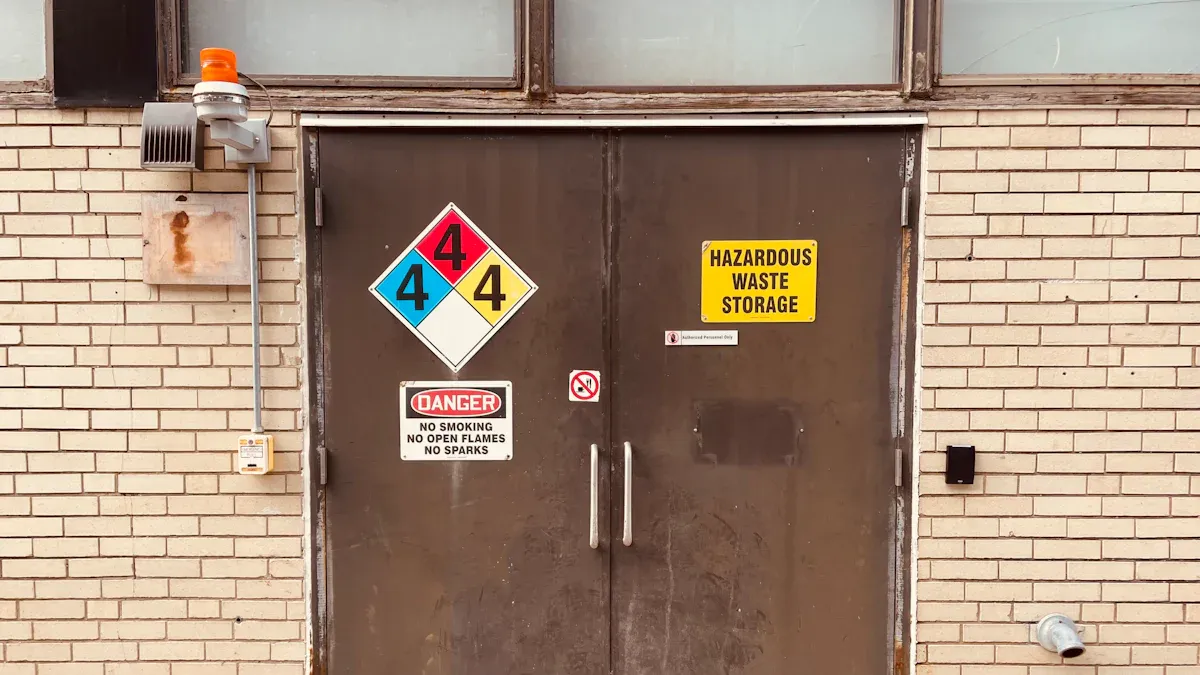
Choosing the right flammable safety cabinet for gas can storage protects you and everyone nearby. When you use approved containers and follow safety guidelines, you lower the risk of fire or explosion. Many people suffer burns, amputations, or permanent injuries each year from gasoline storage mistakes. Explosions can destroy vehicles, homes, or garages. Always select flammable storage cabinets that meet safety standards and hold approved containers. How to Choose the Right Gas Can Storage Cabinet for Flammable Liquids helps you make safe choices every time.
- Thousands of adults and children suffer burns and injuries from gas can explosions each year.
- Life-altering injuries can include permanent scarring, amputations, or long-term disabilities.
- Explosions may cause damage to vehicles, homes, garages, or personal belongings.
How to Choose the Right Gas Can Storage Cabinet for Flammable Liquids

Assess Your Flammable Liquid Storage Needs
When you start learning how to choose the right gas can storage cabinet for flammable liquids, you need to look at what you plan to store. You should make a list of all the fuel types you use. This includes gasoline, diesel, kerosene, and other fuels. Each fuel has its own flash point and boiling point. These details help you decide which cabinet works best for your needs.
Tip: Use Safety Data Sheets (SDS) for each fuel. These sheets tell you about hazards and safe storage.
You should also check the amount of fuel you need to store. The type and volume of fuel matter. For example, storing a small amount of gasoline is different from storing several large cans of diesel. The table below shows the maximum volume you can keep in a single cabinet:
| Category of Flammable Liquids | Maximum Volume in Cabinet |
|---|---|
| Category 1, 2, and 3 | 60 gallons |
| Category 4 | 120 gallons |
You must also think about the hazard class of each fuel. Some fuels are more dangerous than others. Cabinets come with approval ratings. Look for cabinets that meet standards like FM, DOT, NFPA, OSHA, U, or UL/ULC. These ratings show that the cabinet can handle the fuel you want to store.
Here is a simple checklist to help you assess your needs:
- Identify each fuel and its properties.
- Check the flash point and boiling point.
- Review the Safety Data Sheets.
- List the total volume you plan to store.
- Make sure the cabinet meets safety standards.
- Choose a cabinet with spill trays to contain leaks.
- Pick self-closing doors for extra safety.
If you use more than one type of fuel, color code your cabinets. This makes it easy to find the right fuel and keeps your storage area organized.
Determine Space and Location for Gas Can Storage
After you know what you need to store, you must decide where to put your cabinet. The location matters for both safety and convenience. When you learn how to choose the right gas can storage cabinet for flammable liquids, you must keep cabinets away from anything that could start a fire. Do not place cabinets near panel boards, electrical outlets, or areas where you weld or grind. These spots can spark and ignite fuel vapors.
Alert: Never put cabinets in exit paths or under stairs. You need clear escape routes in case of an emergency.
You should always set cabinets on a level, non-combustible surface. Avoid wooden pallets. Wood can catch fire and make things worse if there is a spill. Place your cabinet where you can reach it easily but where it will not block walkways.
The type of fuel you store can also affect where you put your cabinet. The table below shows how different fuels and their hazard levels change your storage needs:
| GHS Cat | Typical container limit outside cabinet | Ventilation & Electrics | Storage furniture |
|---|---|---|---|
| 1 | 1 L | ATEX Zone 1 wiring, local exhaust | BS EN 14470-1 Type 90 cabinet |
| 2 | 5 L | Mechanical ventilation, bonded pumps | Type 30 cabinet |
| 3 | 25 L | Natural draught plus spill trays | Metal cupboard, self-closing door |
| 4 | 50 L | Monitor ambient temp; no hot work nearby | Ordinary steel racking |
You should also think about how often you need to access the fuel. If you use fuel every day, keep the cabinet close to your work area but still safe. If you only use fuel sometimes, you can store the cabinet farther away.
When you follow these steps, you make it easier to learn how to choose the right gas can storage cabinet for flammable liquids. You protect yourself, your property, and everyone around you. You also make sure your fuel stays safe and ready to use.
Flammable Safety Cabinet Compliance and Fire Protection
Understand OSHA, NFPA, and Local Codes
You must follow strict safety standards when you store hazardous fuel. OSHA and NFPA set the main requirements for flammable liquids. These organizations create guidelines to keep you safe and prevent fire. Local codes may add more rules, so always check with your city or county.
Here is a table that shows the main requirements from OSHA and NFPA:
| Requirement | Details |
|---|---|
| Storage Limit | No more than 60 gallons of flammable liquids in cabinets without fire suppression systems. |
| Cabinet Rating | Must be UL 1275 rated or FM Class #6050 approved. |
| Labeling | Cabinets must be marked “Flammable Storage” or “Flammable – Keep Fire away“. |
| Door Condition | Doors must fully close without gaps and be in good condition. |
| Location | Cabinets should not obstruct egress routes. |
You should always return hazardous fuel to the cabinet after use. Keep chemicals separated by reactivity. Remove combustible items from the cabinet. These guidelines help you avoid fire and meet safety standards.
Tip: Local regulations may require extra safety features. Ask your fire marshal for advice.
Check Certifications and Required Labels
You need to check that your cabinet meets all safety standards and regulations. Look for certifications that prove the cabinet passed fire and hazardous material tests. The table below lists the most important certifications and standards:
| Certification/Standard | Description |
|---|---|
| OSHA 29 CFR 1910.106 | Governs safe storage of flammable liquids, outlining maximum quantities, cabinet construction, and usage guidelines. |
| NFPA 30 | Provides guidance on cabinet ventilation, material specs, storage limits, and separation of incompatible chemicals. |
| FM Approved | Confirms independent testing for fire resistance and structural integrity under extreme conditions. |
You must also check the labels on your cabinet. Regulations require clear warnings for hazardous fuel. The label should use red letters on a contrasting background. It must say “FLAMMABLE – KEEP FIRE AWAY.” This warning helps everyone spot the hazard and follow safety guidelines.
Always check that your cabinet’s certifications and labels match the requirements for your fuel and hazardous liquids. This step keeps you safe and helps you pass inspections.
Key Features of Gas Can Storage Cabinets
Material, Construction, and Fire Resistance
When you choose a cabinet for fuel storage, you need to look at the materials and how the cabinet is built. Most flammable safety cabinets use strong steel or high-density polyethylene. Steel cabinets have double walls with air space for extra fire protection. Polyethylene cabinets work well for storing aggressive chemicals but are less common for fuel. The table below shows the main materials:
| Material | Description |
|---|---|
| Steel | 18-gauge steel, double-walled with 1 1/2″ air space between walls, meets OSHA and NFPA Code 30 specifications. |
| Polyethylene | Made of 100% high-density polyethylene, suitable for aggressive acids and pesticide storage. |
You should also check the fire resistance rating. Cabinets come in different types, each with a minimum fire resistance time. This rating tells you how long the cabinet can protect your fuel in a fire.
| Type | Minimum Fire Resistance |
|---|---|
| TYPE 15 | 15 minutes |
| TYPE 30 | 30 minutes |
| TYPE 60 | 60 minutes |
| TYPE 90 | 90 minutes |

Ventilation and Spill Containment
Proper ventilation is a must for any flammable safety cabinet. Good ventilation stops dangerous vapors from building up inside the cabinet. This reduces the risk of fire or explosion. Explosion-proof cabinets use sealed construction and positive-pressure ventilation to keep vapor levels safe.
Spill containment is another key feature. You want a cabinet that can handle leaks or drips from fuel cans. Modern cabinets use adjustable shelving and leak-resistant spill trays. These features keep spills from spreading and protect your workspace.
| Feature | Description |
|---|---|
| Adjustable Shelving | Flexible shelving systems allow for the storage of containers of various sizes, maximizing efficiency. |
| Leak-Resistant Spill Trays | Integrated trays catch leaks or drips, preventing hazardous chemicals from contaminating the workspace. |
Tip: Always check that your cabinet has spill containment trays and adjustable shelves for safer fuel storage.
Locking Mechanisms and Security
You need to keep your flammable fuel storage secure. Cabinets come with strong locking systems to stop unauthorized people from getting in. Many cabinets use programmable security codes or industrial-grade locks. These features help you control who can access your fuel and keep your safety a top priority.
| Security Feature | Description |
|---|---|
| Programmable Security Codes | 4 level customer programmable security codes to prevent unauthorized access. |
| Industrial Locking System | High-security protection against unauthorized access. |
| Tight Locking Mechanism | Locks tight and keeps out unauthorized people. |
A secure cabinet protects your fuel, reduces the risk of theft, and helps you meet safety rules.
Color Coding and Labeling
Color coding and clear labeling help you keep your gas can storage safe and organized. When you use the right colors and labels, you make it easy for everyone to know what is inside each cabinet. This system helps you avoid mistakes and keeps your workplace safer.
You can use color codes to show what type of liquid you store in each cabinet. The table below shows the most common colors and what they mean:
| Color | Significance |
|---|---|
| Yellow | Flammable liquids |
| Red | Paints, inks, and other combustible liquids |
| Gray/White | Waste or outdoor chemical lockers |
If you follow these color codes, you help everyone in your shop or garage find the right cabinet quickly. You also make it easier for first responders to know what hazards are present during an emergency.
Proper labeling is just as important as color coding. You should always use clear, bold labels on every cabinet. Labels must show the type of hazard and give a warning. For example, a label might say “FLAMMABLE – KEEP FIRE AWAY.” This warning helps you and others stay alert.
Tip: Place labels at eye level so everyone can see them easily.
Here are some ways that color coding and labeling improve safety:
- You can identify cabinet contents quickly.
- You lower the risk of storing the wrong materials together.
- First responders can make better choices during emergencies.
When you use both color coding and labeling, you create a safer storage area. You also meet safety rules and make inspections easier. Always check your cabinets to make sure the colors and labels are correct and easy to read.
Practical Usability and Maintenance
Accessibility and Ease of Use
You want a gas can storage cabinet that makes your daily tasks easier and keeps you safe. Good design features help you follow safety protocols every time you use the cabinet. Look for cabinets with strong steel construction and rust resistance. These features keep your cabinet working well outdoors and indoors. Doors with continuous stainless steel piano hinges open smoothly, so you can reach your supplies fast. Lockable handles give you security but also let you access fuel quickly when you need it.
Here is a table showing design features that improve accessibility:
| Design Feature | Benefit for Accessibility |
|---|---|
| Fully spot-welded Galvanneal 18-gauge steel | Durability and rust resistance for outdoor use |
| Sloped roof with rain gutter | Prevents water buildup, keeps access easy |
| 12-gauge skids for mobility | Easy to move for frequent use |
| Stainless steel piano hinges | Smooth door operation for quick access |
| Lockable paddle latch handle | Security and easy access |
| Stable trapezoid legs with forklift channels | Mobility and stability |
| UV- and chemical-resistant powder coating | Long-lasting and accessible outdoors |
| SpillSlope® shelves with welded sump | Prevents spills, keeps area clean and safe |
| Highly visible warning labels | Quick identification, improves safety |
You should also place cabinets under a fume hood if possible. This step reduces the need to move flammable liquids and helps you follow safety protocols during emergencies. Color-coding and clear labels help you find what you need fast, which is important for safety.
Cleaning and Upkeep
Keeping your cabinet clean is a key part of safety protocols. You should start cleaning at the top and work your way down. Use disinfectant wipes on the work surface every day. Clean the interior walls each week. Vacuum and disinfect the grilles once a month. Always check the drain pan if your cabinet has one.
Here is a simple cleaning schedule:
| Component | Cleaning Frequency | Cleaning Method |
|---|---|---|
| Work Surface | Daily | Disinfectant wipe-down |
| Interior Walls | Weekly | Thorough disinfection |
| Grilles | Monthly | Vacuum and disinfect |
Choose cleaning agents that work well and keep you safe. Use 70% isopropyl alcohol for general cleaning, but remember it is flammable. A 1:10 bleach solution works for many germs, but rinse it off to avoid damage. Quaternary ammonium compounds clean well but may leave residue.
You should inspect your cabinet every month. Look for rust, cracks, or weak seals. Regular checks help you spot problems early and keep your cabinet safe. Monthly inspections are part of good safety protocols and help you meet safety rules.
Tip: Always follow safety protocols when cleaning and inspecting your cabinet. This habit protects you and keeps your storage area safe for everyone.
Budget, Value, and Making Your Final Choice
Balancing Cost, Safety, and Durability
You need to balance cost, safety, and durability when choosing a gas can storage cabinet. High-quality cabinets often cost more, but they offer better protection and last longer. For example, a 22-gallon under-counter manual cabinet costs $1,399.97, while a self-closing model costs $1,599.97.
| Item | Description | Price |
|---|---|---|
| A1971XE | 22-Gal. Manual Cabinet | $1,399.97 |
| A1970XE | 22-Gal. Self-Closing Cabinet | $1,599.97 |
Some cabinets start at $1,395.97 and use heavy-duty aluminum. This material resists corrosion and provides strong protection. Lockable doors help you meet safety standards and prevent unauthorized access. These cabinets also stop flammable gases from building up, which keeps your workplace safer.
Warranty and Customer Support
You should check the warranty and customer support before buying a cabinet. Good manufacturers build long-term relationships with customers. They offer open communication and reliable service. Strong customer support increases trust and makes you feel confident about your purchase. If you have questions or problems, helpful support can solve issues quickly and keep your cabinet working well.
- Companies focus on long-term relationships.
- Ongoing support improves satisfaction and loyalty.
- Honest service builds trust and reliability.
Final Checklist and Common Mistakes
Before you buy a cabinet, use a checklist to avoid common mistakes. Make sure the doors latch properly. Check for unauthorized changes that could void safety certifications. Remove unapproved cans and liquids from the area. Inspect safety cans to confirm they are self-closing and leak-tight. Color-code your cans for easy identification.
- Overloading the cabinet increases risks.
- Storing ignition sources nearby can cause fires.
- Only trained staff should handle flammable liquids.
Tip: Always follow safety guidelines and check your cabinet regularly to prevent accidents.
You can choose the right flammable safety cabinet with confidence when you follow a clear process. Start by assessing your chemical inventory. Measure your space for proper fit. Pick materials that match your storage needs. Select a door style that meets safety rules. Evaluate shelving and size for easy organization. These steps help you protect yourself and keep your storage area safe from fire risks. The right cabinet makes storage simple and stress-free.
FAQ
What is the main purpose of a gas can storage cabinet?
You use a gas can storage cabinet to keep flammable liquids safe. The cabinet protects you from fire risks. It also helps you follow safety rules at home or work.
How often should you inspect your flammable safety cabinet?
You should inspect your cabinet every month. Look for rust, leaks, or broken locks. Regular checks help you spot problems early and keep your storage area safe.
Can you store different types of fuel in the same cabinet?
You should only store fuels with similar hazard classes together. Always check the Safety Data Sheets. Use color coding to avoid mixing incompatible chemicals.
Do you need to ventilate your gas can storage cabinet?
Proper ventilation helps prevent vapor buildup. Some cabinets have built-in vents. Always follow the manufacturer’s instructions and local safety codes for ventilation.
What should you avoid placing near your storage cabinet?
- Open flames
- Electrical outlets
- Welding equipment
Keep your cabinet away from anything that could start a fire. This step keeps you and your property safe.


