

You need to protect your workplace from fire risks by choosing the right safety cabinet. Updated safety standards in 2026 require you to focus on strong construction, secure locking, and proper labeling. Many workplace fires happen when flammable chemicals are stored near heat, in unsealed containers, or in areas with poor ventilation. You can prevent these dangers by using fire-rated cabinets, keeping chemicals sealed, and training your team in safe handling. How to Choose the Right Safety Cabinet for Flammables: Key Features and Requirements must guide your decision. Regular safety checks and correct installation keep your flammable storage safe.
Updated 2026 Safety Regulations for Flammable Safety Cabinets
New Standards and Codes for Flammable Storage
You must follow new safety regulations in 2026 when you choose a safety cabinet for flammable materials. The rules now require self-closing doors on flammable safety cabinets. This change helps protect you and your team during emergencies. The doors close automatically if a fire starts. You do not need to risk your safety by closing the doors yourself. Here are the main updates:
- Self-closing doors are now mandatory for flammable safety cabinets.
- Automatic doors reduce fire hazards and improve fire protection.
- The new standards focus on keeping hazardous chemicals secure.
These updates make chemical storage safer and help prevent accidents.
Legal Safety Obligations for Employers
You must meet legal safety obligations when you store flammable materials. Safety regulations require you to use safety storage cabinets that meet current safety standards. You need to keep hazardous chemicals away from heat sources. You must label each cabinet clearly. Employers must train workers to handle flammable materials safely. You must also check cabinets regularly to make sure they work properly. If you store chemicals in a corrosive cabinet, you must follow the same rules. Meeting these obligations keeps your workplace safe and avoids fines.
Tip: Always check local safety regulations before you install new cabinets. Rules may change from year to year.
Certification and Compliance for Safety Cabinets
You must choose flammable safety cabinets that have the right certifications. These certifications prove that your cabinets meet safety standards. The table below shows the main certifications for 2026:
| Certification | Description |
|---|---|
| OSHA 29 CFR 1910.106 | Governs safe storage of flammable liquids, outlining maximum quantities, cabinet construction, and usage guidelines. |
| NFPA 30 | Provides guidance on cabinet ventilation, material specs, storage limits, and separation of incompatible chemicals. |
| FM Approved | Indicates third-party testing for fire resistance and structural integrity, often required by local authorities. |
You must check for these certifications before you buy a safety cabinet. Cabinets with these labels help you stay compliant and protect your team from hazardous accidents.
How to Choose the Right Safety Cabinet for Flammables: Key Features and Requirements
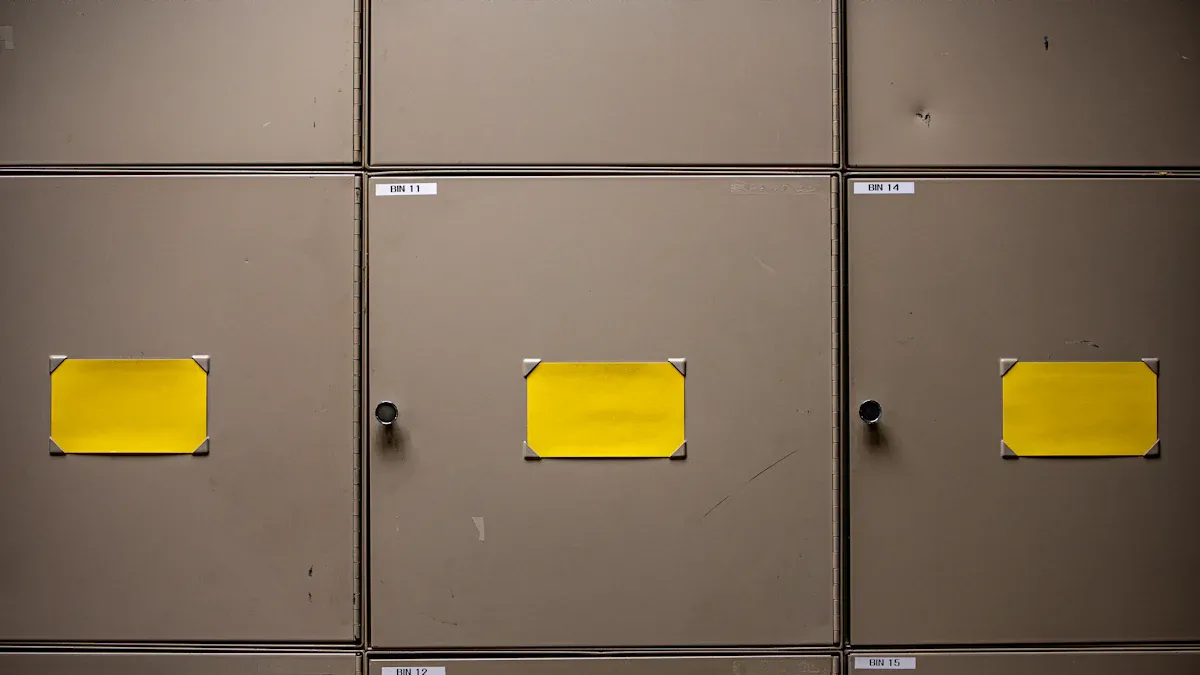
Fire Resistance and Construction Materials for Safety
You need to focus on fire resistance when you select a safety cabinet. The right construction materials protect your team and your facility. Double-walled steel and rock wool insulation give you strong fire protection. These materials can resist fire for up to 90 minutes. You should look for cabinets that meet safety standards and have a high fire resistance rating.
Here is a table that shows the best materials for fire resistance:
| Material Type | Fire Resistance Rating | Notes |
|---|---|---|
| Type 90 Cabinets | 90 minutes | Preferred for their high fire resistance. |
| Double-layer steel | 30–90 minutes | Includes a 38 mm fire-insulating layer. |
| Rock wool insulation | 90 minutes | Certified non-combustible A2-s1-d0. |
You must check that your safety cabinet uses at least No. 18 gage sheet iron. The cabinet should have double walls with 1.5 inches of airspace. Joints need to be riveted, welded, or made tight by effective means. The door must have a three-point lock and a sill raised at least 2 inches above the bottom. These features help you meet OSHA and safety standards.
Tip: High-quality cabinets protect lives and reduce the risk of hazardous accidents.
Proper Labeling and Identification for Flammable Cabinets
You must label your safety cabinet clearly. Labels warn your team about hazardous chemicals inside. Use bright, visible labels that say “Flammable – Keep Fire Away.” Place labels at eye level so everyone can see them. Proper labeling helps you follow safety standards and keeps your workplace safe.
You should also identify your liquids and materials. Check the flash points and boiling points. Segregate materials by hazard class. This step prevents dangerous chemical reactions. Group materials by hazmat classifications, such as 3, 4, 5, 6, 7, or 8. Always use the right cabinet for each type of chemical storage, including corrosive cabinet options for acids or bases.
Note: Clear identification and labeling are key parts of how to choose the right safety cabinet for flammables: key features and requirements.
Ventilation and Grounding for Flammable Safety
You must consider ventilation when you choose a safety cabinet. Good ventilation prevents vapor buildup and keeps air quality safe. Local fire codes and safety standards may require vented cabinets. Ventilation is important when you store large amounts of flammable materials or use cabinets in warm or poorly ventilated areas.
Follow these steps for proper safety cabinet venting:
- Draw air from the top opening and expel vapors through the bottom opening.
- Use rigid metal piping for venting. Avoid plastic pipes because they cannot handle high temperatures.
- Keep ductwork short. The total length should not exceed 25 feet.
You also need to ground your safety cabinet. Grounding prevents static electricity from causing sparks. Sparks can ignite flammable vapors. Always check ventilation requirements before you install your cabinet. Proper ventilation and grounding are essential parts of how to choose the right safety cabinet for flammables: key features and requirements.
Remember: Ventilation, grounding, and proper venting keep your team safe and help you meet all safety standards.
Here is a table of the most important features to consider:
| Feature | Description |
|---|---|
| Identify your liquids and materials | Determine flash points and boiling points to segregate materials. |
| Check the cabinet’s approval rating | Ensure compliance with FM, DOT, N, O, U, UL/ULC standards. |
| Contain flammable materials based on hazard class | Group materials by hazmat classifications (3, 4, 5, 6, 7, 8). |
| Cabinets should be designed to contain liquid spills | Use polyethylene trays for spill containment and corrosion protection. |
| Can the cabinet release flammable liquid vapor or fume? | Ensure proper sealing to prevent air entry and spontaneous ignition. |
| Choose self-closing flammable safety cabinets | Helps ensure the cabinet is closed, complying with state regulations. |
| Quality leads to safety | Invest in high-quality cabinets to protect lives. |
You must use all these key features and requirements when you decide how to choose the right safety cabinet for flammables: key features and requirements. This approach keeps your workplace safe and compliant.
Spill Containment and Leak-Proof Sumps
You need to protect your workplace from spills and leaks when you store flammable liquids. Spill containment is a critical feature in every safety cabinet. Leak-proof sumps collect spilled liquids and prevent them from spreading. You should always choose cabinets with sumps that meet safety standards. These sumps keep your facility safe and help you avoid dangerous accidents.
You must use approved containers, such as metal safety cans, for small amounts of flammable liquids. Store these containers inside a safety cabinet that is rated for flammable storage. Never place flammable liquids on the floor or near ignition sources. You should not exceed 55 gallons in storage. Always label your cabinets with clear warnings.
Secondary containment is important for preventing spills from reaching the environment. Polyethylene trays inside cabinets provide extra protection. These trays resist corrosion and make cleaning easier. You must keep flammable chemicals away from incompatible substances. Follow chemical compatibility guidelines to maintain safe storage distances.
Here are best practices for spill containment:
- Use leak-proof sumps in every safety cabinet.
- Place approved containers inside cabinets for flammable liquids.
- Keep flammable chemicals away from electrical outlets and ignition sources.
- Avoid hot work activities near cabinets.
- Maintain a safe distance for smoking areas from flammable storage.
- Follow chemical compatibility guidelines for safe storage.
You need to check that your cabinet has proper ventilation. Ventilation prevents vapor buildup and keeps air quality safe. Venting is important when you store large amounts of flammable materials. You must also consider secondary containment to protect against leaks. If you store acids or bases, use a corrosive cabinet with a leak-proof sump.
Tip: Regularly inspect your cabinets for leaks and spills. Clean sumps and trays to maintain safety.
A leak-proof sump helps you comply with OSHA regulations. It also protects your team from fire hazards. Spill containment and secondary containment are essential for safe storage.
Locking Mechanisms and Security Features
You must secure your safety cabinet to prevent unauthorized access. Locking mechanisms protect flammable materials from theft and misuse. Choose cabinets with three-point locks for extra security. These locks secure the top, bottom, and side of the door. You should also look for cabinets with self-closing doors. Self-closing doors help you meet safety standards and keep your workplace safe.
Security features include tamper-resistant locks and reinforced hinges. You need to check that your cabinet has a strong locking system. Some cabinets use padlocks or electronic locks for added protection. Always train your team to lock cabinets after use.
Here is a table showing common security features:
| Security Feature | Description |
|---|---|
| Three-point locking | Secures door at three points for safety |
| Tamper-resistant locks | Prevents unauthorized access |
| Self-closing doors | Closes automatically to reduce fire risk |
| Reinforced hinges | Adds strength and durability |
| Electronic locks | Offers advanced access control |
You must keep your cabinets locked at all times. Security features protect your flammable materials and help you comply with safety standards. Proper locking mechanisms reduce the risk of fire and keep your facility safe.
Note: Always check your cabinet’s locking system during routine inspections. Replace damaged locks to maintain security.
Ventilation also plays a role in security. Proper ventilation prevents vapor buildup and keeps your cabinet safe. You must follow all guidelines for venting and secondary containment. These steps help you protect your team and your workplace.
Capacity and Size Selection for Flammable Safety Cabinets
Assessing Storage Needs for Flammable Materials
You need to start by understanding how much flammable material you store. The flash point and boiling point of each chemical affect your storage requirements. Local regulations set the maximum allowable quantity for flammable liquids. For example, OSHA rules limit a single cabinet to 60 gallons of certain flammable liquids or 120 gallons of others. The fire marshal decides how many cabinets you can use based on safety criteria. You must check your chemical storage needs before you select a safety cabinet.
- Review the flash point and boiling point of each chemical.
- Check local regulations for maximum allowable quantity.
- Ask the fire marshal about the number of cabinets allowed.
- Make sure your storage meets all safety requirements.
Matching Safety Cabinet Size to Inventory
You must match the size of your safety cabinet to your inventory. If you store only a few gallons, a small cabinet works well. This size holds the amount you use in a day or two. When your inventory exceeds 110 gallons in barrels or totes, you need a locker for bulk containers. You must choose cabinets that fit your daily use and keep your workplace safe.
- Use a small cabinet for daily or short-term storage.
- Select a locker for bulk storage over 110 gallons.
- Make sure your cabinet provides proper containment and secondary containment.
Tip: Always check your inventory before you buy new cabinets. This step prevents overcrowding and keeps your chemical storage safe.
Planning for Future Flammable Storage Expansion
You need to plan for future expansion of flammable storage. Use corrosion-resistant, airtight containers with clear labels to prevent confusion. Ensure proper ventilation and keep storage temperatures below the flash point. Store flammable materials in fire-resistant areas away from ignition sources. Equip storage areas with fire safety equipment and train your team on emergency protocols. Conduct regular inspections for leaks and check all safety equipment.
- Use proper containers and labels.
- Ensure ventilation and temperature control.
- Store materials in safe locations.
- Equip areas with fire safety tools.
- Inspect cabinets and maintain containment and secondary containment.
Note: Planning ahead helps you avoid hazardous situations and keeps your workplace safe.
Location and Installation of Flammable Safety Cabinets
Safe Placement and Accessibility
You must choose the right spot for your safety cabinet to keep your workplace safe. Place the cabinet on a stable surface and keep it at least three feet away from any ignition source. Never put the cabinet next to machines that create heat, like autoclaves or furnaces. Make sure the cabinet does not block exit routes or emergency equipment. The table below shows the best practices for safe placement:
| Recommendation | Description |
|---|---|
| Keep Distance from Ignition Sources | Place at least three feet from any potential ignition source. |
| Avoid Constant Heat | Do not place next to machines that generate heat. |
| Keep Egress Routes Clear | Never block exit routes or emergency equipment with the cabinet. |
You should also keep the cabinet away from electrical panels, outlets, and areas where welding or smoking happens. Always ground the cabinet, especially when you dispense Class 1 flammable liquids. Cabinets with self-closing doors add another layer of safety. These doors close automatically if a fire starts.
Installation Best Practices for Safety
You need to follow best practices when you install cabinets. Place cabinets where you can reach them easily but not in busy walkways. Make sure the floor is level to prevent tipping. Good ventilation helps control vapors and keeps air clean. You should not install cabinets near windows or direct sunlight. If you store acids or bases, use a corrosive cabinet with proper containment and ventilation. Always check that the cabinet is secure and cannot move during use.
Tip: Secure cabinets to the wall or floor if you work in an area with heavy traffic or vibration.
Emergency Response Considerations
You must include your safety cabinet in your emergency response plan. Place clear signs to show where cabinets and escape routes are. Make sure cabinets do not block exits or emergency gear. Connect your fire cabinets to your fire alarm system and include them in evacuation plans. Always follow OSHA and NFPA rules for safe storage of hazardous materials. Good containment and ventilation help protect your team during emergencies.
- Add clear signage for cabinet locations and escape routes.
- Keep cabinets away from exits and emergency equipment.
- Link cabinets to fire alarms and evacuation plans.
- Follow all OSHA and NFPA safety standards.
Maintenance and Inspection of Flammable Safety Cabinets

Routine Safety Inspection Checklist
You need to inspect your safety cabinet often to keep your workplace safe. Check the cabinet at least once a month. Look for any damage or signs of wear. Make sure the self-closing doors and automatic latches work every time. Test the locking mechanisms to see if they keep the cabinet secure. Clear any blockages from ventilation ports. Store flammable materials only in cabinets that meet OSHA and NFPA standards. Use hazmat placards and train your team on safe handling. These steps help you prevent fire risks and keep your team safe.
- Inspect for dents, rust, or leaks.
- Test self-closing doors and latches.
- Check that locks work properly.
- Clear ventilation ports.
- Confirm labels are easy to read.
Tip: Regular inspections help you spot problems before they become safety hazards.
Cleaning and Upkeep for Flammable Cabinets
You must keep your cabinets clean to protect your team and your equipment. Clean from top to bottom and move from clean areas to dirty ones. This method stops dirt from spreading. Use 70% isopropyl alcohol for most cleaning jobs. It kills many germs and dries fast without leaving residue. For tough stains or special hazards, use stronger disinfectants. Clean cabinets often to remove spills and dust. Regular cleaning keeps your safety cabinet working well and helps it last longer.
| Cleaning Method | Description |
|---|---|
| Top-to-bottom, clean-to-dirty | Prevents spreading contaminants during cleaning. |
| 70% isopropyl alcohol | Kills many germs, dries quickly, and leaves no residue. |
| Stronger disinfectants | Use for stubborn stains or special hazards. |
Note: Clean cabinets protect workers from biological hazards and keep your workplace safe.
Recordkeeping and Documentation for Compliance
You need to keep good records to show you follow safety rules. Start by learning about OSHA 1926.152 and NFPA 30. Set a schedule for inspections, such as monthly or quarterly. Write down each inspection and what you checked. Look for damage, check labels, and test door seals and latches. Inspect ventilation openings and make sure nothing blocks them. Check inside for spills and proper storage. If your cabinet needs grounding, verify the connection. Good records help you prove compliance and keep your team safe.
- Learn the main safety regulations.
- Set up a regular inspection schedule.
- Record each inspection and what you checked.
- Inspect for damage, labels, and working parts.
- Check ventilation and grounding if needed.
Keeping records helps you stay ready for audits and keeps your workplace safe from fire and chemical hazards. If you use a corrosive cabinet, follow the same steps for cleaning and inspection.
Common Mistakes When Choosing Flammable Safety Cabinets
Overlooking Updated Safety Regulations
You may think your cabinet meets all rules, but safety standards change often. Many labs treat certification as a yearly task, but this is only the minimum. You should check for updates after any repairs, moves, or changes in use. Some organizations wait until problems happen before updating their cabinets. This delay can put your team at risk. You must follow the latest rules for certification and installation. Failing to comply with legal regulations can lead to fines and unsafe conditions. Always check for new requirements each year and after any major changes.
Tip: Set reminders to review safety cabinet certifications at least once every 12 months or after any big changes.
Ignoring Key Features and Requirements
You need to understand the differences between cabinet types. Many people skip important features when they choose a cabinet. Some forget about fire-resistant design, which protects your team if a spark happens near flammable materials. Others ignore chemical resistance and spill containment. Cabinets should have surfaces that resist corrosion and trays to catch leaks. Adjustable shelving with clear load limits helps prevent accidents from overloading. Proper ventilation keeps fumes from building up, especially with volatile chemicals. Skipping these features can lead to dangerous mistakes.
Here are common mistakes you should avoid:
- Mixing incompatible chemicals without proper segregation.
- Skipping approved storage cabinets and spill containment.
- Ignoring quantity limits and indoor storage caps.
- Inadequate labeling, training, and access controls.
- Neglecting ventilation and ignition source controls.
If you store acids or bases, use a corrosive cabinet with the right features for chemical resistance.
Improper Sizing or Placement of Safety Cabinets
You must choose the right size and location for your cabinet. Improper sizing can cause overcrowding or leave chemicals unprotected. Placing cabinets on wooden pallets increases fire hazards. Cabinets that block exit paths make emergency evacuations harder. If you put cabinets near flames or heat, you expose flammable chemicals to ignition sources. Always keep cabinets away from exits and ignition sources. Check that your cabinet fits your storage needs and does not block escape routes.
| Risk Type | Description |
|---|---|
| Increased Fire Hazards | Storing on wood can lead to ignition and fire spread. |
| Emergency Evacuation Difficulty | Blocking exits complicates evacuation during a fire. |
| Exposure to Ignition Sources | Poor placement exposes chemicals to flames or sparks. |
Note: Careful planning of cabinet size and placement keeps your workplace safe.
Neglecting Maintenance and Inspections
You might think your safety cabinet will always work as intended, but regular maintenance and inspections are essential. If you skip these steps, you put your team and workplace at risk. Over time, doors can stop closing properly, locks may fail, and labels can fade. Spills or leaks may go unnoticed, especially if you do not check the sump or shelves often. Dust and debris can block ventilation, making it harder for fumes to escape.
When you neglect maintenance and inspections, you face serious consequences:
- Fines can result if your cabinets do not meet OSHA or NFPA rules.
- Fire risks increase when flammable liquids are not stored correctly.
- Work stoppages may happen if authorities find safety violations.
- Legal issues can arise if an accident occurs due to poor upkeep.
- Insurance problems may follow, as claims can be denied if your cabinets fail to meet safety standards.
You need to set a schedule for checking your cabinets. Look for dents, rust, or broken parts. Test the self-closing doors and locking mechanisms. Make sure labels are clear and easy to read. Clean the inside and outside of the cabinet, and check the ventilation ports for blockages. If you use a corrosive cabinet, pay extra attention to corrosion or leaks, since these can weaken the structure.
A good inspection routine helps you spot problems early. You can fix small issues before they become big hazards. Regular maintenance keeps your safety equipment ready for emergencies. By taking care of your flammable storage, you protect your team, your facility, and your business.
You can keep your workplace safe by choosing the right safety cabinet for flammable materials. Always check that cabinets have clear labels, self-closing doors, and proper grounding. Use a checklist to make sure you meet all requirements:
- Mark cabinets with ‘Flammable-Keep Fire Away‘
- Vent cabinets into a fume hood or exhaust system if needed
- Confirm doors latch properly and have no unauthorized changes
- Inspect safety cans for leaks and flame arresters
- Place cabinets in safe locations and ground them
- Choose the correct size for your lab type
- Use a corrosive cabinet for acids and bases
Regular inspections and good recordkeeping help you stay compliant and ready for emergencies.
FAQ
What is a flammable safety cabinet?
You use a flammable safety cabinet to store chemicals that can catch fire easily. This cabinet keeps dangerous liquids away from heat and helps prevent fires in your workplace.
How often should you inspect your safety cabinet?
You should check your cabinet at least once a month. Look for damage, leaks, or broken locks. Regular inspections help you find problems before they become serious.
Do you need to vent a flammable safety cabinet?
You may need to vent your cabinet if local fire codes require it. Venting helps remove dangerous vapors. Always follow your local rules and ask your safety officer if you are not sure.
Can you store acids and bases in the same cabinet as flammables?
You should not store acids and bases with flammable liquids. These chemicals can react and cause dangerous situations. Use a separate cabinet for acids and bases.
What labels must you put on a flammable safety cabinet?
You must place a clear label that says “Flammable – Keep Fire Away” on the cabinet. This label warns everyone about the danger and helps keep your workplace safe.


