

Choosing the right cabinet protects you and your lab. You need to focus on features that keep gas cylinders safe. Many guidelines highlight these important points:
- Cabinets must use fire-resistant materials and meet safety standards.
- Always store cylinders upright and secure them to avoid tipping.
- Clear labeling helps you identify hazards quickly.
- Good ventilation and leak detectors keep air safe.
- Regular inspections find problems early.
- Training prepares you for emergencies.
Gas Cylinder Cabinet Selection: Key Features for Safe Laboratory and Industrial Storage keeps your work environment secure.
Gas Cylinder Cabinet Selection: Key Features for Safe Laboratory and Industrial Storage
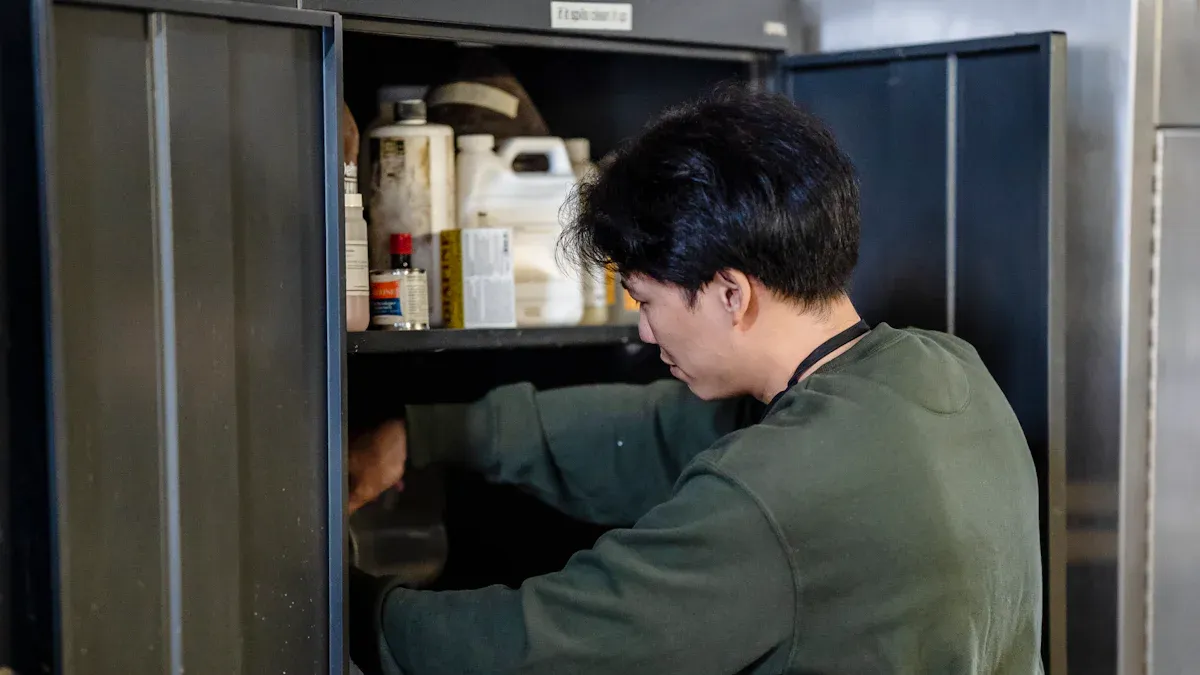
Fire Resistance
You need to protect your lab from fire hazards. Gas Cylinder Cabinet Selection: Key Features for Safe Laboratory and Industrial Storage starts with fire resistance. Cabinets must withstand high temperatures and keep gas cylinders safe. Fire-resistant cabinets slow down heat transfer and give you more time to respond during emergencies. You can see the recommended fire resistance ratings in the table below:
| Fire Resistance Rating | Duration | Description |
|---|---|---|
| 30 minutes | 30 min | Passive fire resistance and leakage containment |
| 60 minutes | 60 min | Maintains internal temperature below ignition point |
| 90 minutes | 90 min | Supports firefighting and emergency response efforts |
Choose a cabinet with the right fire resistance for your lab. Longer durations help protect cylinders and give firefighters more time to act. You should always check local codes and standards before making your choice.
Tip: Fire-resistant cabinets help prevent explosions and leaks during a fire. You can reduce risks and keep your lab safe.
Ventilation and Filtration
Gas Cylinder Cabinet Selection: Key Features for Safe Laboratory and Industrial Storage also focuses on ventilation and filtration. Proper ventilation keeps dangerous gases from building up inside the cabinet. You need to follow strict standards to make sure your cabinet works well.
- Cabinets must use at least 12 gauge steel and have a corrosion-resistant coating.
- Makeup air inlets allow air to circulate when access ports are closed.
- Exhaust ventilation keeps the cabinet at negative pressure compared to the room.
- Airflow at open access points should be between 1 to 1.5 meters per second, with a minimum of 0.75 meters per second anywhere.
- Exhaust systems must use noncombustible materials and follow building and fire codes.
- Ventilation monitors measure exhaust performance and sound alarms if airflow drops.
You can see how proper ventilation helps your lab:
- Ventilation removes harmful odors and ignitable gases when you open the cabinet.
- Fresh air comes in from outside, letting heavier vapors escape and stopping gas buildup.
- Controlled airflow prevents the cabinet from creating a vacuum that could pull air from the lab, especially during a fire.
Note: Good ventilation and filtration protect you from dangerous gases. You should always check airflow and monitor ventilation systems.
Secure Locking Mechanisms
Gas Cylinder Cabinet Selection: Key Features for Safe Laboratory and Industrial Storage includes secure locking mechanisms. You must keep gas cylinders safe from unauthorized access. Secure locks prevent accidents and theft.
| Locking Mechanism | Description |
|---|---|
| Standard Key Lock | Traditional locking method for security |
| Advanced Digital Lock | Enhanced security with digital access |
You can improve security by following these steps:
- Use a high-quality, weather-resistant padlock or combination lock.
- Choose cabinets made of steel with reinforced doors and hinges.
- Install tamper-proof hinges or weld hinge pins.
- Add a locking bar across the doors.
- Inspect and maintain locks and cabinets regularly.
- Limit access to authorized personnel and keep a log.
- Install an alarm system for tampering.
- Use security cameras to monitor the area.
- Keep the area well-lit.
- Display warning signs about restricted access and hazardous materials.
- Train staff on security and emergency procedures.
- Conduct regular security audits.
Alert: Secure locking mechanisms protect your lab from accidents and unauthorized access. You should always check locks and train your staff.
Gas Cylinder Cabinet Selection: Key Features for Safe Laboratory and Industrial Storage helps you create a safer lab. You can prevent fires, control dangerous gases, and stop unauthorized access by choosing the right cabinet features.
Material Durability
You need cabinets that last and protect your lab. Material durability plays a big role in safety and maintenance. When you choose a cabinet made from strong materials, you help prevent hazards like fire and physical damage. Steel gives your cabinet high strength and load capacity. This means your cabinet can hold heavy gas cylinders without bending or breaking. Stainless steel works best in places where moisture or chemicals might cause rust. It resists corrosion and keeps your cabinet safe for a long time.
- Gas cylinder cabinets made from durable materials stand up to daily use.
- These cabinets protect against leaks and ruptures.
- You spend less time and money on repairs when you pick the right material.
If you want your storage to last, you should look for cabinets that use steel or stainless steel. Proper design also helps prevent corrosion and leaks. Gas Cylinder Cabinet Selection: Key Features for Safe Laboratory and Industrial Storage always includes a focus on material durability. You keep your lab safer and reduce maintenance needs when you choose wisely.
Tip: Check your cabinets often for signs of rust or damage. Replace any cabinet that shows wear to keep your lab safe.
Compliance with Safety Standards
You must follow safety standards to protect your lab and meet legal requirements. Compliance with safety standards helps you avoid fines and shutdowns. It also keeps everyone in your lab safe. Gas Cylinder Cabinet Selection: Key Features for Safe Laboratory and Industrial Storage means you pick cabinets that meet all rules and guidelines.
Here is how compliance helps you:
| Evidence | Description |
|---|---|
| Compliance ensures that laboratories meet statutory obligations and reduce liability. | You lower your legal risks by following the rules. |
| Legal and compliance standards in laboratory operations are fundamental to ensuring occupational health and safety. | You protect your team and your facility. |
| Non-compliance can lead to severe consequences such as financial penalties, operational shutdowns, and even legal action if negligence results in injury or harm. | You avoid costly problems by staying compliant. |
| Adhering to regulations significantly reduces an institution’s legal and financial risk. | You keep your lab running smoothly and safely. |
You should always check that your cabinets have the right certifications. Look for labels or documents that show your cabinet meets local and national standards. Regular inspections help you stay compliant and catch problems early.
Alert: Non-compliance can cost you money and put your lab at risk. Always choose cabinets that meet safety standards.
Visibility and Labeling
You need to know what is inside each cabinet at a glance. Clear labeling helps you avoid mix-ups and accidents. Gas Cylinder Cabinet Selection: Key Features for Safe Laboratory and Industrial Storage includes visibility and labeling as a top priority.
- Always label the contents of each gas cylinder cabinet.
- Use stencils, stamps, or tags for easy identification.
- Do not rely only on color because manufacturers use different color codes.
When you use clear labels, you help everyone in your lab stay safe. Labels make it easy to find the right cylinder during an emergency. They also help you follow safety rules and prevent dangerous mistakes.
Note: Check labels often and replace any that are hard to read or missing. Good labeling keeps your lab organized and safe.
Seismic Restraints
You need to think about earthquakes when you store gas cylinders. Seismic restraints keep your cylinders from falling or rolling during a quake. If you do not secure your cylinders, you put your lab and your team at risk.
Earthquakes can shake the ground and move heavy objects. Gas cylinders can tip over, block exits, or even explode if they hit something hard. You must use strong restraints to keep everyone safe.
The 1994 Northridge earthquake showed why seismic restraints matter. Many labs had problems because cylinders were not secured. Here is what happened:
- Unsecured gas cylinders fell and blocked doorways. People could not get out quickly.
- At CSU-Northridge, fires broke out. More than 50 gas cylinders exploded because they were not held in place.
- Experts recommend using both upper and lower restraints. These should be made from non-combustible materials. This setup keeps cylinders steady and reduces the chance of accidents.
You should check your cabinets for built-in seismic restraints. Some cabinets have straps or brackets that hold cylinders at the top and bottom. You can also add extra restraints if your area has a high earthquake risk.
Gas Cylinder Cabinet Selection: Key Features for Safe Laboratory and Industrial Storage always includes seismic safety. You protect your lab, your equipment, and your team when you use the right restraints.
Tip: Test your restraints often. Make sure they are tight and not worn out. Replace any damaged parts right away.
Why Safe Gas Cylinder Storage Matters
Risks of Improper Storage
You face serious risks when you do not store gas cylinders correctly. Gas cylinders hold gases under high pressure. If a cylinder falls or gets damaged, it can release gas suddenly. The cylinder may shoot across the room like a rocket. It can even break through walls. This can hurt people and damage your lab.
Fires and explosions are also possible. Some gases, like propane or LPG, catch fire easily. If a leak happens near a spark, you could see a fire or even an explosion. You must also think about injuries from moving or handling heavy cylinders. Their size and weight make them hard to control. You can get hurt if you drop one or if it tips over.
Note: Many accidents happen because people do not follow safe storage rules. You can prevent most of these dangers by using the right cabinets and safety steps.
Real Lab Incident: What Went Wrong
Accidents with gas cylinders happen more often than you might think. Since 2001, chemical labs in the United States have seen over 260 accidents involving gas cylinders. Many of these incidents caused injuries. School labs have had a large share of these accidents, showing that everyone needs better safety habits.
Here are some common reasons why things go wrong:
- Safety systems break down.
- People do not talk clearly or share important information.
- Workers do not get enough training.
- Procedures are not followed.
- Contractors do not get proper instructions.
- Language barriers cause confusion.
- Emergency plans are unclear.
- No one is in charge of safety checks.
You can learn from these mistakes. Good maintenance and clear training help keep your lab safe. Make sure vents and cabinets work well and stay dry. Teach your team about the dangers of each gas. Always have a clear emergency plan and someone responsible for safety.
Tip: Regular checks and training can stop accidents before they start. Stay alert and keep safety first every day.
Real Lab Stories: Gas Cylinder Cabinet Features in Action

Fire-Resistant Cabinets Preventing Disaster
You can learn a lot from what happened at a university chemistry lab in Texas. One night, a small fire started in a storage room. The fire alarm went off, and firefighters arrived quickly. The gas cylinders sat inside a cabinet with a 90-minute fire resistance rating. The cabinet kept the flames away from the cylinders. Firefighters put out the fire before it spread. The gas cylinders stayed safe. No one got hurt, and the lab reopened soon after.
Tip: Fire-resistant cabinets give you extra time to react. You protect your lab and your team from explosions.
Ventilation and Filtration Saving the Day
You might think leaks never happen, but they do. In a biotech lab in California, a researcher noticed a strange smell near the gas storage area. The cabinet’s ventilation system turned on an alarm. The exhaust fan pulled the leaking gas out of the cabinet. The air monitor showed safe levels in the room. The team fixed the leak before anyone got sick.
- Ventilation systems remove dangerous gases.
- Filtration keeps the air clean for everyone.
Alert: Always check your ventilation system. It can save lives if a leak happens.
Secure Locking Avoids Unauthorized Access
You need to keep your gas cylinders safe from theft or tampering. In one hospital, a worker tried to take a cylinder without permission. The cabinet had a digital lock and an alarm. The lock stopped the worker. The alarm called security. The hospital avoided a dangerous situation.
| Security Feature | Result |
|---|---|
| Digital Lock | Stopped unauthorized use |
| Alarm System | Alerted security staff |
Note: Secure locks and alarms protect your lab from accidents and theft. Only trained people should handle gas cylinders.
Durable Materials Withstanding Daily Wear
You use your gas cylinder cabinets every day. Strong materials help your cabinets last longer and keep your lab safe. Steel and stainless steel resist dents, scratches, and rust. These materials protect your cylinders from bumps and spills. You do not want a cabinet that bends or breaks when you move heavy cylinders. Stainless steel works well in wet or chemical areas because it does not corrode easily.
- Steel cabinets handle rough treatment and daily use.
- Stainless steel resists rust and chemical damage.
- Durable cabinets lower your repair costs.
Tip: Check your cabinets for dents, rust, or loose parts. Replace damaged cabinets right away to keep your lab safe.
Compliance Checks Catching Hidden Risks
You might not see every risk in your lab. Regular compliance checks help you find hidden dangers before they cause problems. Audits use checklists to make sure you follow safety rules. You can spot small issues early and fix them fast.
| Audit Practice | Description |
|---|---|
| Establish an Audit Schedule | Regular self-assessments prevent small issues from escalating into larger risks. |
| Use Standardized Checklists | Ensures thoroughness in audits by covering all necessary aspects of gas cylinder safety. |
| Track Corrective Actions | Logs non-conformances to ensure accountability and resolution of identified risks. |
| Prepare for External Inspections | Maintains readiness for regulatory inspections, showcasing compliance and proactive risk management. |
You should keep records of your checks and repairs. This helps you stay ready for outside inspections. When you follow a schedule, you keep your lab safe and avoid fines.
Alert: Regular audits catch problems you might miss. Stay ahead by checking your cabinets often.
Clear Labeling Reducing Confusion
You need to know what is inside each cabinet at a glance. Clear labels help you avoid mistakes and keep everyone safe. Use large, easy-to-read labels on every cabinet. Do not rely only on color codes because they can change between suppliers.
- Write the gas name and hazard on each label.
- Place labels where you can see them quickly.
- Replace faded or missing labels right away.
Note: Good labeling helps you act fast in an emergency. You protect your team by making sure everyone knows what is stored where.
Seismic Restraints in Earthquake Zones
You live or work in an area where earthquakes can happen. You must protect your gas cylinders from shaking and falling. Seismic restraints help you keep cylinders safe during an earthquake. These restraints hold cylinders in place so they do not tip over or roll across the floor.
Earthquakes can cause big problems in labs. Gas cylinders can block exits or break open if they fall. You can see how seismic restraints make a difference:
- Straps or brackets keep cylinders upright.
- Cabinets with built-in restraints stop cylinders from moving.
- Extra restraints add safety in high-risk zones.
You should check your cabinet for these features. Many cabinets use strong steel brackets or heavy-duty straps. Some cabinets have both upper and lower restraints. This setup gives you more protection.
Here is a table showing types of seismic restraints and their benefits:
| Restraint Type | How It Works | Benefit |
|---|---|---|
| Steel Brackets | Hold cylinders at top/bottom | Prevent tipping and rolling |
| Heavy-Duty Straps | Secure cylinders tightly | Absorb shaking and movement |
| Anchor Bolts | Fix cabinet to floor/wall | Stop cabinet from sliding |
You need to test restraints often. Make sure straps are tight and brackets are not loose. Replace any worn parts right away. You can also anchor cabinets to the floor or wall for extra safety.
Tip: If you work in an earthquake zone, always use both upper and lower restraints. You protect your lab and your team from accidents.
You keep your lab safe when you use seismic restraints. You prevent injuries and damage. You show that you care about safety in every situation.
How to Assess and Choose the Right Gas Cylinder Cabinet
Step-by-Step Selection Checklist
You can follow a simple checklist to choose the best gas cylinder cabinet for your lab or workplace. This helps you stay safe and meet all rules.
- Identify the types of gases you store and their hazards.
- Check the size and number of cylinders you need to store.
- Review your local fire and safety codes.
- Look for cabinets with the right fire resistance rating.
- Make sure the cabinet has good ventilation and filtration.
- Choose cabinets with secure locking mechanisms.
- Inspect the material for durability and corrosion resistance.
- Confirm the cabinet meets OSHA and NFPA 55 standards.
- Check for clear labeling and visibility features.
- Ensure the cabinet has seismic restraints if you are in an earthquake zone.
- Plan for regular inspections and maintenance.
Tip: Use this checklist every time you buy or upgrade a cabinet. You will reduce risks and keep your team safe.
Matching Cabinet Features to Your Lab or Industrial Needs
You need to match cabinet features to your specific needs. Labs and industries have different requirements. The table below shows how you can pick the right features:
| Feature | Description |
|---|---|
| Customized Solutions | Tailor cabinets to your needs for safety and compliance. |
| Diverse Configurations | Choose indoor or outdoor models for your space. |
| Heavy Duty Construction | Pick strong cabinets for busy or harsh environments. |
| Compliance | Make sure cabinets meet OSHA and NFPA 55 rules. |
| Adjustable Chains | Secure cylinders of different sizes. |
| Corrosion Resistant Coating | Protect cabinets from rust and chemicals. |
| Fire-rated Models | Select cabinets with up to 2-hour fire resistance for extra safety. |
| Lockable Doors | Add security to prevent unauthorized access. |
| Custom Design | Request special features for unique situations. |
Note: Always think about where you will use the cabinet and what gases you will store.
Applying Lessons from Real Lab Stories
You can learn from real lab stories to make better choices. Here are important lessons:
- Identify gas types and know their hazards before you buy a cabinet.
- Learn cylinder color codes to avoid confusion.
- Make sure cabinets fit cylinders with caps and safety valves.
- Store cylinders upright in well-ventilated cabinets.
- Choose cabinets that help you move and handle cylinders safely.
- Pick cabinets that allow quick access to emergency procedures.
Alert: Real stories show that good planning and the right features prevent accidents. Use these lessons to protect your lab and your team.
You must focus on fire resistance, ventilation, secure locks, durable materials, compliance, clear labeling, and seismic restraints when choosing a gas cylinder cabinet. Review your storage solutions often and upgrade them as needed.
- Use the checklist to guide your decisions.
- Learn from real lab stories to avoid mistakes.
Tip: Safe storage protects your team and your lab. Stay alert and keep improving your safety practices.
FAQ
What is the most important feature in a gas cylinder cabinet?
You need to focus on fire resistance. This feature protects your lab during emergencies. Cabinets with high fire ratings keep gas cylinders safe and give you more time to respond.
How often should you inspect gas cylinder cabinets?
You should inspect cabinets every month. Look for signs of damage, rust, or loose restraints. Regular checks help you catch problems early and keep your lab safe.
Can you store different gases in the same cabinet?
You should not mix incompatible gases. Always check safety guidelines. Use clear labels to identify each gas. This prevents dangerous reactions and keeps your team safe.
What should you do if you find a leak in your cabinet?
You must evacuate the area right away. Alert your supervisor and follow emergency procedures. Do not try to fix the leak yourself. Safety comes first.


