

When you store flammable liquids at work, you must use cabinets with strong safety features. These features help stop fires and keep everyone safe. Flammable Materials Cabinets: Essential Safety Features and Compliance Requirements matter because laws require double-walled steel, fire-resistant insulation, spill containment sills, and warning labels. If you ignore these rules, you risk dangerous fires and legal trouble. Here’s a quick look at common legal requirements:
| Requirement Type | Details |
|---|---|
| Construction | Double-walled steel, fire-resistant insulation |
| Fire Resistance | Withstands fire at 1,400°F for 10 minutes |
| Spill Containment | Sills hold leaks up to 2 inches deep |
| Labeling | “FLAMMABLE—KEEP FIRE AWAY” warning signs |
| Placement | At least 3 feet from exits and electrical panels |
| Regulatory Standards | OSHA 1910.106, NFPA 30 compliance |
Flammable Materials Cabinets: Essential Safety Features and Compliance Requirements

Double-Walled Steel Construction and Fire Resistance
You need to choose cabinets with strong double-walled steel construction. This feature protects you and your workplace from fire hazards. The walls use steel at least 18-gauge thick, which means the cabinet can handle tough conditions. Between the two steel walls, there is an air gap of about 1.5 inches (38 mm). This air gap acts as a shield, slowing down heat transfer if a fire starts outside the cabinet. You keep your chemicals safer for longer.
Tip: Always check for a label that shows the cabinet meets UL 1275 or FM 6050 standards. These labels prove the cabinet passed strict fire tests.
You can see how long different cabinets protect your materials in a fire:
| Rating Type | Fire Resistance Duration |
|---|---|
| Type 30 | 30 minutes |
| Type 60 | 60 minutes |
| Type 90 | 90 minutes |

When you follow Flammable Materials Cabinets: Essential Safety Features and Compliance Requirements, you make sure your cabinet can protect chemicals for up to 90 minutes. This extra time helps firefighters respond and keeps your building safer.
Self-Closing Doors for Fire Safety
You must use cabinets with self-closing doors. These doors close automatically, even if you forget. This feature keeps flammable vapors inside and blocks flames during a fire. Self-closing doors use special links that melt in high heat, so the doors shut tight when needed most.
- Self-closing doors stop human error. You do not have to remember to close the door.
- The doors seal off the cabinet, which keeps fire and vapors from spreading.
- Most safety rules, like NFPA and OSHA, require self-closing doors with strong latches.
Note: In many places, the law says you must have self-closing doors on your flammable materials cabinets. This rule keeps everyone safer and helps you avoid fines.
When you follow Flammable Materials Cabinets: Essential Safety Features and Compliance Requirements, you lower the risk of flash fires or explosions in your storage area.
Leak-Proof Sills and Spill Containment
You need cabinets with leak-proof sills at the bottom. These sills catch spills and leaks, so dangerous liquids do not spread across your floor. Safety standards say the sill must be at least 2 inches high, but some codes ask for even more.
| Requirement | IRC Minimum |
|---|---|
| Minimum Height | 24 inches |
A leak-proof base keeps your chemicals inside the cabinet, even if a container breaks. This feature protects you, your coworkers, and your building from slip hazards and fire risks.
Alert: Always check the sill height before you buy a cabinet. Make sure it meets the Flammable Materials Cabinets: Essential Safety Features and Compliance Requirements for your area.
When you use cabinets with proper spill containment, you show that you care about safety and follow the rules.
Proper Ventilation Options
You must think about ventilation when you use flammable materials cabinets. Good ventilation helps prevent dangerous vapor buildup inside the cabinet. If vapors collect, they can cause fires or explosions. You can choose from several ventilation options to keep your workplace safe:
- Dual vent openings at the top and bottom of the cabinet help balance airflow. This setup lets fresh air move in and out, which reduces vapor buildup.
- Each vent should be at least 2 inches wide. Removable bungs make it easy to connect the cabinet to an exhaust system if you need one.
- For high-volume storage, you should use an active exhaust system. This system connects to a safe outdoor discharge point, so harmful vapors leave the building.
- If you do not need ventilation, keep the bungs tightly in place. This step keeps the cabinet fire-resistant and stops flames from getting inside.
You must always check local rules before you change the ventilation on your cabinet. Some codes require venting, but others do not. When you follow Flammable Materials Cabinets: Essential Safety Features and Compliance Requirements, you make sure your cabinet protects both people and property.
Tip: Never drill extra holes in your cabinet. Only use the vents that the manufacturer provides. Extra holes can weaken fire protection.
Clear and Durable Labeling Requirements
Labels on your flammable materials cabinet do more than meet the law. They keep everyone safe by warning about the dangers inside. You must use clear and durable labels that stay readable, even in tough conditions. These labels help workers spot hazards quickly and remind everyone to handle chemicals with care.
Here are the main labeling requirements you need to follow:
| Requirement | Description |
|---|---|
| Labeling | Every cabinet must display a “FLAMMABLE—KEEP FIRE AWAY” label to alert workers to the hazards inside. |
| Labeling | Cabinets must be clearly marked with warning signs that identify their contents and hazards, including the label “Flammable – Keep Fire Away.” |
| Labeling | All flammable storage cabinets must display durable, weather-resistant warning labels on both exterior and interior surfaces, including hazard symbols and emergency instructions. |
Clear and durable labels give you instant visual warnings. This step helps prevent accidents and keeps your workplace in line with safety rules. Proper labeling also stops chemicals from reaching sensitive areas, which protects the environment and avoids costly cleanups.
- Labels must stay visible and readable at all times.
- You should check labels during regular inspections. Replace any that are faded or damaged.
- Good labels help you meet Flammable Materials Cabinets: Essential Safety Features and Compliance Requirements and avoid fines.
Alert: Never cover or remove warning labels. Missing labels can lead to accidents and legal problems.
Understanding Compliance: OSHA, NFPA, and Local Codes
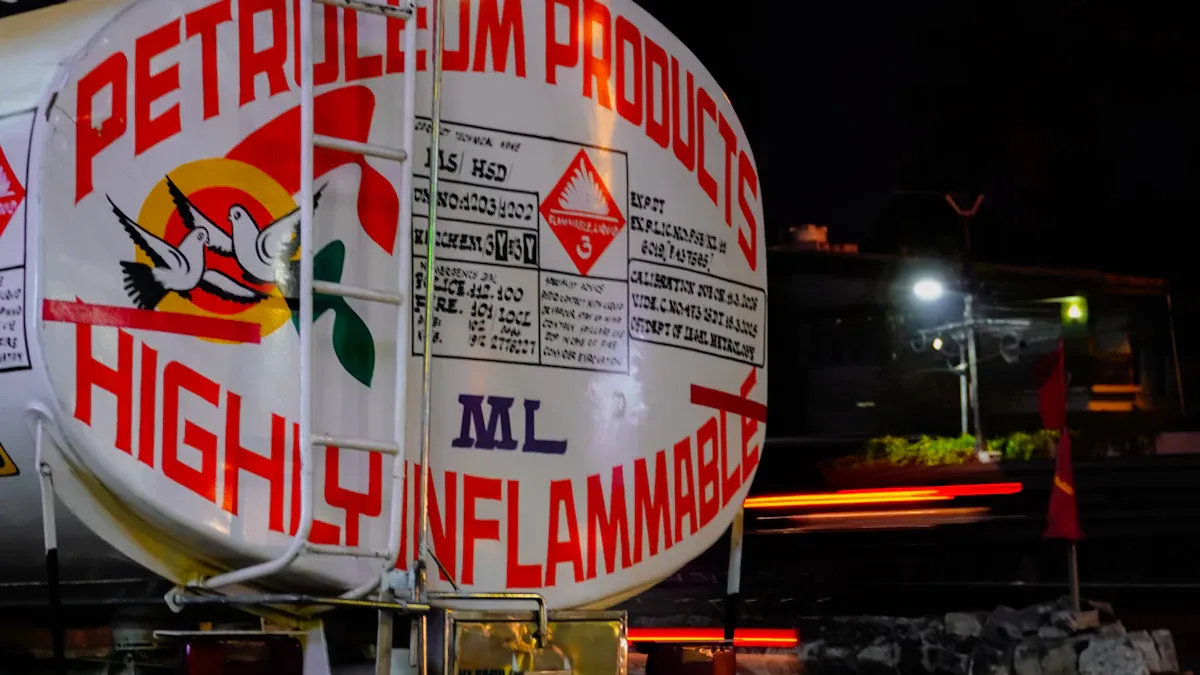
OSHA Storage Limits and Inspection Rules
You must follow OSHA rules when you store flammable liquids. OSHA sets strict limits to keep your workplace safe. If you store more than 25 gallons of Category 1 flammable liquids, you need a cabinet. For small labs, you can keep up to 60 gallons of flammable liquids in one cabinet. Larger storage areas allow up to 120 gallons. These limits help prevent overloading and reduce fire risks. You should always check local regulations and industry guidelines because they may set stricter limits.
- Cabinets are required for 25 gallons or more of Category 1 flammable liquids.
- Small labs: Maximum 60 gallons per cabinet.
- Large storage: Maximum 120 gallons per cabinet.
- Always consult local rules for extra requirements.
OSHA also requires regular inspections. You need to check your cabinets for damage, leaks, and missing labels. Inspections help you spot problems early and keep your storage safe.
Tip: Keep a log of your inspections. This record shows you follow safety rules and helps you avoid fines.
NFPA 30 Fire Resistance Standards
NFPA 30 sets the fire resistance standards for flammable materials cabinets. You must use cabinets made from strong materials and designed to protect your chemicals during a fire. The standards require double-walled steel, insulation, and self-closing doors.
| Requirement | Details |
|---|---|
| Construction Material | 10-gauge steel with double walls |
| Insulation | 1.5-inch airspace for insulation |
| Fire Resistance Duration | At least 10 minutes |
| Internal Temperature Limit | Below 325°F to prevent ignition |
| Labeling Requirement | Must display ‘FLAMMABLE—KEEP FIRE AWAY’ label |
| Door Mechanism | Self-closing doors with secure latching mechanisms |
You must store all Category I, II, or III flammable liquids in closed containers. Cabinets must keep internal temperatures below 325°F during a 10-minute fire test. These features protect your chemicals and give firefighters time to respond.
Local Fire Code Requirements
Local fire codes can add extra rules to national standards. You need to check with local authorities to see which regulations apply to your workplace. Some codes require cabinets to stay a certain distance from ignition sources. Others may ask for special containment measures or fire protection systems.
- Local codes may set distance requirements from ignition sources.
- Some codes require extra containment measures.
- Fire protection systems may be mandatory in certain areas.
- Always verify with local officials for your industry and location.
Alert: Local rules change often. You should review them regularly to stay compliant and keep your workplace safe.
Manufacturer Certification and Approved Labels
When you buy a flammable materials cabinet, you must check for proper certification and approved labels. These certifications show that the cabinet meets strict safety standards. You protect your workplace and follow the law when you choose certified cabinets.
Manufacturers must build cabinets to meet important standards. These standards come from both the United States and other countries. The table below shows the main certifications you should look for:
| Standard | Description |
|---|---|
| OSHA 29 CFR 1910.106 | U.S. federal regulation for flammable liquids storage |
| NFPA 30 | National Fire Protection Association standard for flammable and combustible liquids |
| FM Global Approval | Performance-based certification for fire resistance |
| EN 14470-1 | European standard for fire-resistant safety cabinets |
| ISO 3030 | Guidelines for design and testing of storage units |
You should always check that your cabinet meets these requirements:
- The cabinet must use 10-gauge steel with double walls.
- There should be a 1.5-inch airspace for insulation.
- The cabinet must resist fire for at least 10 minutes and keep the inside temperature below 325°F.
- You need clear labels that say “FLAMMABLE—KEEP FIRE AWAY.”
- Self-closing doors with strong latches are required.
To make sure your cabinet is safe, look for independent third-party certifications. You can find labels from Factory Mutual Global (FM) or Underwriters Laboratory (UL) on the cabinet. These labels mean the cabinet passed tough fire tests.
Tip: Always check the cabinet for a certification label before you use it. If you do not see a label from FM or UL, the cabinet may not meet safety rules.
You must also make sure the cabinet follows OSHA and NFPA 30 rules. These rules help keep you and your coworkers safe. When you see the right certification and approved labels, you know your cabinet can protect against fire and meet legal requirements.
How to Check If Your Flammable Materials Cabinet Is Compliant
Simple Compliance Checklist
You can use a compliance checklist to make sure your flammable materials cabinet meets all safety rules. This checklist helps you find problems before they cause accidents. It also keeps your workplace safe and organized.
| Checklist Category | Checklist Items |
|---|---|
| Retention requirements | Met? |
| Training documentation | Current? |
| Certifications/licenses | Valid? |
| Physical Inspection | Equipment in good condition? |
| Safety devices functional? | |
| Labeling and signage correct? | |
| Housekeeping adequate? | |
| Access and egress clear? | |
| Required PPE available? | |
| Compliance Verification | Regulatory requirements met? |
| Permits and approvals current? | |
| Procedures being followed? | |
| Monitoring systems adequate? | |
| Corrective action process effective? | |
| Hazard Assessment | Hazards identified and documented? |
| Control measures effective? | |
| Any new hazards identified? | |
| Recent incidents reviewed? | |
| Findings and Corrective Actions | All findings documented? |
| Priority levels assigned? | |
| Root cause analysis needed? | |
| Corrective actions assigned? | |
| Follow-up verification scheduled? | |
| Overall Status | Summary Notes |
Tip: Using a checklist helps you spot risks early and keeps everyone aware of safety rules. It also encourages your team to report hazards and follow safe practices.
Steps for Inspecting Your Cabinet
You should inspect your cabinet often. Regular checks help you catch problems before they become serious. Follow these steps for a complete inspection:
- Learn about the rules and standards for flammable cabinets.
- Set a schedule for regular inspections.
- Check the outside of the cabinet for damage or rust.
- Test door seals and latches to make sure they work.
- Look at ventilation openings and make sure they are clear.
- Inspect the inside for leaks, spills, or broken containers.
- Check the grounding connection if your cabinet has one.
- Write down your inspection results.
- Train your team on how to inspect and use the cabinet safely.
Alert: Frequent inspections turn safety into a habit, not just a one-time task. This helps lower accidents and keeps your workplace running smoothly.
What to Do If Your Cabinet Fails Inspection
If your cabinet does not pass inspection, you need to act fast. Follow these steps to fix the problems:
- Write down all issues you find during the inspection.
- List the actions you need to take to fix each problem.
- Make sure you follow all safety rules when making repairs.
- Assign priority levels to each issue.
- Decide if you need to find out why the problem happened.
- Assign someone to fix each issue.
- Plan a follow-up check to make sure everything is fixed.
Tip: Quick action keeps your workplace safe and helps you avoid fines or accidents.
Common Mistakes to Avoid with Flammable Materials Cabinets
Choosing the Wrong Size or Type
You need to match your cabinet to the amount and type of chemicals you store. Picking the wrong size or type can lead to safety problems and legal trouble. If you choose a cabinet that is too small, you might overload it. If you pick one that is too large, you waste space and money. Some people use single-wall or plastic cabinets for flammable liquids, but these do not meet safety standards.
| Category | Requirement | Common Mistake |
|---|---|---|
| Capacity & Size | Match to chemical volume; allow expansion | Oversizing or under-sizing cabinet for needs |
| Construction | Double-walled steel, self-closing door | Using single-wall or plastic cabinets |
| Spill Containment | Spill sill ≥ 2″, leak-proof base | Ignoring secondary containment requirements |
Tip: Always check OSHA and NFPA 30 rules before you buy a cabinet. The right size and type keep you safe and compliant.
Improper Installation or Placement
Where you put your cabinet matters. If you block exits or walkways, you make it hard for people to escape during a fire. Placing cabinets near ignition sources, like heaters or electrical panels, increases fire risk. Cabinets in high-traffic areas can get bumped or damaged, which may cause leaks or spills.
| Evidence | Explanation |
|---|---|
| Do not obstruct exits or walkways | Obstructing escape routes increases fire risk |
| Keep away from ignition sources | Reduces the chance of fire starting or spreading |
| Avoid high-traffic areas | Lowers the risk of accidental spills or damage |
Alert: Always install cabinets in safe, low-traffic spots, away from anything that could start a fire.
Overloading or Mixing Incompatible Materials
You must never overload your cabinet or mix chemicals that react with each other. Overloading can damage the cabinet and stop it from containing fires or spills. Storing incompatible substances, like oxidizers next to flammable solvents, can cause violent reactions, toxic gases, or even explosions.
- Mixing acids with flammable bases can ignite without a spark.
- Overloading undermines fire protection and spill containment.
- Violent reactions may produce intense heat or toxic fumes.
| Danger Type | Description |
|---|---|
| Compromised Safety Features | Overloading weakens fire and spill protection |
| Increased Risks | Raises danger to people and property, negating cabinet safety |
Note: Always check chemical compatibility and never use the spill containment area for extra storage. Safe storage protects everyone and keeps you within the law.
Skipping Regular Maintenance and Inspections
You might think your flammable materials cabinet will always work as designed. This is not true. If you skip regular maintenance and inspections, you put your safety at risk. Over time, cabinets can develop problems that you may not notice right away. Rust, broken seals, or missing labels can make your cabinet unsafe.
Alert: A cabinet that looks fine on the outside can hide serious problems inside. You must check it often to catch these issues early.
Here are some common problems you can find during inspections:
- Rust or corrosion on steel walls
- Damaged or loose door hinges and latches
- Worn or missing warning labels
- Leaks or spills in the containment area
- Blocked or missing ventilation bungs
If you do not fix these problems, your cabinet may fail during a fire or chemical spill. This can lead to injuries, property damage, or even legal trouble.
Why regular maintenance matters:
| Problem Found | What Can Happen | How Maintenance Helps |
|---|---|---|
| Rust or corrosion | Weakens fire resistance | Keeps cabinet strong |
| Broken seals/doors | Lets vapors or flames escape | Maintains safe closure |
| Faded labels | Hides hazards from workers | Ensures clear warnings |
| Leaks/spills | Increases slip and fire risks | Keeps area safe and clean |
You should set a schedule for inspections. Check your cabinet at least once a month. Clean up spills right away. Replace damaged parts as soon as you find them.
Tip: Keep a simple logbook. Write down each inspection date and any repairs you make. This helps you stay organized and shows you follow safety rules.
Regular maintenance and inspections keep your cabinet working as it should. You protect yourself, your coworkers, and your workplace.
You protect your workplace when you choose flammable materials cabinets with double-walled steel, self-closing doors, spill containment, and clear labels. Always follow inspection steps and use your cabinet as intended.
Regular inspections not only enhance workplace safety but also ensure adherence to local, state, and federal safety regulations, contributing to long-term safety assurance.
Documenting maintenance activities during inspections demonstrates compliance with safety regulations, which is essential for long-term operational efficiency.
Stay alert and make safety your top priority. You help keep people and property safe every day.
FAQ
What liquids must you store in a flammable materials cabinet?
You must store gasoline, acetone, ethanol, paint thinners, and other flammable liquids in a flammable materials cabinet. These liquids catch fire easily. Always check the label or safety data sheet for the flash point.
How often should you inspect your flammable materials cabinet?
You should inspect your cabinet at least once a month. Look for rust, leaks, broken seals, and faded labels. Regular checks help you find problems early and keep your workplace safe.
Can you store other chemicals with flammable liquids?
Alert: Never store acids, oxidizers, or corrosives with flammable liquids. Mixing these chemicals can cause dangerous reactions. Always separate incompatible materials to prevent accidents.
What should you do if a label on your cabinet fades or peels off?
Replace faded or damaged labels right away. Clear labels warn everyone about the hazards inside. You can order new labels from the cabinet manufacturer or a safety supply store.


