

You might wonder, “Do Flammable Storage Cabinets Need to Be Grounded? Electrical Safety Requirements Explained.” The answer depends on how you use the cabinet. If you plan to dispense or transfer flammable liquids, grounding becomes a crucial safety step. In other situations, regulations do not always require grounding. You should always check your specific needs and follow safety guidelines to keep your workplace safe.
Do Flammable Storage Cabinets Need to Be Grounded? Electrical Safety Requirements Explained

OSHA Standards on Grounding Flammable Cabinets
You may ask, “Do flammable storage cabinets need to be grounded? Electrical safety requirements explained” is a common question for anyone working with hazardous materials. OSHA does not require you to ground every flammable storage cabinet. The latest OSHA updates confirm that you do not need to ground cabinets unless your state or local fire codes say otherwise. You should always check your local rules before you set up your cabinet.
When you handle class 1 flammable liquids, OSHA does require you to bond and ground containers during dispensing flammable liquids. This step helps prevent static electricity from causing a fire. If you only use the cabinet for storage and do not open or transfer liquids, OSHA does not make grounding mandatory. You should still consider it as a best practice for extra safety.
Tip: Always review OSHA 29 CFR 1910.106(e)(6)(ii) if you plan to transfer or dispense flammable liquids from your cabinet.
NFPA Guidelines and Manufacturer Recommendations
The National Fire Protection Association (NFPA) gives clear advice on this topic. According to NFPA codes, you do not have to ground flammable storage cabinets when you use them for closed storage. If you plan to dispense flammable liquids, the NFPA suggests grounding for added safety. This advice helps you lower the risk of static sparks.
Manufacturers also offer helpful recommendations:
- Grounding of flammable storage cabinets is not required by federal law, but some manufacturers suggest it to reduce static electricity.
- Many cabinets come with a grounding screw. You can use this to connect the cabinet to a building ground.
- Bonding is important when you transfer class 1 flammable liquids between containers, not just for the cabinet itself.
You should always read the instructions from the cabinet manufacturer. These instructions help you follow the best safety steps for your workplace.
Other Codes and Industry Best Practices
You may still wonder, “Do flammable storage cabinets need to be grounded? Electrical safety requirements explained” is a question that industry experts hear often. Many safety professionals agree on a few best practices:
- Use the grounding lugs on your cabinet and connect them to a verified earth ground with a high-quality wire.
- Bond containers to the cabinet or ground them directly when dispensing flammable liquids. This step stops static buildup.
- Inspect grounding connections often. Make sure they stay secure and free from rust or damage.
- Train your team on proper grounding steps and why static control matters when handling flammable materials.
- Check your cabinet and its grounding system for wear or loose parts.
You should also know that many people ask if you must ground a flammable safety cabinet. There are no federal rules that say you must, but it is a smart safety step. When you transfer or dispense liquids, you must bond and ground to meet OSHA rules.
Note: Following these best practices helps you keep your workplace safe and meet the highest safety standards.
Do flammable storage cabinets need to be grounded? Electrical safety requirements explained in this section show that you must always check your local codes, follow OSHA and NFPA guidance, and use manufacturer tips. You should ground your cabinet when you handle class 1 flammable liquids or when you dispense flammable liquids. This step protects you, your team, and your facility from fire risks.
Grounding: When Is It Required for Flammable Storage Cabinets?
Mandatory Grounding During Dispensing or Transferring
You must follow grounding requirements when you dispense or transfer flammable liquids. This step protects you from fire hazards. When you pour or move liquids, static electricity can build up. If you do not ground the cabinet, a spark may ignite vapors. You can see the risks in the following block quote:
The transfer of flammable liquid from one container to another or splashing and turbulence of the liquid in the container creates friction between the liquid and the container. This can cause a buildup of static electricity (charge). If there are no means to drain the static electricity buildup, there is a risk that a sufficiently high electric potential difference (voltage) will develop to generate a spark, which may ignite the flammable vapors in the area causing a fire or explosion.
You should always ground the cabinet when you handle Class 1 flammable liquids. The table below shows when grounding is required or recommended:
| Condition | Requirement |
|---|---|
| Dispensing Class 1 flammable liquids | Grounding of the cabinet is required. |
| Dispensing Class 2 combustible liquids | Grounding is recommended if near or above flashpoint. |
When Grounding Is Not Needed
You do not need grounding for the cabinet if you only store flammable liquids and do not dispense or transfer them. If the cabinet stays closed and you do not open containers inside, you can skip grounding. You should still check local codes and manufacturer instructions. Some workplaces choose grounding for extra safety, but it is not required in these cases.
Practical Workplace Examples
You can see grounding in action in many workplaces. For example, a laboratory that dispenses solvents from a cabinet must use grounding. A paint shop that only stores unopened cans in a cabinet does not need grounding. If you transfer liquids, you must ground the cabinet. If you only store them, you can skip this step. Always review your process and follow safety guidelines.
Bonding and Grounding: Why These Practices Matter
Static Electricity and Fire Risks
You face real risks when you work with a flammable storage cabinet. Static electricity can build up during simple tasks. Pouring or pumping liquids creates friction, which leads to a static charge. If you do not control this, a static electrical discharge can cause dangerous ignition of vapors. Low humidity makes the build-up of static electricity even worse. You need to understand these risks to keep your workplace safe.
- Static electricity can create sparks that ignite flammable vapors.
- Activities like pouring or pumping liquids can generate static electricity, increasing fire risks.
- Low humidity enhances static electricity buildup, necessitating grounding measures.
How Bonding and Grounding Prevent Hazards
Bonding and grounding protect you from fire and explosion. When you bond containers and ground your cabinet, you give static electricity a safe path to leave the system. This step stops sparks before they start. You lower the risk of an explosion and keep your team safe. Studies and case reports show that grounding makes a real difference in safety and health.
| Evidence Type | Description |
|---|---|
| Study | Grounding has been shown to produce measurable differences in inflammatory markers, including white blood cells and cytokines, which are crucial in the immune response. |
| Case Study | In 20 case studies, grounding was confirmed to rapidly resolve chronic inflammation, as evidenced by medical infrared imaging. |
| Case Report | A specific case of an 84-year-old woman with a non-healing wound showed significant pain reduction and healing after daily grounding sessions, demonstrating practical effectiveness in a clinical scenario. |
You should always use bonding and grounding when you transfer flammable liquids. This practice keeps static charge from building up and causing a fire.
Regulatory Reasoning and Safety Logic
OSHA and NFPA both require bonding and grounding for a reason. These rules help you avoid static electrical discharge and prevent dangerous ignition of vapors. When you follow OSHA and NFPA guidance, you give static electricity a safe path to the ground. This step reduces the risk of fire and explosion in your cabinet. Proper bonding and grounding are essential for safety in any workplace that handles flammable liquids.
Remember: Bonding and grounding are not just rules. They are proven ways to protect your team and your facility.
How to Ground a Flammable Storage Cabinet
Step-by-Step Grounding Instructions
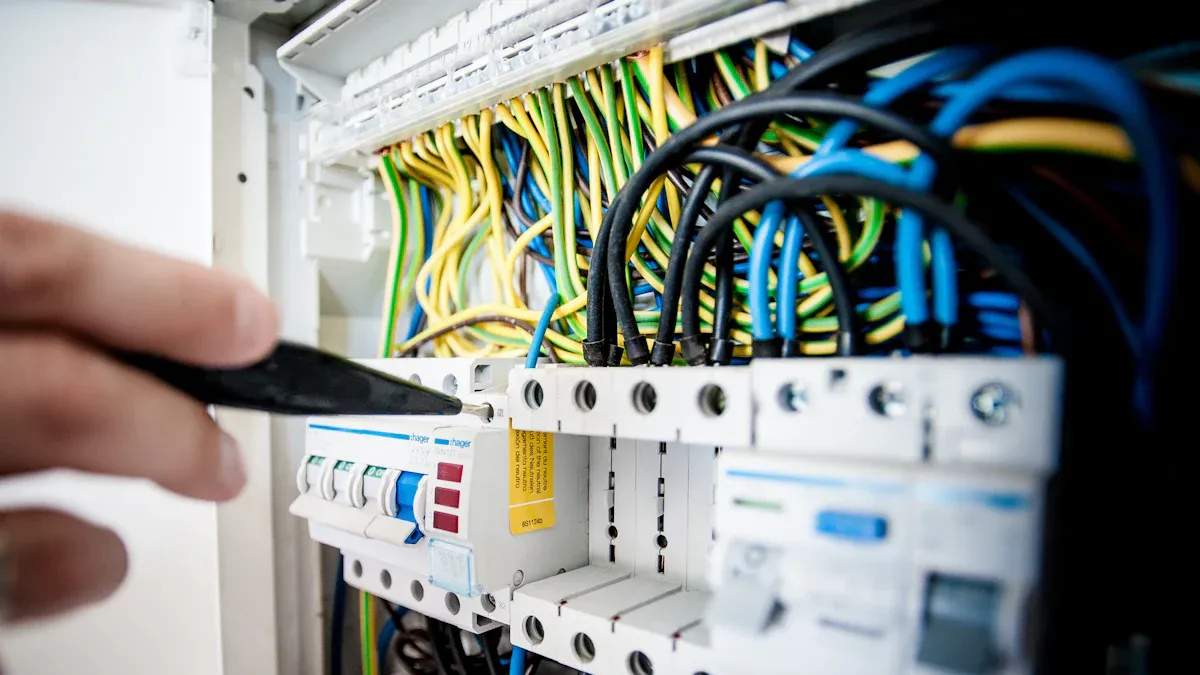
You can ground a flammable storage cabinet by following a few clear steps. First, check if your cabinet has a grounding lug or screw. This is often found on the bottom or back of the cabinet. Next, attach the ground wire to this lug. Make sure you connect the other end of the ground wire to a known earth ground, such as a grounding rod or a grounded metal structure. Always use a wire that is long enough to reach the ground point without stretching. Tighten all connections so you have a solid metal-to-metal contact. This helps prevent static from building up. If you dispense Class 1 flammable liquids, you must ground the cabinet. You should also ground the cabinet when dispensing Class 2 liquids near their flashpoint. Many safety experts recommend grounding even when it is not required to stop static buildup.
Tools and Materials for Grounding
You need the right tools and materials for grounding a safety cabinet. Use a heavy-duty ground wire, usually copper, with clamps at both ends. You may also need a bonding wire if you transfer liquids between containers. Make sure you have a screwdriver to secure the connections. Always check that the ground wire and bonding wire make direct metal-to-metal contact. Attach the ground wire to any drums you use and connect it to an earth source. Ground all containers with liquids that have a flashpoint of 100°F or less. This setup helps control static and keeps your workplace safe.
Safety Precautions to Follow
You must follow safety steps when grounding a cabinet. Inspect all wires and connections before you start. Replace any damaged wires right away. Never use painted or rusty surfaces for connections, as these block the flow of static. Keep the area dry and clean to avoid slips or shorts. Train your team on internal cabinet grounding and safe handling. Always attach the ground wire before you begin dispensing. These steps help you prevent static sparks and protect everyone in your facility.
Best Practices for Electrical Safety with Flammable Cabinets
Safe Handling and Dispensing of Flammable Liquids
You can keep your workplace safe by following smart steps when you handle flammable liquids. Always buy only what you need and store it in the right place. Remove extra chemicals from your workspace. Never keep flammable liquids near heat or open flames. When you transfer liquids, ground and bond the containers to stop static electricity. Use safety cans with self-closing lids and flame arresters. Pick the right personal protective equipment, like fire-resistant lab coats, if you work in high-risk areas. Do not work alone when handling these chemicals. Close all containers right after use.
Tip: Never smoke or use open flames near flammable liquids. This simple rule can prevent many accidents.
Regular Inspection and Maintenance
You should check your flammable storage cabinet often to make sure it works as it should. Regular inspections help you spot problems before they become serious. The table below shows how often you should inspect your cabinet for safety:
| Inspection Frequency | Description |
|---|---|
| Monthly | Regular checks to ensure safety and compliance. |
| Quarterly | More detailed inspections to identify potential issues. |
| Annually | Comprehensive review of cabinet condition and safety features. |
Look for signs of damage, rust, or loose wires. Make sure all safety features work. If you find a problem, fix it right away. These steps help you follow osha rules and keep everyone safe.
Staff Training and Awareness
You play a big part in keeping your workplace safe. Train all staff on the right way to use and maintain flammable storage cabinets. Teach them about osha guidelines and why grounding matters. Make sure everyone knows how to spot hazards and what to do in an emergency. Remind your team to keep sources of ignition away from the cabinet and to use self-closing doors when possible. When everyone understands the risks and follows safety steps, you lower the chance of accidents.
You do not always need to ground your flammable storage cabinet, but you must do so when dispensing or transferring liquids. Always follow OSHA, NFPA, and manufacturer instructions to avoid fines, fire risks, or insurance issues. Insurance companies often offer better coverage to facilities with grounded cabinets. To stay compliant, use a dedicated grounding wire, connect to a clean metal surface, link to a verified ground, and test the connection.
FAQ
Do you always need to ground a flammable storage cabinet?
You do not always need to ground the cabinet. You must ground it when you dispense or transfer flammable liquids. For storage only, grounding is not required by most codes.
What happens if you do not ground the cabinet during dispensing?
If you skip grounding, static electricity can build up. This can cause a spark. A spark may ignite flammable vapors and start a fire or explosion.
How do you know if your cabinet has a grounding point?
Most cabinets have a grounding lug or screw. You can find it on the back or bottom. Look for a metal bolt or label that says “grounding.”
Can you use any wire for grounding?
You should use a heavy-duty copper wire for grounding. The wire must make direct metal-to-metal contact. Do not use thin or damaged wires.


