

You use cylinder storage cabinets to protect yourself and others from serious dangers. A cylinder can become a projectile if it ruptures or if you damage a valve. Heavy cylinders can fall and injure you. Some cylinders release gases that push out oxygen, making it hard to breathe. Fires can cause high-pressure cylinders to explode and send pieces flying. The Complete Guide to Cylinder Storage Cabinets: Safety Standards helps you avoid these hazards by keeping each cylinder secure and organized.
Common Types of Cylinders and Gases in Gas Cylinder Storage Solutions
When you work with gas cylinder storage solutions, you need to know the different types of cylinders and gases you might handle. Each cylinder contains a specific gas, and each gas comes with its own hazards. Understanding these differences helps you stay safe and choose the right storage cabinet.
Compressed Gas Cylinders
You will find compressed gas cylinders in many workplaces. These cylinders hold gases under high pressure. If a cylinder breaks, it can shoot across a room like a rocket. Some common gases stored this way include:
- Oxygen
- Nitrogen
- Helium
- Argon
These gases serve many purposes. For example, oxygen is important in healthcare and welding. Nitrogen helps in food packaging and pharmaceuticals. Helium cools equipment in factories and fills balloons. You must handle these cylinders with care because the pressure inside can cause serious accidents.
Tip: Always secure compressed gas cylinders upright to prevent them from falling.
Flammable Gases
Some cylinders contain flammable gases. These gases can catch fire or explode if you do not store them properly. You might use these gases for heating, fuel, or chemical processes. Common examples are:
- Propane
- Acetylene
- Hydrogen
The table below shows the main hazards for different types of gases:
| Type of Gas | Examples | Primary Hazards |
|---|---|---|
| Liquefied Gases | Propane, anhydrous ammonia, chlorine | Flammability, asphyxiation, violent decomposition |
| Dissolved Gas | Acetylene | Flammability, asphyxiation, violent decomposition |
You must keep flammable gas cylinders away from heat and open flames.
Toxic and Corrosive Gases
Some cylinders store gases that can harm your health. Toxic gases, like chlorine, can cause injury or death if you breathe them in. Corrosive gases can damage your skin, eyes, or lungs. You might find these gases in water treatment or chemical plants. Always use proper ventilation and protective equipment when handling these cylinders.
Note: All gases except oxygen can cause suffocation if they push out the air you need to breathe.
By learning about the types of cylinders and gases, you can reduce hazards and keep your workplace safe.
Inert Gases
You often work with inert gases when you handle compressed gas cylinders. Inert gases do not react easily with other substances. This makes them safer than flammable or toxic gases, but you still need to follow safety rules. Common inert gases include:
- Argon
- Helium
- Neon
- Krypton
- Xenon
You find these gases in many industries. For example, argon protects welds from air. Helium fills balloons and cools scientific equipment. Neon lights up signs. Even though inert gases do not burn or explode, they can still cause harm.
Note: Inert gases can push out oxygen in a room. If you breathe in too much, you may feel dizzy or even lose consciousness.
When you store inert gases, always use proper compressed gas cylinders. These cylinders keep the gas under high pressure. If a cylinder falls or gets damaged, it can become a dangerous projectile. You must secure all compressed gas cylinders upright and use chains or straps to prevent them from tipping over.
Here is a quick guide to safe storage for inert gases:
| Safety Tip | Why It Matters |
|---|---|
| Store upright | Prevents falling and rolling |
| Use proper ventilation | Stops oxygen from being pushed out |
| Check for leaks | Keeps air safe to breathe |
| Label all cylinders | Helps you identify the gas inside |
You should never assume that inert gases are harmless. Always treat compressed gas cylinders with care. Follow your workplace safety rules and check storage cabinets often. This helps you avoid accidents and keeps everyone safe.
The Complete Guide to Cylinder Storage Cabinets: Safety Standards and Regulations
When you store gas cylinders, you must follow strict requirements. The complete guide to cylinder storage cabinets: safety standards helps you understand these rules. You protect yourself and others by following the right regulations. Each set of requirements comes from trusted organizations. You need to know what OSHA, NFPA, and CGA say about gas cylinder storage.
OSHA Requirements for Gas Cylinder Safety
OSHA sets the main requirements for gas cylinder safety in the United States. You must follow these rules to keep your workplace safe and avoid fines. OSHA wants you to store cylinders in a way that prevents damage and reduces fire risks. The complete guide to cylinder storage cabinets: safety standards explains these requirements in detail.
Here is a table that shows some key OSHA regulations:
| Regulation | Description |
|---|---|
| Separation of Cylinders | Oxygen and fuel cylinders must be separated by a noncombustible barrier or at least 20 feet apart to reduce fire hazards. |
| Storage Conditions | Cylinders should be stored in a well-ventilated, dry location, away from heat sources and combustible materials. |
| Valve Management | Empty cylinders must have their valves closed, and valve protection caps should be in place when not in use. |
You must also:
- Keep cylinders away from heat sources like radiators.
- Store them in a designated, well-ventilated area, at least 20 feet from combustible materials.
- Make sure empty cylinders have closed valves and valve protection caps in place.
If you follow these requirements, you lower the risk of fire and explosion. You also make sure your gas cylinder storage cabinets meet the complete guide to cylinder storage cabinets: safety standards.
NFPA Guidelines for Cylinder Storage
The National Fire Protection Association (NFPA) gives you more guidance on gas cylinder storage. NFPA 55 is the main standard you need to know. This standard covers the storage, use, and handling of compressed gases and cryogenic fluids. The complete guide to cylinder storage cabinets: safety standards includes these NFPA guidelines.
You should:
- Follow NFPA 55 for all compressed gas storage.
- Make sure your cabinets meet fire safety requirements.
- Store flammable gases like propane in approved locations.
NFPA guidelines help you choose the right place for your cylinder storage cabinets. You must keep cylinders away from buildings and make sure there is enough ventilation. These requirements protect you from fire and other dangers. When you use the complete guide to cylinder storage cabinets: safety standards, you meet both OSHA and NFPA rules.
Tip: Always check your local fire codes. Some areas have extra requirements for gas cylinder storage.
CGA Recommendations for Safe Storage
The Compressed Gas Association (CGA) gives you expert advice on safe gas cylinder storage. OSHA uses many CGA recommendations in its own requirements. The complete guide to cylinder storage cabinets: safety standards includes these best practices.
Here is a table that compares the key requirements from OSHA, CGA, and NFPA:
| Organization | Key Requirements |
|---|---|
| OSHA | Store cylinders to prevent damage, protect valves and caps, keep containers in safe condition, follow CGA pamphlets for handling |
| CGA | Guidance for safe handling and storage, incorporated by OSHA |
| NFPA | Focus on fire and life safety aspects, guidelines on storage locations, separation distances, and ventilation requirements |
You should:
- Store cylinders in a dry, well-ventilated area.
- Secure cylinders to prevent tipping.
- Separate cylinders from combustibles.
- Follow CGA pamphlets for handling and storage.
CGA recommendations help you handle cylinders safely every day. You learn how to move, store, and use gas cylinders without accidents. The complete guide to cylinder storage cabinets: safety standards brings together all these requirements. You can trust these standards to keep your workplace safe.
By following the complete guide to cylinder storage cabinets: safety standards, you meet all the main requirements for gas cylinder storage. You protect people, property, and the environment. You also stay in compliance with important regulations.
Local and State Codes for Gas Cylinder Storage Solutions
You need to pay close attention to local and state codes when you store gas cylinders. These codes help you follow the law and keep your workplace safe. Local and state rules often add extra steps to national regulations. You might find that your city or state has stricter rules than federal agencies.
Many local codes use national standards as a starting point. For example, fire marshals and building inspectors often refer to guidelines from the National Fire Protection Association (NFPA) and the International Code Council (ICC). These groups set the foundation for safe storage, but your local government can add more rules.
Here is a table that shows some of the most common codes and what they require:
| Code/Standard | Key Requirements |
|---|---|
| NFPA 55 | Guidelines on storage locations, separation distances, ventilation, and fire protection features. |
| NFPA 51 | Specifies storage distances between oxygen and fuel-gas cylinders. |
| NFPA 1 | Details on sprinkler protection and exhaust requirements for cylinder storage. |
| ICC Codes | Addresses construction and testing standards for specialized cylinders. |
You should always check with your local fire department or building authority before you set up a gas cylinder storage area. Some places require you to get a permit. Others may inspect your storage cabinets to make sure you meet all safety rules.
Tip: Local codes may require extra ventilation, special signage, or even fire-resistant construction for your storage cabinets. Always ask about these details before you buy or install new equipment.
You might notice that some codes focus on how far you must keep cylinders from buildings or property lines. Others tell you how to separate different types of gases. For example, NFPA 51 says you must keep oxygen and fuel-gas cylinders apart. NFPA 1 may require you to install sprinklers or exhaust fans in your storage area.
Local and state codes often update faster than national standards. You need to stay alert for changes. If you ignore new rules, you could face fines or even have to shut down your operation. Always keep records of your compliance with all regulations.
You play a key role in keeping your workplace safe. By following local and state codes, you protect people and property. You also show that you take safety seriously and respect the standards set by experts.
Types of Cylinder Storage Cabinets and Gas Cylinder Storage Solutions
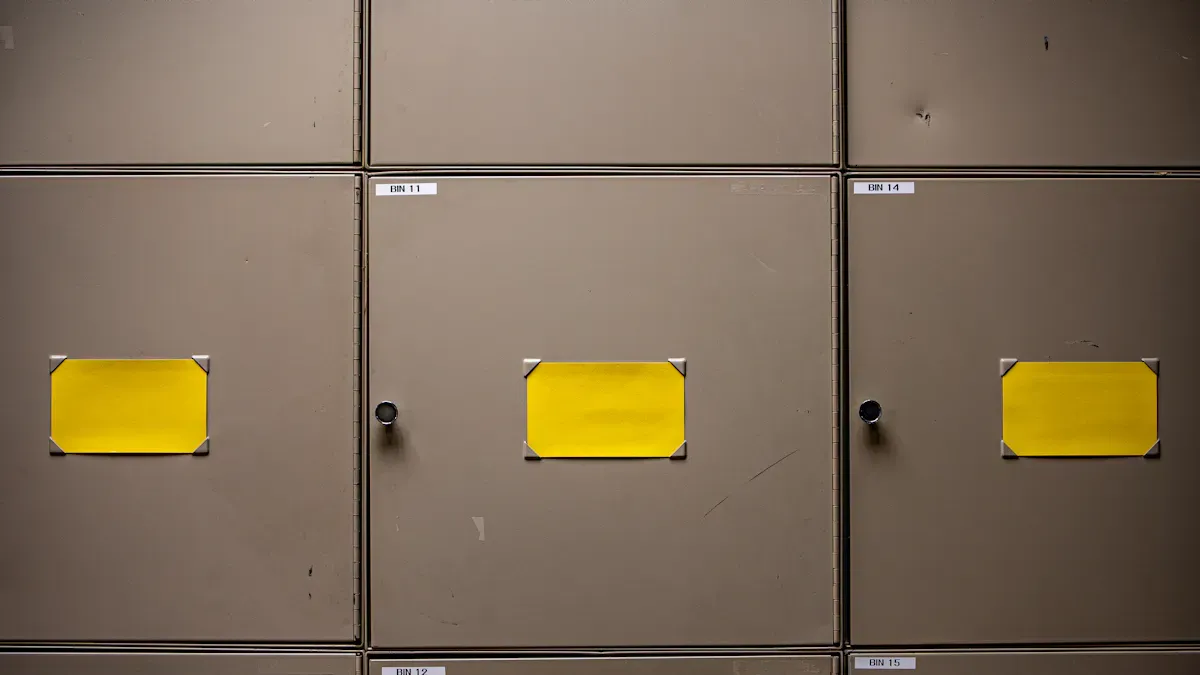
You will find many types of cabinets designed to keep hazardous cylinders safe. Each type serves a special purpose and helps you meet safety rules. When you choose the right cabinets, you protect yourself and others from dangerous accidents.
Indoor vs. Outdoor Cylinder Storage Cabinets
You must decide if you need indoor or outdoor cabinets for your gas cylinder storage. Indoor cabinets work best when you need to keep hazardous materials close to your work area. Outdoor cabinets help you store large numbers of hazardous cylinders away from buildings. The table below shows the main differences:
| Feature | Indoor Cylinder Storage Cabinets | Outdoor Cylinder Storage Cabinets |
|---|---|---|
| Construction | Double-wall with fire-resistant materials | Prefabricated structures with built-in containment features |
| Safety Features | Self-closing, latching doors, flame arresters, raised sills | Climate control options, fire suppression, and monitoring systems |
| Size Options | Various sizes from benchtop to 90-gallon capacity | Designed for large quantities of hazardous materials |
| Hazard Communication | Prominent labeling for hazard communication | Not specified, but likely includes similar features |
You should always check your needs before picking a cabinet. Indoor cabinets give you quick access. Outdoor cabinets offer more space for hazardous storage.
Flammable Gas Cylinder Storage Cabinets
You need special cabinets for flammable hazardous gases. These cabinets keep fire risks low. They use fire-resistant walls and self-closing doors. You will see bright hazard labels on these cabinets. Some types have built-in vents to stop gas buildup. You must keep these cabinets away from heat and open flames. Always store only the allowed types of hazardous cylinders inside.
Tip: Never mix flammable and non-flammable hazardous gases in the same cabinet.
Corrosive Gas Cylinder Storage Cabinets
Corrosive hazardous gases need extra care. You should use cabinets made from materials that resist rust and chemical damage. Gas cylinder cabinets for corrosive gases often have these features:
- Use buildings that protect against moisture and temperature swings.
- Choose cabinets with options for chemical storage.
- Keep the temperature below 125°F with controls.
- Use partition walls to separate incompatible hazardous chemicals.
- Install exhaust fans for good ventilation.
- Store cylinders upright with racks and shelving.
- Add gas detectors and sensors for safety.
You must always use hazardous materials cabinets that match the types of gases you store. This keeps your workplace safe and helps you follow all rules.
Ventilated Cylinder Storage Cabinets
You need ventilated cylinder storage cabinets to keep your workplace safe from dangerous gas buildup. These cabinets use special systems to move air from top to bottom. This design helps remove any leaked gases quickly. You lower the risk of breathing in harmful fumes or facing a fire hazard.
- Proper ventilation stops flammable or toxic gases from building up inside cabinets.
- A built-in ventilation system pushes leaked gases out fast, so they do not collect and cause danger.
You should check that your cabinets have vents and fans that work well. Place cabinets in areas with good airflow. Always keep vents clear of dust or blockages. You protect yourself and others by using ventilated cabinets for gases that could leak or cause harm.
Fire-Resistant Cylinder Storage Cabinets
You use fire-resistant cylinder storage cabinets to protect cylinders from heat and flames. These cabinets have thick walls and doors that can stand up to fire for a set time. This feature gives you extra time to act if a fire starts near your storage area.
Here is a table that shows a common fire-resistance standard:
| Standard | Fire Resistance | Purpose |
|---|---|---|
| EN 14470-2 | 30 minutes | Prevents fire spread and reduces explosion risks in case of fire exposure. |
You should pick cabinets that meet fire-resistance ratings for your type of gas. Store flammable gases only in cabinets that can handle high heat. Check labels and manuals to make sure your cabinets meet safety rules. Fire-resistant cabinets help you avoid explosions and keep your workplace safe.
Custom and Specialty Cylinder Storage Cabinets
Some workplaces need custom or specialty cylinder storage cabinets. You see these cabinets in places like hospitals, labs, and factories that use special gases. These cabinets fit unique cylinder sizes or have extra safety features.
In industries such as pharmaceuticals, aerospace, and high-tech manufacturing, you must use cabinets with special materials or designs. These cabinets help you meet strict safety and hygiene rules. In healthcare, you need cabinets that keep medical gases safe for patients. Some cabinets have antimicrobial coatings or real-time monitors to track gas levels.
You should talk to experts if you need cabinets for special uses. Custom cabinets make sure you follow all rules and keep everyone safe.
Choosing the Right Cylinder Storage Cabinet for Safety and Standards
Assessing Cylinder Types and Quantities
You need to look at several factors before you choose a cylinder storage cabinet. Start by making a list of all the chemicals and gases you plan to store. Check the Safety Data Sheets (SDS) for each one. This helps you understand the hazards and properties. Follow these steps to make the best choice:
- Review the characteristics of the chemicals. Write down the expected volumes and check the SDS for each gas or liquid.
- Make sure your cabinet meets all safety standards. Cabinets for flammable materials should have self-closing doors and a 3-point latch.
- Know the capacity limits set by OSHA and your local rules. Some materials may let you increase storage, but always check the guidelines.
- Choose cabinets that offer secure storage. Look for lockable doors, clear warning labels, and safe loading features.
By following these steps, you can match the right cabinet to the types and amounts of cylinders you use.
Environmental Considerations for Gas Cylinder Storage Solutions
You must think about the environment where you store your cylinders. The wrong conditions can make storage unsafe. Pay attention to these points:
- High temperatures can make gas expand. This raises pressure and can cause explosions.
- Too much humidity can rust valve caps and let moisture get inside the cylinder.
- Store cylinders in cool, dry, and well-ventilated places. Keep them away from anything that could start a fire.
These steps help you keep your cylinders safe and in good condition.
Material and Construction Standards
You should know the materials and construction used in cylinder storage cabinets. The right choice depends on your needs and the standards you must follow. Here is a table to help you compare:
| Material Type | Key Characteristics | Common Applications |
|---|---|---|
| Steel | Strong, fire-resistant, durable, meets safety standards | Chemical processing, oil & gas |
| Aluminum | Lightweight, resists corrosion, easy to move | Healthcare, laboratory sectors |
| Composite | Combines materials for better performance | Custom and high-performance uses |
| Others | High-grade plastics or hybrids for special needs | Unique storage challenges |
Pick the material that fits your workplace and the gases you store. Always check that your cabinet meets the latest standards for safety.
Ensuring Compliance with Safety Standards
You must follow safety standards every time you use safety cabinets for gas cylinder storage. These rules protect you and everyone around you. If you ignore them, you risk accidents, injuries, or fines. You can use these steps to make sure you stay compliant:
- Read the instructions for your safety cabinets. Each type has its own rules. You should check the labels and manuals before you use them.
- Place safety cabinets in the right spot. Keep them away from heat, sparks, and busy walkways. Make sure the area has good airflow.
- Store only approved cylinders in your safety cabinets. Do not mix different types of gases unless the cabinet allows it.
- Lock safety cabinets when not in use. This keeps unauthorized people out and prevents tampering.
- Check the condition of your safety cabinets often. Look for rust, dents, or broken locks. Fix problems right away.
- Keep clear labels on all safety cabinets. Use signs to show what gases are inside and what hazards exist.
- Train everyone who works with safety cabinets. Teach them how to open, close, and inspect the cabinets safely.
- Record all inspections and maintenance. Write down the date and what you checked. This helps you prove you follow the rules.
- Stay updated on new safety standards. Rules can change. Ask your supervisor or safety officer for the latest information.
Tip: You should always ask questions if you are not sure about a rule. Safety cabinets work best when you use them the right way.
Here is a quick checklist for compliance:
| Task | How Often? |
|---|---|
| Inspect safety cabinets | Weekly |
| Update labels and signs | As needed |
| Review safety standards | Every 6 months |
| Train staff | Yearly |
You play a key role in keeping your workplace safe. When you follow these steps, you make sure your safety cabinets protect you and your team.
Best Practices for Gas Cylinder Safety: Storage, Handling, and Transportation

Securing Cylinders Properly
You must secure every cylinder to prevent accidents. Cylinders can roll, tip, or fall if you do not store them correctly. You should always keep cylinders upright. Use chains, straps, or racks to hold them in place. Never stack cylinders on top of each other. If a cylinder falls, it can break the valve and turn into a dangerous projectile.
You should check that each cylinder sits on a flat, stable surface. Do not leave cylinders in walkways or near doors. This keeps people from tripping or bumping into them. You must also separate full and empty cylinders. Mark empty cylinders clearly and store them away from full ones.
When you move cylinders, use a hand truck or cart made for gas cylinder safety. Secure the cylinder to the cart before moving it. Never drag, roll, or drop a cylinder. Always keep the protective cap on when you transport cylinders. This cap protects the valve from damage.
Tip: Inspect all securing devices often. Replace any worn or broken chains, straps, or racks right away.
Labeling and Signage for Safety
You need clear labels and signs to keep your workplace safe. Labels tell you what gas is inside each cylinder and warn you about hazards. You must label every cylinder with the gas name and hazard warnings, such as toxic, flammable, or corrosive. Mark cylinders as empty or full so you know which ones to use or refill.
You should also display hazard warning signs at the storage area. These signs help everyone see the risks before they enter. Place signs where people can see them easily. Good signage helps you follow gas cylinder safety rules and keeps everyone alert.
Here is a quick checklist for labeling and signage:
- Label each cylinder with the gas name.
- Add hazard warnings like “flammable,” “toxic,” or “corrosive.”
- Mark cylinders as “empty” or “full.”
- Display hazard warning signs at the storage area.
You should check labels and signs often. Replace any that are faded or missing. Clear labeling and signage are key parts of safe storage and handling.
Personal Protective Equipment (PPE) Requirements
You must wear the right personal protective equipment when you handle gas cylinders. PPE protects you from burns, cuts, and breathing in harmful gases. Always check the Safety Data Sheet (SDS) for each gas to see what PPE you need.
Here are common types of PPE for gas cylinder safety:
- Eye protection, such as full goggles, shields your eyes from splashes or flying particles.
- Protective gloves keep your hands safe from cold, heat, or chemicals. Some gases need gloves with cold insulation.
- Protective footwear guards your feet if a cylinder slips or falls.
- Breathing apparatus helps you avoid inhaling dangerous gases, especially in areas with poor ventilation.
- Protective clothing, like coveralls or overalls, shields your skin from contact with hazardous materials.
- Hearing protection may be needed in noisy areas or when working with certain gases.
You should always wear approved PPE when disconnecting or moving cylinders. Make sure your gear fits well and is in good condition. Replace damaged PPE right away. Wearing the right equipment is one of the best practices for gas cylinder safety.
Note: Never skip PPE, even for quick tasks. Proper protection keeps you safe during all storage and handling steps.
By following these steps, you can safely handle and store gas cylinders. You lower the risk of injury and help everyone stay safe at work.
Safe Transportation Within Facilities
You must move gas cylinders with care to keep your workplace safe. When you transport cylinders inside your facility, you lower the risk of accidents by following simple steps. Always prepare each cylinder before you move it. Close the valve tightly and disconnect any equipment. Put the valve protection cap on, especially for cylinders over 30 pounds. This cap keeps the valve safe if the cylinder tips or bumps into something.
Wear the right personal protective equipment every time you move a cylinder. Gloves protect your hands from sharp edges or cold surfaces. Safety shoes keep your feet safe if a cylinder slips. Always wear long pants and closed-toe shoes. Never move a cylinder if you feel tired or distracted.
Use a hand truck or cart made for cylinder movement. Secure the cylinder upright on the cart with a strap or chain. Do not roll, drag, or slide cylinders across the floor. Never lift a cylinder by the cap or valve. If you need to move a cylinder up or down steps, use a cradle or hoist designed for this purpose.
Keep cylinders upright during transport. Place them valve end up in powered vehicles. Make sure the path is clear before you move. Avoid busy walkways and keep cylinders away from heat or open flames. Always move one cylinder at a time to prevent accidents.
Tip: Check that the valve protection cap is tight before you start moving the cylinder. This small step can prevent big problems.
Here is a quick checklist for safe cylinder transportation:
- Close the valve and disconnect equipment.
- Secure the valve protection cap.
- Wear gloves, safety shoes, and proper clothing.
- Use a hand truck or cart for movement.
- Keep cylinders upright and secure.
- Move only one cylinder at a time.
- Never roll, drag, or slide cylinders.
By following these steps, you help keep your facility safe and prevent injuries.
Regular Inspection and Maintenance for Gas Cylinder Storage Solutions
You must inspect and maintain your gas cylinder storage solutions often. Regular checks help you spot problems before they become serious. You should look at your cylinders and storage areas every day. Make sure each cylinder is secure and upright. Check that valve protection caps are in place. Look at ventilation systems to see if they work well. Confirm that fire safety equipment is easy to reach.
Each week, test the valves on your cylinders. Make sure they open and close without sticking. Check the temperature in your storage area. High heat can make gas expand and increase pressure inside the cylinder. Test your safety equipment, such as alarms and fire extinguishers, to make sure they work.
Every month, inspect each cylinder for damage. Look for dents, rust, or signs of leaks. Check that each cylinder has a clear label with the gas name and hazard warnings. Write down your findings in a logbook. This record helps you track problems and show that you follow safety rules.
Once a year, do a full safety audit. Review your training and emergency plans. Make sure all workers know what to do in an emergency. Update your records and fix any problems you find.
Note: Regular inspection and maintenance keep your gas cylinder storage safe and help you follow all safety standards.
Here is a simple inspection schedule:
| Task | How Often |
|---|---|
| Check cylinder securing and caps | Daily |
| Inspect ventilation and fire safety | Daily |
| Test valves and safety equipment | Weekly |
| Inspect for damage and leaks | Monthly |
| Full safety audit and training | Yearly |
You play a key role in keeping your workplace safe. When you inspect and maintain your gas cylinder storage solutions, you protect yourself and everyone around you.
Emergency Procedures and Training for Gas Cylinder Safety
Spill and Leak Response Protocols
You must know how to act fast if a gas cylinder leaks or spills. Emergency procedures help you protect yourself and others. When you notice a leak, follow these steps:
- Move everyone away from the area to secure their safety.
- Check the spill to see how big it is and what risks it brings.
- Put on the right protective equipment before you get close.
- Call emergency services right away so they can help.
- Use spill kits or containment tools to stop the gas from spreading.
You should always keep emergency procedures posted near your storage area. Practice these steps often so you can respond quickly.
Fire and Explosion Procedures
You face serious risks if a fire or explosion happens near gas cylinders. Emergency procedures give you a clear plan. First, sound the alarm and evacuate the area. Never try to fight a fire involving gas cylinders by yourself. Move to a safe place and wait for trained responders. If you can, close cylinder valves from a safe distance. Tell emergency crews about the types of gases stored. This helps them choose the right procedures and tools.
Tip: Always keep fire extinguishers and alarms in working order. Check them during regular inspections.
You lower the risk of explosion by following safe storage rules and keeping cylinders away from heat.
Employee Training and Safety Drills
You need strong training to handle gas cylinders safely. Training covers emergency procedures, safe storage, and what to do if an explosion occurs. Use both classroom lessons and hands-on drills. Practice evacuation and first-aid steps. Review these training protocols:
| Training Protocols | Description |
|---|---|
| Upright Storage | Store cylinders upright and secure them to prevent tipping. |
| Segregation | Keep incompatible gases apart to avoid dangerous reactions. |
| Handling Equipment | Use proper carts and lifting methods to prevent injuries. |
| Labeling and Documentation | Label all cylinders with gas type, hazards, and instructions. |
| Emergency Preparedness | Learn emergency procedures, evacuation plans, and first-aid. |
| Interactive Training Sessions | Combine theory with practice for better learning. |
| Online Resources | Use online materials to review safety topics anytime. |
You should hold safety drills often. This helps you remember emergency procedures and respond quickly if a real emergency happens.
Emergency Equipment and Access
You need the right emergency equipment to keep everyone safe around gas cylinders. Quick access to this equipment can save lives during leaks, fires, or other accidents. You should always know where to find these tools and how to use them.
Essential Emergency Equipment:
- Fire Extinguishers: Place these near cylinder storage areas. Use the right type for the gases you store. For example, use Class B extinguishers for flammable gases.
- Spill Kits: Keep kits ready for cleaning up leaks or spills. These kits should include absorbent materials, neutralizers, and disposal bags.
- Gas Detectors: Install detectors that sense leaks of flammable, toxic, or asphyxiating gases. These alarms warn you early so you can act fast.
- First Aid Kits: Stock kits with supplies for burns, cuts, and eye injuries. Make sure everyone knows where to find them.
- Emergency Showers and Eyewash Stations: Place these close to storage areas. They help you wash off chemicals quickly if you get exposed.
Tip: Check all emergency equipment every month. Replace used or expired items right away.
Access Guidelines:
- Keep all exits and emergency equipment clear. Do not block them with boxes, tools, or cylinders.
- Mark emergency equipment with bright signs or labels. Use glow-in-the-dark signs for low-light areas.
- Train everyone to find and use emergency equipment. Practice emergency drills so you can respond quickly.
Here is a quick reference table:
| Equipment | Location Tip | Check Frequency |
|---|---|---|
| Fire Extinguisher | Near exits and storage areas | Monthly |
| Spill Kit | Next to cylinder cabinets | Monthly |
| Gas Detector | Above and around storage | Test monthly |
| First Aid Kit | In visible, central location | Monthly |
| Eyewash/Shower Station | Within 10 seconds’ reach | Weekly |
You protect yourself and your team by keeping emergency equipment ready and easy to reach. Fast action can prevent injuries and save lives.
Ensuring Ongoing Compliance and Safety with Gas Cylinder Storage Solutions
Routine Audits and Inspections
You need to check your cylinder areas often to keep everyone safe. Regular audits help you find problems before they cause harm. Walk through your cylinder storage spots and look for leaks, rust, or broken parts. Use a checklist to make sure you do not miss anything. Write down what you find and fix issues right away. You should also test alarms and emergency tools during these checks.
Tip: Set a reminder on your calendar for your next safety inspection.
Documentation and Recordkeeping for Standards Compliance
You must keep good records to show you follow safety rules. Write down every audit, inspection, and repair. Save reports about each cylinder, including when you last checked it. Good records help you prove you care about safety if someone asks. You can use a simple table to track your work:
| Date | Cylinder ID | Issue Found | Action Taken | Checked By |
|---|---|---|---|---|
| 2024-06-01 | 12345 | Leak | Replaced | J. Smith |
Keep these records in a safe place. Review them often to spot trends or repeat problems.
Staying Updated on Safety Standards and Regulations
You need to know when safety rules change. Join safety groups or sign up for updates from trusted groups like OSHA. Ask your supervisor or safety officer for new rules about cylinder use. Attend training sessions to learn about new safety practices. Share what you learn with your team so everyone stays safe.
Note: Safety standards can change every year. Stay alert and keep learning.
You play a key role in keeping your workplace safe when you follow proper gas cylinder storage practices. Remember these steps:
- Label every cylinder clearly and mark unknown contents.
- Train everyone on safe handling and use the right protective gear.
- Store cylinders upright in secure, ventilated areas.
- Inspect cylinders often for leaks or damage.
- Keep emergency plans ready.
By following these steps, you support workplace safety and help prevent accidents. Review your storage solutions and ask experts for advice when needed.
FAQ
What is the safest way to store gas cylinders?
You should always store cylinders upright and secure them with chains or straps. Keep them in a cool, dry, and well-ventilated area. Use proper cylinder storage cabinets for extra safety.
How often should you inspect gas cylinder storage cabinets?
You should inspect your storage cabinets at least once a week. Look for signs of damage, leaks, or missing labels. Fix any problems right away to keep your workplace safe.
Can you store different types of gases in the same cabinet?
You should never mix incompatible gases in one cabinet. Always check the labels and safety data sheets. Store flammable, toxic, and oxidizing gases in separate, approved cabinets.
What should you do if you find a leaking cylinder?
- Move everyone away from the area.
- Put on protective equipment.
- Call emergency services.
- Do not try to fix the leak yourself.
Why do you need to label every gas cylinder?
Labels help you know what gas is inside each cylinder. They warn you about dangers like fire or poison. Clear labels help you follow safety rules and prevent accidents.


