

You see chemical spills happen often in industrial settings. Since 1993, over 30,000 oil or chemical spills have been reported each year in the United States. In 2023, almost one chemical incident occurred daily. When you face spills, safety depends on Choosing the Right Absorbent Materials for Chemical Spill Containment and Cleanup. You need to match the absorbent to the chemical and think about where the spill happens. Making smart choices helps protect people and the environment.
- Over 30,000 spills reported annually in the U.S.
- Nearly one chemical incident per day in 2023
Choosing the Right Absorbent Materials for Chemical Spill Containment and Cleanup

When you face a chemical spill, you need to act fast and choose the right absorbent. Choosing the Right Absorbent Materials for Chemical Spill Containment and Cleanup keeps your workplace safe and helps you follow safety rules. You must match the absorbent to the type of chemical, the size of the spill, and the area where the spill happened. Here are some important steps you should follow:
- Identify the type of chemical spilled.
- Pick the right form of absorbent for the spill size and location.
- Check the absorbent’s capacity and how much it can hold.
- Make sure the absorbent is safe to use with the chemical.
- Think about how you will dispose of the used absorbent and its impact on the environment.
Let’s look at how you can choose the best absorbent for different types of spills.
Oil-Based Chemical Spills
Oil-based spills need special absorbents that soak up oil but do not take in water. You often see these spills in factories, garages, or near water. When you clean up oil, you want materials that work fast and are easy to handle.
- Polypropylene pads and booms float on water and only absorb oil. You can use them in ponds, lakes, or on factory floors.
- Clay-based absorbents, like kitty litter, help with small spills on hard surfaces.
- Peat moss and cellulose-based products are eco-friendly and soak up oil well.
- Vermiculite is a mineral that resists fire and absorbs oil.
- Superabsorbent polymers, such as sodium polyacrylate, can take in hundreds of times their weight in oil.
Tip: Oil-only absorbents work best for oil spills because they repel water and soak up hydrocarbons. Synthetic sorbents can absorb up to 70 times their weight in oil, making them a strong choice for large spills.
You should always check the absorbency rate. For big spills, look for materials that can absorb more than 10 liters per kilogram. This helps you clean up faster and safer.
Water-Based Chemical Spills
Water-based spills include things like coolants, paints, or cleaning chemicals. You need absorbents that can handle liquids without breaking down. Safety groups recommend several types of absorbents for these spills.
| Absorbent Material | Description | Application Type |
|---|---|---|
| Absorbent Pads | Thin sheets, color-coded for water-based spills | Small spills, quick response |
| Absorbent Socks | Long tubes to block and contain spills | Spill perimeters, doorways |
| Absorbent Pillows | Large, soft blocks for big spills or leaks | Under leaks, hard-to-reach places |
| Granular Absorbents | Loose particles for rough surfaces and large spills | Large volume spills, uneven floors |
- Absorbent pads are easy to use and often color-coded for water-based chemicals.
- Socks help you stop the spill from spreading.
- Pillows soak up a lot of liquid and fit under machines or in tight spots.
- Granular absorbents work well on rough floors and can handle big spills.
You should choose the form that matches your spill. For example, use socks to block a doorway or pillows under a leaking pipe.
Hazardous Chemical Spills
Hazardous spills, like acids or bases, need special care. You must use absorbents that are safe and will not react with the chemical. Always check the label and safety data sheet before you pick an absorbent.
| Type of Spill | Recommended Absorbent Materials | Notes |
|---|---|---|
| Acid spills (except HF) | Sodium carbonate, Sodium bicarbonate, Calcium carbonate, Calcium bicarbonate | Do not use absorbent clay for acid spills |
| Hydrofluoric acid spills | Calcium carbonate, Calcium bicarbonate | Binds fluoride ion tightly |
| Liquid base spills | Sodium bicarbonate | Lowers pH for drain disposal |
- Polypropylene-based absorbents work well for acids, bases, and corrosives.
- Synthetic polymer absorbents resist chemicals and can turn liquids into gels.
- Specialty chemical absorbents have neutralizers for strong acids or bases.
- Some brands, like Brady SPC BPH200 and PIG HazMat pads, are made for aggressive chemicals and stay safe during cleanup.
Note: Never use clay-based absorbents for acid spills. They can react and make the spill more dangerous.
When you handle hazardous spills, always wear the right safety gear. Make sure you follow local rules for disposal. Choosing the Right Absorbent Materials for Chemical Spill Containment and Cleanup protects you and your team from harm.
By following these steps and using the right materials, you make Choosing the Right Absorbent Materials for Chemical Spill Containment and Cleanup easier and safer for everyone.
Universal Absorbents
Universal absorbents give you a flexible solution for many types of chemical spills. You can use them for oils, water-based liquids, coolants, and solvents. These absorbents work well in places where you do not always know what kind of chemical might spill. You find them in most industrial settings because they handle mixed spills with ease.
Here are some key advantages of universal absorbents:
- You can soak up many types of industrial fluids, such as oil, water, solvents, and coolants. This makes them useful in almost any workplace.
- You help prevent slip and fall accidents by keeping floors dry and safe.
- You save time and money because these absorbents work quickly and reduce cleanup costs.
- You support sustainability when you choose universal absorbents made from recycled materials.
- You get many options, such as pads, rolls, socks, and booms, so you can handle both small leaks and large spills.
Tip: Universal absorbents often come in gray color. This helps you spot them easily and know they are safe for most liquids.
You should use universal absorbents when you want a simple, all-in-one solution. They help you stay ready for unexpected spills. When you focus on Choosing the Right Absorbent Materials for Chemical Spill Containment and Cleanup, universal absorbents give you peace of mind in busy environments.
Specialty Absorbents
Sometimes, you face chemical spills that need more than a standard absorbent. Specialty absorbents help you handle unique hazards, such as highly reactive chemicals or dangerous substances. These products are designed for specific risks that universal absorbents cannot manage.
For example, a new specialty absorbent called biochar-based iron and perlite-integrated green environmental media (BIPGEM) removes long-chain PFAS, like PFOA and PFOS, from water. This absorbent removes over 98% of these chemicals in lab tests and more than 85% in real-world conditions. The secret lies in the biochar’s pore structure and large surface area, which trap harmful chemicals and keep water safe.
Specialty absorbents offer several important benefits:
- You can use them for highly reactive chemical spills in chemical plants or emergency situations.
- Many specialty absorbents include neutralizing agents and color indicators. These features help you prevent dangerous reactions and see when the spill is safe.
- You can neutralize certain chemicals, which reduces the risk of making a spill worse.
- Some specialty absorbents trade a bit of absorption capacity for better chemical resistance. This makes them the right choice for hazardous or corrosive spills.
- Standard absorbents may not protect you from highly dangerous materials, but specialty absorbents fill this gap.
Note: Always check the label and safety data sheet before using a specialty absorbent. Make sure it matches the chemical you need to clean up.
When you focus on Choosing the Right Absorbent Materials for Chemical Spill Containment and Cleanup, specialty absorbents help you meet strict safety standards. They protect you, your team, and the environment from the most challenging spills.
Main Types of Absorbent Materials
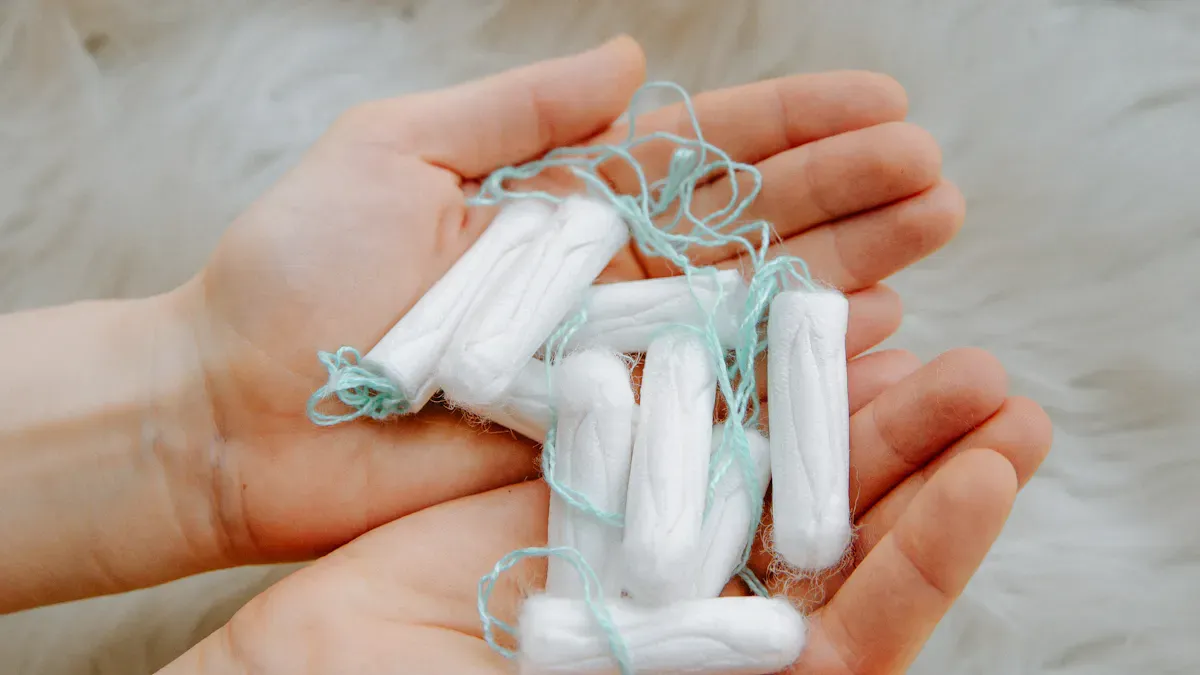
When you choose absorbent materials for chemical spill cleanup, you need to know the main types. Each type has unique features that make it suitable for different spills and environments.
Natural Organic Absorbents
Natural organic absorbents come from renewable resources like peat moss, sawdust, straw, cotton, and jute. You often use these materials because they are biodegradable and eco-friendly. They help you reduce the environmental impact of spill response, especially in sensitive areas.
- 🌱 Made from renewable resources such as straw, corn wood, and peanut peels.
- ♻️ Biodegradable, so they break down naturally after use.
- 🌍 Lower ecological footprint, making them ideal for marine and wildlife areas.
- 💰 Affordable and widely available.
- 🧽 High absorption rate—cotton can absorb up to 25 times its weight in water, and wool can hold about 33% of its weight without feeling wet.
Tip: Many industries now prefer natural organic absorbents because they support sustainability goals and align with growing environmental awareness.
Natural Inorganic Absorbents
Natural inorganic absorbents include materials like clay, zeolites, and silica. You find these absorbents useful for their chemical compatibility and cost-effectiveness.
- Inorganic sorbents are inexpensive and available in large quantities.
- They can absorb 4 to 20 times their weight in oil, giving you a good cost-to-performance ratio.
- Clays and zeolites have high surface area and ion exchange properties, which help remove heavy metals and other pollutants from water.
- Mesoporous silica can be modified to improve its absorption abilities.
Note: While natural inorganic absorbents work well for many chemicals, you may need to use more product to achieve the same results as synthetic options.
Synthetic Absorbents
Synthetic absorbents are made from polymers like polypropylene, polyethylene, polyurethane, and polystyrene. You often choose these materials for their high efficiency and versatility.
- Synthetic absorbents are hydrophobic and oleophilic, so they absorb oils and chemicals but repel water.
- They are widely used in labs, hospitals, and industrial settings.
- These materials can handle hazardous chemicals, acids, bases, and solvents.
- Superabsorbent polymers can take in hundreds of times their weight in liquid.
- Synthetic absorbents are more expensive, but you need less product for effective cleanup.
| Absorbent Type | Best For | Key Features |
|---|---|---|
| Universal | Oil & water-based | Versatile, all-purpose |
| Oil-Only | Oil-based | Repels water, absorbs hydrocarbons |
| Hazmat | Aggressive chemicals | Chemical resistance, safety |
Remember: Synthetic absorbents offer high performance, especially when you need to clean up hazardous or large-volume spills quickly.
Assessing Application Needs
Routine Leaks and Drips
You see routine leaks and drips in many workplaces. Machines, pipes, and containers often leak small amounts of oil, water, or chemicals. You need to control these leaks to keep your workspace safe and clean. For these situations, you can use absorbent pads, mats, or rolls. These products fit under equipment or along walkways. You can replace them easily when they become saturated.
- Absorbent mats catch drips from machinery.
- Pads work well under leaky pipes.
- Socks surround equipment and stop leaks from spreading.
Tip: Check absorbents daily. Replace them before they reach full capacity. This keeps your area safe and prevents slips.
Emergency Spill Response
You must act fast during a chemical spill emergency. Large spills can spread quickly and cause harm. You need absorbents that work fast and handle big volumes. Emergency spill kits give you everything you need in one place. These kits often include pads, socks, pillows, and disposal bags.
| Spill Kit Item | Use Case |
|---|---|
| Pads | Quick surface cleanup |
| Socks | Contain spill edges |
| Pillows | Absorb large puddles |
| Disposal Bags | Safe waste handling |
You should keep spill kits in easy-to-reach places. Train your team to use them. Fast action limits damage and keeps everyone safe.
High-Traffic Areas
Busy areas need special attention. People walk or drive through these spaces all day. Spills in high-traffic zones can cause accidents. You need absorbents that stay in place and handle repeated use. Heavy-duty mats and high-traction absorbent rolls work best here.
- Place absorbent mats at entrances and exits.
- Use rolls along busy walkways.
- Choose products with slip-resistant backing.
Note: Change absorbents often in high-traffic areas. Worn-out mats lose grip and can become hazards.
By matching absorbents to your application needs, you create a safer and more efficient workplace.
Outdoor vs. Indoor Use
You need to think about where a spill happens before you choose an absorbent. Outdoor and indoor spills have different risks and cleanup needs. The right absorbent helps you work safely and keeps the environment clean.
Outdoor Spills
Outdoor spills face rain, wind, and sunlight. These conditions can spread chemicals quickly. You need absorbents that stay in place and work in wet or rough areas.
- Use heavy-duty absorbent booms and socks to block spills from reaching drains or soil.
- Pick products that resist UV rays and do not break down in sunlight.
- Choose water-repellent absorbents for oil spills on water or wet ground.
- Granular absorbents work well on gravel, grass, or uneven surfaces.
🌧️ Tip: Always check the weather before starting cleanup. Rain can wash chemicals into storm drains or rivers.
Indoor Spills
Indoor spills happen on smooth floors or near equipment. You need absorbents that control leaks and keep walkways safe.
- Absorbent mats and pads fit under machines and along walkways.
- Use socks to stop spills from spreading under doors or into other rooms.
- Pick low-dust products to keep the air clean in closed spaces.
- Choose absorbents with slip-resistant backing for busy areas.
| Environment | Best Absorbent Types | Key Features |
|---|---|---|
| Outdoor | Booms, socks, granular | Weatherproof, UV resistant |
| Indoor | Mats, pads, socks | Low dust, slip-resistant |
🏠 Note: Store absorbents close to likely spill sites. Fast access helps you stop spills before they spread.
You protect people and nature when you match absorbents to the spill location. Always plan for both indoor and outdoor risks.
Key Features of Effective Absorbents
When you choose absorbent materials for chemical spill cleanup, you need to look for certain features. These features help you clean up spills quickly and safely. Let’s explore the most important qualities you should check.
Absorbency Rate and Capacity
Absorbency rate tells you how fast an absorbent can soak up a liquid. Capacity shows you how much liquid the material can hold before it becomes saturated. You want an absorbent that works fast and holds a lot.
- High absorbency rate helps you clean up spills before they spread.
- Large capacity means you use fewer absorbents, which saves money and time.
| Absorbent Type | Absorbency Rate | Capacity (per kg) |
|---|---|---|
| Polypropylene Pad | Fast | 10-25 liters |
| Clay Granules | Slow | 4-8 liters |
| Superabsorbent Polymer | Very Fast | 50+ liters |
🧪 Tip: Always check the product label for absorbency details. Pick the right material for the size and type of spill.
Durability and Strength
You need absorbents that stay strong when wet. Weak materials can tear or break apart, making cleanup harder. Durable absorbents let you handle and remove them without making a bigger mess.
- Choose absorbents with reinforced layers or tough fibers.
- Look for products that do not fall apart when you pick them up.
Strong absorbents help you avoid extra cleanup and keep your workplace safe.
Surface Texture and Perforations
Surface texture affects how well an absorbent grabs and holds liquids. Perforations let you tear off just the amount you need, which reduces waste.
- Textured surfaces trap more liquid and prevent drips.
- Perforated pads or rolls let you use only what you need.
📝 Note: Using textured and perforated absorbents helps you clean up spills faster and more efficiently.
By focusing on these key features, you make better choices for chemical spill cleanup. You keep your team safe and your workspace clean.
Chemical Compatibility
You must always check if an absorbent is safe to use with the chemical you want to clean up. Some absorbents react with certain chemicals and can make the spill more dangerous. For example, clay-based absorbents do not work well with strong acids. They can cause a reaction that releases heat or harmful gases.
To choose the right absorbent, look at the Safety Data Sheet (SDS) for the chemical. The SDS tells you which materials are safe to use. You can also check the product label on the absorbent. Many manufacturers list which chemicals their products can handle.
Here is a quick guide to help you:
| Chemical Type | Safe Absorbents | Avoid Using |
|---|---|---|
| Oil-based liquids | Polypropylene, Peat Moss | Water-only absorbents |
| Acids (not HF) | Sodium Bicarbonate, Polypropylene | Clay, Silica |
| Bases | Polypropylene, Neutralizers | Acid-specific absorbents |
| Solvents | Universal, Polypropylene | Organic-only absorbents |
⚠️ Tip: Never guess about chemical compatibility. Always double-check before you start cleanup. This keeps you and your team safe.
Ease of Disposal
After you clean up a spill, you need to dispose of the used absorbents safely. Some chemicals turn absorbents into hazardous waste. You cannot throw these in the regular trash. You must follow local, state, and federal rules for disposal.
You should:
- Bag and label used absorbents right away.
- Store them in a safe, leak-proof container.
- Contact your waste management provider for guidance.
- Keep records of how you dispose of hazardous materials.
Some absorbents are biodegradable or made from recycled materials. These can go in compost or regular waste if they only contain non-hazardous liquids. Always check the rules for your area.
🗑️ Note: Safe disposal protects the environment and helps you avoid fines. Plan ahead so you know what to do before a spill happens.
Quick-Reference Checklist for Choosing Absorbents
You need a simple checklist to help you pick the right absorbent for chemical spill cleanup. Use this guide to make smart choices and keep your workplace safe.
📝 Absorbent Selection Checklist
-
Identify the Chemical
Find out what type of liquid spilled. Check if it is oil-based, water-based, hazardous, or unknown. -
Check Chemical Compatibility
Read the Safety Data Sheet (SDS) for the spilled chemical. Make sure the absorbent will not react with the liquid. -
Choose the Absorbent Type
Pick from oil-only, universal, hazmat, or specialty absorbents. Match the absorbent to the chemical and spill location. -
Select the Form
Decide if you need pads, rolls, socks, pillows, or granular absorbents. Choose the form that fits the spill size and area. -
Review Absorbency Rate and Capacity
Look at how fast the absorbent works and how much liquid it can hold. Pick a product that handles the spill volume. -
Consider Durability and Strength
Make sure the absorbent stays strong when wet. Avoid products that tear or break apart. -
Think About Application Environment
Check if you need absorbents for indoor or outdoor use. Pick weatherproof products for outdoor spills. -
Plan for Disposal
Find out how to dispose of used absorbents. Follow local rules for hazardous waste.
💡 Tip: Keep spill kits in easy-to-reach places. Train your team to use them before an emergency happens.
| Step | What to Do | Why It Matters |
|---|---|---|
| Identify Chemical | Know what spilled | Prevent wrong response |
| Check Compatibility | Read SDS and product labels | Avoid dangerous reactions |
| Choose Type | Match absorbent to spill | Improve cleanup speed |
| Select Form | Pick pads, socks, or granules | Fit spill size and area |
| Review Capacity | Check absorbency rate | Handle spill volume |
| Plan Disposal | Follow disposal rules | Protect environment |
You can use this checklist every time you face a spill. It helps you stay safe, follow rules, and protect your workplace.
You protect your team and the environment when you choose the right absorbent for each chemical spill. Always match the absorbent to the type of chemical and the place where the spill happens. Check key features like absorbency, strength, and chemical compatibility.
- Stay safe by following safety data sheets
- Pick products that meet your needs
- Dispose of used absorbents properly
Smart choices keep people, property, and nature safe from harm.
FAQ
What is the difference between oil-only and universal absorbents?
Oil-only absorbents soak up oils and fuels but repel water. Universal absorbents handle both oil-based and water-based liquids. You should use oil-only for oil spills and universal for mixed or unknown spills.
How do you know if an absorbent is safe for a chemical?
You should check the Safety Data Sheet (SDS) for the chemical. The SDS lists safe absorbent types. You can also read the absorbent’s label for compatibility information.
Can you reuse absorbent materials?
Most absorbents are single-use. You should dispose of them after they soak up a spill. Reusing absorbents can spread contamination and create safety risks.
Where should you store spill kits and absorbents?
Store spill kits near areas with a high risk of spills, such as loading docks, chemical storage rooms, and near machinery. Easy access helps you respond quickly.


