
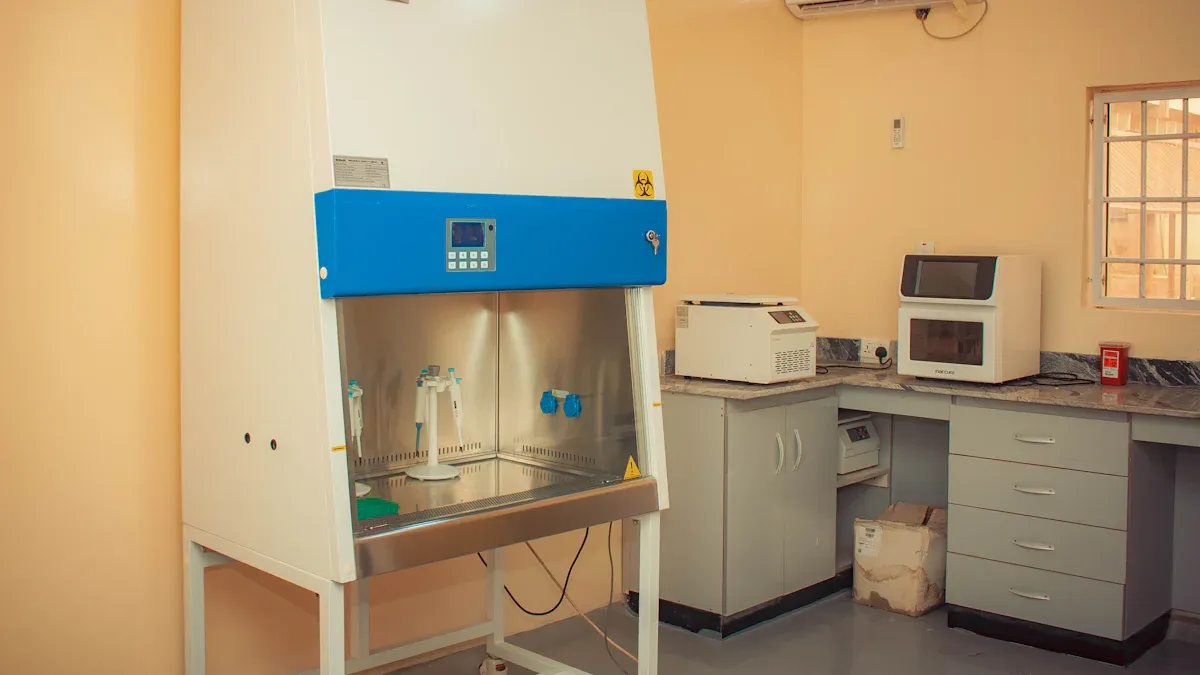
Your laboratory safety depends on proper chemical storage. You must use a specialized corrosive cabinet for hazardous chemicals. A standard cabinet cannot offer protection from corrosive acid hazards. These corrosive chemicals, like hydrochloric acid and sulfuric acid, cause severe burns and damage. A proper corrosive cabinet is engineered with corrosion-resistant materials and safety features for containment. Understanding these construction standards is crucial for the protection of your laboratory. The integrity of your laboratory and its personnel relies on the right storage for every corrosive acid.
Hydrochloric acid is a clear, colorless, and highly corrosive substance. Sulfuric acid is also a highly corrosive substance that can cause severe chemical and thermal burns upon skin contact.
Improper storage of hazardous materials leads to significant risks.

Your grasp of acid cabinet construction and materials: why specialized storage matters ensures a safer workspace.
Acid Cabinet Construction and Materials: Why Specialized Storage Matters

You must understand the materials that make a safe corrosive cabinet. The right material choice protects your team and your facility from dangerous chemical reactions. Your knowledge of acid cabinet construction and materials: why specialized storage matters is the first line of defense in your laboratory. The material directly impacts the cabinet’s ability to contain corrosive chemicals safely.
Polyethylene (HDPE): The Gold Standard for Corrosives
When you store highly corrosive chemicals, you should choose High-Density Polyethylene (HDPE). This material provides unmatched resistance to harsh substances. HDPE is a seamless, molded plastic, which means there are no joints or welds that can fail or leak. This construction makes it an ideal choice for a corrosive cabinet in your laboratory.
The unique molecular properties of HDPE give it superior strength against corrosive acid attacks.
- High Crystallinity: Its polymer chains pack together tightly. This creates strong forces that boost its chemical resistance.
- Linear Molecular Structure: This structure gives HDPE its stiffness and strength, helping it stand up to aggressive chemicals.
Pro Tip: HDPE cabinets are the gold standard for storing strong acids. They show excellent resistance to sulfuric acid and nitric acid at temperatures up to 60°C (140°F). This makes them a reliable storage solution for some of the most challenging substances.
Your choice of an HDPE corrosive cabinet ensures maximum protection against leaks and degradation from the most potent corrosive materials.
Powder-Coated Steel: Balancing Corrosion and Fire Resistance
Sometimes, your storage needs involve both corrosive and flammable materials. In these cases, you might consider powder-coated steel chemical storage cabinets. These cabinets offer a balance of fire safety and moderate corrosion resistance. The powder-coating process is key to their performance. This process applies electrostatically charged polymer particles to the steel. The particles then cure into a tough, uniform finish that seals the metal against moisture and chemicals.
The application involves several critical steps:
- Pretreatment: You first clean the steel to remove all contaminants like oil and rust.
- Drying: The cabinet is dried completely in a low-temperature oven.
- Powder Application: An electrostatic process applies an even layer of charged powder to the grounded cabinet.
- Curing: The cabinet enters a high-temperature oven where the powder melts and cross-links, forming a durable, protective skin.
This finish improves the steel’s ability to handle a corrosive environment. However, it is important to know its limitations. Powder-coated steel is not suitable for highly aggressive acids.
- Do not store sulfuric acid in these cabinets.
- Do not store nitric acid in these cabinets.
- Do not store hydrochloric acid in these cabinets.
For fire safety, these cabinets excel. They often have a higher fire rating than plastic models, similar to standard flammable liquid storage cabinets. Understanding acid cabinet construction and materials: why specialized storage matters helps you select the right cabinet for every hazard.
| Material | Typical Fire Rating |
|---|---|
| Powder-Coated Steel | Class A |
| Solid Plastic (HDPE) | Class B / Self-Extinguishing |
Why Standard Steel Cabinets Fail
You should never use a standard, unprotected steel cabinet for acid storage. Standard metal cabinets are not built for a corrosive environment. Corrosive substances will damage unprotected steel. This damage leads to cabinet failure and dangerous leaks. The fumes from a single spilled drop of acid can start a chemical reaction that eats through the metal over time. This slow degradation compromises the cabinet’s structure, putting your laboratory at risk. This failure highlights why your understanding of acid cabinet construction and materials: why specialized storage matters is critical for overall safety. Proper storage is a fundamental part of laboratory safety.
Engineered for Containment: Essential Safety Features
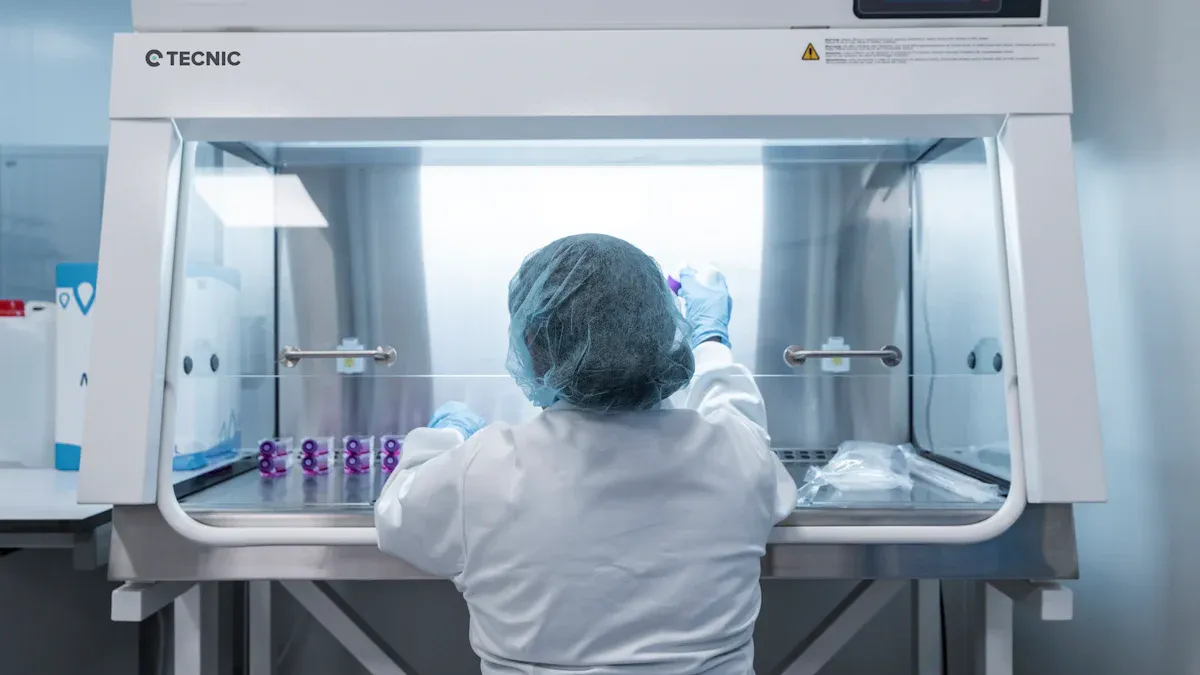
The materials of a corrosive cabinet are only part of the solution. You must also understand the specific safety features engineered for total containment. These features work together to prevent accidents and protect your laboratory. Your choice of cabinet should include these essential design elements for maximum protection.
Integrated Leak-Proof Sumps
You need a reliable plan for spills. An integrated, leak-proof sump at the bottom of your corrosive cabinet provides this critical safety net. This feature is a form of secondary containment. It is designed to catch and hold any drips or leaks from the containers you store. This built-in spill containment prevents a corrosive acid from reaching your laboratory floor.
A common design specification for these sumps is a depth of at least two inches. This depth ensures the sump can hold a significant volume, giving you time to handle a spill safely.
This leak-proof construction is your first line of defense against a major incident. It contains the hazard at its source. This containment feature is vital for the overall safety of your facility and personnel. Proper secondary containment is a non-negotiable part of safe chemical storage.
Purpose-Built Shelving for Spill Control
The shelves inside your corrosive cabinet face constant exposure to harsh chemicals. You must ensure they can withstand this environment. Purpose-built shelving uses materials that resist degradation from corrosive substances. This is one of the most important safety features for long-term storage.
- Material Choice: Shelves are often made from or coated with polyethylene. This plastic material does not react with acid, which prevents the shelf from weakening over time. You will find that metal fasteners and supports are not used in their construction to avoid corrosion.
- Load Capacity: You should also consider the weight of your chemicals. These specialized shelves typically support a load of up to 30 kg (about 66 pounds), ensuring they can handle full containers without risk of collapse.
Using the right shelving provides another layer of protection. It ensures the structural integrity of your storage system and prevents accidents caused by shelf failure.
Venting for Fume Management
Corrosive chemicals release fumes that can be just as dangerous as the liquids themselves. These fumes can build up inside a cabinet. They create a hazardous breathing environment and can even corrode the cabinet from the inside out. Your corrosive cabinet should have vents to manage these fumes.
Venting allows you to connect the cabinet to an exhaust system. This system safely removes harmful acid vapors from the storage area and your laboratory.
- It improves air quality.
- It reduces the risk of inhaling toxic fumes.
- It helps extend the life of the cabinet by minimizing internal corrosion.
Proper fume management is a key component of chemical safety. It addresses the invisible threat that a corrosive acid poses, ensuring complete containment of the hazard.
Securing the Hazard: Door Integrity and Labeling
You must also consider the doors and labels on your corrosive cabinet. These components are active safety features. They work to contain hazards and communicate danger to everyone in your laboratory. Proper door function and clear labeling are essential for securing a corrosive acid.
Self-Closing Door Mechanisms
You should choose a cabinet with self-closing doors for enhanced safety. These doors automatically shut and latch, which removes the risk of someone forgetting to close them. This feature is critical for containing corrosive fumes. In a fire, special fusible links on the doors melt at 165°F (74°C). This action causes the doors to close automatically, securing the contents during an emergency.
Many fire codes now mandate this feature for chemical storage. You should always check local rules, but major safety standards require them.
Specific codes mandate self-closing doors for new cabinets:
- NFPA 30 requires new cabinets to have self-closing doors.
- NFPA 1 and the IFC state that doors must be self-closing and have a latching device.
Three-Point Locking Systems
A strong lock keeps your chemicals secure. A three-point stainless steel bullet latching system provides maximum security for your corrosive cabinet. This mechanism secures the door at the top, bottom, and center. This complete seal is vital. It prevents the door from warping, which could allow harmful corrosive fumes to escape. The system also prevents unauthorized personnel from accessing the dangerous acid inside. This robust locking feature ensures the cabinet remains tightly sealed, even under stress.
Mandated “CORROSIVE” Labeling
Clear communication is a simple but powerful safety tool. Your corrosive cabinet must have large, easy-to-read labels. You need a prominent “CORROSIVE” warning on the exterior. This label immediately alerts personnel and first responders to the specific danger. It ensures everyone understands the contents without needing to open the doors. This simple visual cue helps prevent accidental exposure and ensures people handle the cabinet with the correct level of caution. Proper labeling is a non-negotiable part of storing any corrosive acid.
The Role of Chemical Storage Cabinets in Laboratory Safety
Your chemical storage cabinets are a cornerstone of laboratory safety. You must ensure they meet strict safety regulations to provide proper containment and protection. Following established standards is not optional; it is a fundamental requirement for a safe laboratory environment. These rules protect your team from the hazards of corrosive chemicals.
Meeting OSHA and NFPA Regulations
You must follow regulations from organizations like OSHA and the National Fire Protection Association (NFPA). These groups set the standards for the safe storage of hazardous chemicals. For example, NFPA 400 provides specific guidance for corrosive materials. Your compliance with these regulations is essential for overall laboratory safety.
The NFPA 400 Hazardous Materials Code governs the storage of corrosive solids and liquids. However, you should know its specific applications:
- It applies to the storage, use, and handling of most corrosive chemicals in your laboratory.
- It does not apply to corrosive materials in facility emergency power batteries.
- It also does not apply to corrosive products sold for household use.
Following these safety protocols ensures your storage practices meet legal requirements and provide maximum protection. Your regular inspections should confirm ongoing compliance.
The Assurance of FM and UL Certification
You can trust cabinets with certifications from Factory Mutual (FM) or Underwriters Laboratories (UL). These labels mean the cabinet has passed rigorous third-party testing. For instance, flammable liquid storage cabinets must meet UL 1275 standards. These standards require specific construction features like double-wall steel and a leak-proof sump for secondary containment. A permanent label on the cabinet confirms its compliance. Choosing a certified corrosive cabinet gives you confidence that it meets high safety standards for the storage of acid and other chemicals.
The Risks of Non-Compliant Storage
Using non-compliant storage creates serious risks in your laboratory. It endangers personnel and exposes your facility to heavy fines from OSHA. A simple violation, like using a cabinet with a broken lock, can cost thousands of dollars. Improper storage of a corrosive acid can lead to even larger penalties. These OSHA fines underscore the importance of proper chemical storage. Ignoring safety protocols and standards puts your entire operation at risk.

Your adherence to safety data sheet guidelines, regular inspections, and proper equipment are your best defense against these costly consequences.
The safety of your corrosive cabinet is a direct result of its design. Deliberate material choices and engineered safety features provide critical protection and containment for any corrosive acid. Your understanding of acid cabinet construction and materials: why specialized storage matters is fundamental to overall laboratory safety.
You must audit your current chemical storage solutions. This review ensures your laboratory meets all safety standards for corrosive chemicals.
Safety Audit Essentials:
- Evaluate your current chemical storage and labeling for every corrosive acid.
- Confirm risk assessments are complete for all corrosive chemicals.
- Verify staff training for handling a corrosive acid spill.
Invest in specialized, compliant chemical storage cabinets. This action ensures workplace safety, prevents costly accidents with corrosive acid, and maintains regulatory compliance for your laboratory storage. This protection is vital for your laboratory.
FAQ
Can I store acids and bases together?
You should not store acids and bases together. Mixing them can cause a violent chemical reaction. You must keep them in separate, dedicated cabinets to prevent dangerous accidents and ensure the safety of your laboratory personnel.
How often should I inspect my acid cabinet?
You should inspect your acid cabinets at least once a week. Look for any signs of corrosion, damage, or spills. You need to confirm the doors close and latch correctly. Regular checks help you maintain a safe storage environment.
What is the difference between an acid cabinet and a flammable cabinet?
Acid cabinets use corrosion-resistant materials like polyethylene to prevent chemical degradation. In contrast, flammable liquid storage cabinets use double-wall steel construction for fire protection. You must use the correct cabinet for each chemical hazard.
Do I need to vent my acid cabinet?
Venting is highly recommended for fume management. It removes harmful vapors from the cabinet, which protects you from breathing in toxic fumes. You should connect the cabinet to a proper laboratory exhaust system for maximum safety.


