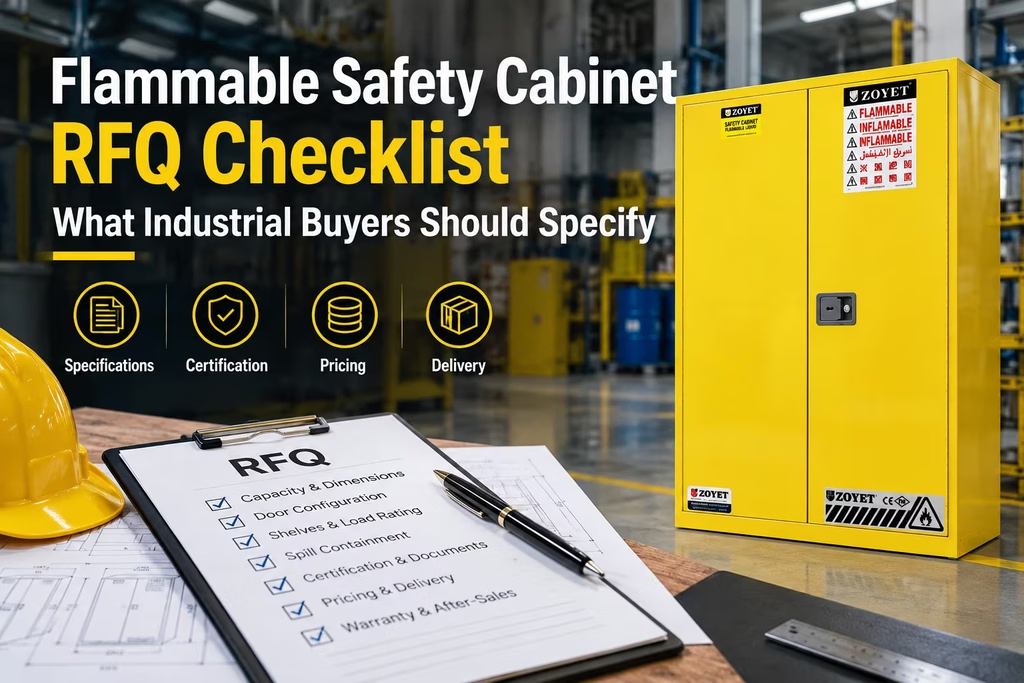
You encounter standards every day, but you may wonder, what is an ansi standard? understanding core principles and applications helps you see their importance. When you ask, what is an ansi standard? understanding core principles and applications, you learn how safety and quality improve. Imagine you buy a product and ask, what is an ansi standard? understanding core principles and applications. You see that ansi standards guide companies. If you work in an industry, you might ask, what is an ansi standard? understanding core principles and applications. With ansi standards, you trust products more. Next time you hear, what is an ansi standard? understanding core principles and applications, you know it shapes your world.
Core Principles of ANSI Standards

ANSI Standards Development Process
You play a vital role in the world of standards when you understand how the American National Standards Institute shapes the rules that guide products and services. The ANSI standards development process follows a clear path. You see each step ensures fairness, quality, and global alignment. The table below shows how ANSI manages this process and why each step matters:
| Step in the Standards Process | What ANSI Does | Why It Matters |
|---|---|---|
| Standards creation | Accredits organizations that develop standards | Ensures the process is fair, open, and consensus-based |
| National coordination | Approves and publishes U.S. standards | Provides consistency across industries |
| Global representation | Represents U.S. in ISO and IEC | Aligns U.S. standards with global frameworks |
| Conformity assessment | Accredits certifiers and testing bodies | Ensures products and people meet high-quality benchmarks |
| Trade facilitation | Reduces technical barriers in global markets | Helps U.S. businesses compete internationally |
| Innovation support | Develops standards for emerging tech | Accelerates safe adoption of new technologies |
You notice that ANSI does not create standards alone. Instead, it accredits organizations that develop voluntary consensus standards. This approach allows you and other stakeholders to participate in the process. You benefit from standards that reflect a wide range of views and needs. ANSI also coordinates with international groups, so U.S. standards align with global practices. This helps you find products that work well across borders and supports businesses in global trade.
Accreditation and ANSI Essential Requirements
You may wonder how organizations achieve ANSI accreditation. To earn this recognition, organizations must meet strict criteria. The table below outlines these requirements:
| Criteria | Description |
|---|---|
| Consistent quality and performance | Organizations must ensure their products and services maintain a high standard of quality. |
| Standardized terminology | There must be uniformity in the terminology used, especially regarding safety and compliance. |
| Uniform testing methods | All products should undergo the same testing procedures to ensure reliability and validity. |
You see that ANSI accreditation means more than just a label. It shows that an organization follows clear rules for quality, language, and testing. You can trust products and services that meet these standards.
To maintain accreditation, organizations must follow ANSI Essential Requirements. You find that ANSI uses a detailed process to check compliance:
- You submit a written application with your standards development procedures.
- ANSI publishes a notice for public comment.
- The ExSC reviews your application and any comments before making a decision.
- ANSI conducts ongoing audits to ensure you follow the Essential Requirements.
- You must show compliance to keep your accreditation.
- If you change your procedures, you must announce them and may need another review.
- ANSI can suspend or withdraw accreditation if you do not maintain compliance.
- The ANSI Audit Director arranges audits at set intervals and reports findings to the ExSC.
- Every five years, you must submit your procedures for review.
This process gives you confidence that ANSI standards and certification programs remain trustworthy and up to date.
Maintenance and Updates of Standards
You rely on ANSI standards to stay current and effective. ANSI uses a structured schedule to review and update standards. The table below explains how often ANSI reviews and updates its standards:
| Review/Update Process | Frequency |
|---|---|
| Reaffirmation, revision, or withdrawal | Within 5 years after approval |
| Maintenance under periodic option | Not beyond 10 years from approval |
| Continuous maintenance | Documented schedule for consideration and action |
| Expiration of approval | Automatically expires on the 10th anniversary of approval |
You see that ANSI does not let standards become outdated. Every standard must be reaffirmed, revised, or withdrawn within five years. If a standard uses the periodic option, it cannot go more than ten years without review. Some standards follow a continuous maintenance schedule, which means ANSI reviews them regularly. If a standard reaches its tenth anniversary without action, it expires automatically.
You benefit from this system because it keeps standards relevant. You know that ANSI standards reflect the latest technology, safety practices, and industry needs. This approach also supports certification programs, which depend on current standards to ensure quality and safety.
Tip: When you use products or services certified to ANSI standards, you can feel confident that they meet the latest requirements for safety and performance.
You now understand that ANSI, as the American National Standards Institute, sets the foundation for quality, safety, and innovation. You see how the development process, accreditation, and regular updates work together to protect your interests and support industry growth.
Importance and Benefits of ANSI Standards
Safety and Quality Assurance
You depend on ansi standards to keep you safe and ensure high quality in the products you use every day. The American National Standards Institute sets clear rules for product safety standards, which help manufacturers create reliable and safe items. When you see a product that meets ansi requirements, you know it has passed strict tests for safety and quality.
- Transparency in decision-making and regular updates build trust among everyone involved.
- Clear roles and responsibilities make sure each person knows what to do, which increases accountability.
- Streamlined operations help companies work more efficiently, which is important for safety and quality in manufacturing.
You can see how ansi standards reduce workplace accidents. The table below shows how these standards make a difference:
| Evidence | Description |
|---|---|
| ANSI standards establish minimum performance levels for PPE | This helps reduce accidents across various industries by ensuring that protective equipment meets safety requirements. |
| ANSI provides a common language for product compatibility | This ensures that different products can be used together safely, reducing the risk of accidents. |
| ANSI standards drive the development of PPE | They guide manufacturers in creating effective safety gear, which is crucial for protecting workers. |
| The ANSI ISEA 138 impact standard for gloves | This standard allows for better selection of gloves based on impact protection, reducing hand injuries. |
| ASSP recommends using ANSI standards for PPE | This endorsement highlights the importance of adhering to these standards for workplace safety. |
Supporting Innovation and Efficiency
You benefit from ansi standards because they support new ideas and make work more efficient. The American National Standards Institute leads efforts to create open and interoperable networks. This approach helps technology grow and reach more people. For example, standardization in additive manufacturing (AM) helps companies qualify new materials and strengthen supply chains. It also allows technology to move between industries, which speeds up progress.
- Standardization ensures consistent quality and reliable performance across different technologies and processes.
- It helps companies share new methods and tools, making it easier for everyone to improve.
You see that ansi standards also support environmental sustainability. They set rules for product characteristics, manufacturing practices, and recycling. These standards encourage companies to act responsibly and develop new, sustainable technologies.
Promoting Fair Competition
You find that ansi standards help create a level playing field for businesses. By setting clear rules for interoperability, quality, and safety, ansi prevents any one company from controlling the market. This fairness helps you get better products and services at reasonable prices.
ANSI standards also play a role in stopping monopolistic practices. International cooperation, like the efforts in global AI governance, ensures that no single group can dominate the market. This approach encourages inclusivity and fairness, so everyone has a chance to succeed.
The economic impact of ansi standards is clear. The table below shows how these standards help businesses and markets:
| Economic Impact | Description |
|---|---|
| Enhancing Competitiveness | ANSI standards help businesses meet market demands, thus improving their competitive edge. |
| Improving Efficiency | Standardization leads to streamlined processes, reducing costs and increasing productivity. |
| Fostering Innovation | ANSI’s role in standardization supports the development of new technologies and solutions, driving innovation across sectors. |
When you use products that follow ansi standards, you support a system that values safety, quality, innovation, and fairness.
Real-World Applications of ANSI Standards

Impact on Businesses and Industry
You see the influence of ansi standards in almost every business. Companies use these standards to improve quality and safety. When you follow ansi, you help your business grow faster and compete better. Many companies join the standards development process. This lets you shape product requirements and match what the market wants. You also use standards to design products and check their quality through recognized systems. Treating standardization as a business tool helps you save money and reach new markets. For example, some companies have saved millions by using standards to improve their work.
| Impact Type | Description |
|---|---|
| Accelerating market growth | Case studies demonstrate the economic impacts of standards across multiple sectors. |
| Increasing competitiveness | Customizable elevator pitches help executives understand the business advantages of standards participation. |
| Supporting a framework for success | White papers and economic research show how standards reduce barriers to trade, improve sustainability, reduce costs, and assure safety. |
You can see that standards help you lower costs, boost innovation, and make your business stronger.
- Participate in standards development to influence product requirements.
- Rely on standards for product design and testing.
- Use standardization as a tool for long-term success.
Role in Government Regulations
You notice that ansi standards often become part of government rules. While most standards are voluntary, they can become mandatory if a law or regulation mentions them. When the government includes ansi standards in regulations, you must follow them by law. This makes sure that products and services meet important safety and quality levels. You help protect the public and support fair competition when you follow these rules.
- ANSI standards are voluntary but can become mandatory in laws.
- Government can require compliance with specific standards.
- Following these standards becomes a legal duty when referenced in regulations.
Benefits for Consumers
You benefit from ansi standards every day. These standards make sure that products are safe, reliable, and high in quality. When you buy something, you want to trust that it will work well and not cause harm. Standards lower the risk of product failures and accidents. This builds your trust and satisfaction. Many people look for certification as a sign of quality. Companies that follow ansi standards attract more customers and offer better choices.
| Consumer Benefit | Description |
|---|---|
| Lower risk of failures | Businesses that follow standards reduce the chance of defects and accidents. |
| Higher trust and satisfaction | Standards boost consumer confidence in products and services. |
| Ethical and reliable products | Companies that use standards provide safer and more reliable items. |
You can feel confident when you see that a product meets ansi standards. These standards support public health and safety. They also help you make better choices when you shop.
Tip: Look for certification labels on products. These show that the item has passed strict product testing and meets important industry standards.
Everyday Uses of Standards
You may not realize it, but you use products that follow ansi standards every day. These standards help make your home safer and your life easier. When you plug in a lamp or make coffee in the morning, you benefit from rules that keep products reliable and safe.
Here are some examples of ansi standards in common household items:
| Standard | Description |
|---|---|
| ISO 20481:2008 | Makes sure coffee products have the right amount of caffeine by using special testing methods. |
| UL 1082 Ed. 6-2009 | Sets safety rules for electric coffee machines to prevent fires and overheating. |
| ASME A112.18.6/CSA B125.6-17-2017 | Sets requirements for flexible water connectors in plumbing to keep water flowing safely. |
| ANSI/NEMA WD 6 | Defines plug and outlet shapes so your devices work in any home across North America. |
| ANSI Z97.1-2015 (R2020) | Sets safety rules for glass in windows and doors to prevent dangerous shattering. |
You see these standards at work every time you use a kitchen appliance, turn on a light, or run water from a faucet.
- ansi standards make sure products meet the same quality every time you buy them.
- They help keep you safe by reducing risks like electrical shocks or broken glass.
- These rules also make it easy for you to use products from different brands together.
- ansi helps companies label products clearly, so you can find important information quickly.
- You can trust that products with ansi certification follow strict safety and performance rules.
Note: When you see a certification label, you know the product meets important ansi standards for safety and quality.
You rely on ansi and other standards to protect your family and make daily tasks simple. These rules shape the products you use, making your home a safer place.
You gain many benefits when you understand and apply standards. These rules help you reduce costs, improve safety, and make better decisions.
- You see safer machines and better training at work.
- You notice fewer product defects and higher customer satisfaction.
- You save time and resources by following clear guidelines.
Remember: Using standards helps you compete in the global market and keeps your work up to date.
FAQ
What does ANSI stand for?
ANSI stands for the American National Standards Institute. You see this group set rules for safety, quality, and performance in many products and services.
How do ANSI standards affect your daily life?
You use products that follow ANSI standards every day. These rules help keep your home safe, make devices work together, and ensure you get reliable items.
Are ANSI standards required by law?
Most ANSI standards are voluntary. Sometimes, the government includes them in laws or regulations. When this happens, you must follow them by law.
How can you tell if a product meets ANSI standards?
Look for certification labels or marks on products. These show you that the item passed strict tests and meets important ANSI requirements.
Who creates ANSI standards?
You can join industry groups, experts, and other stakeholders to help create ANSI standards. ANSI accredits these groups and makes sure the process is fair and open.